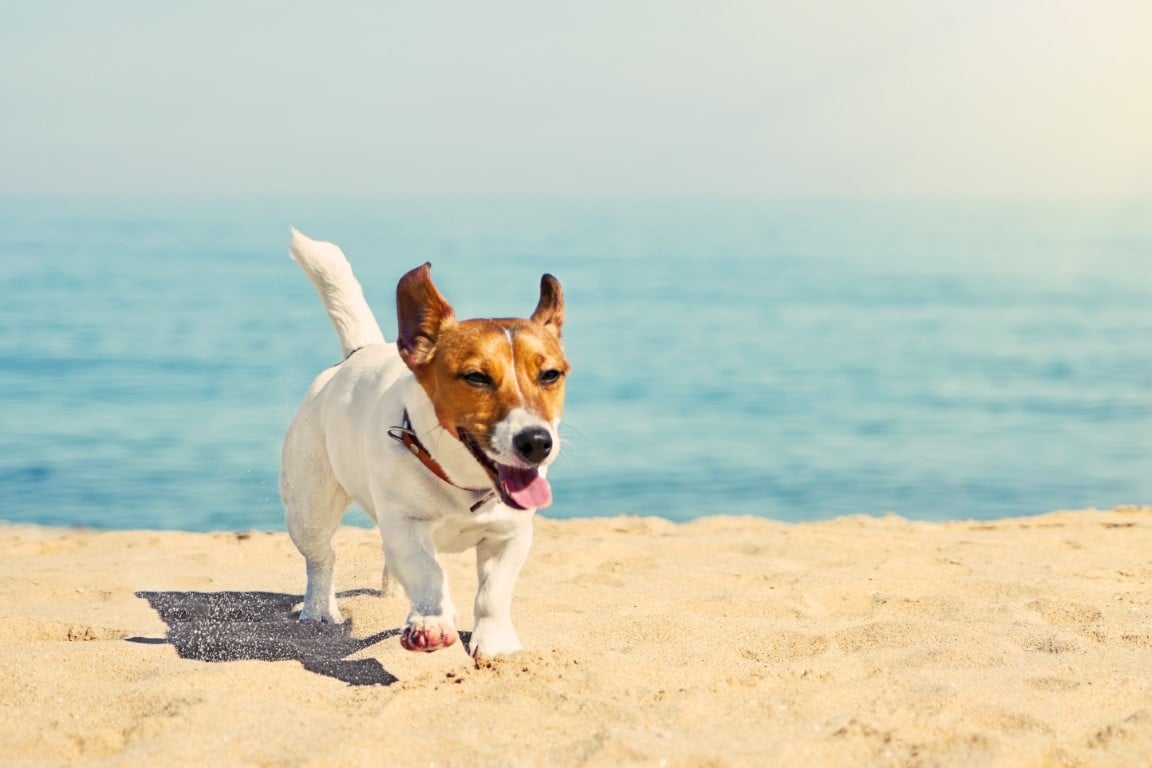
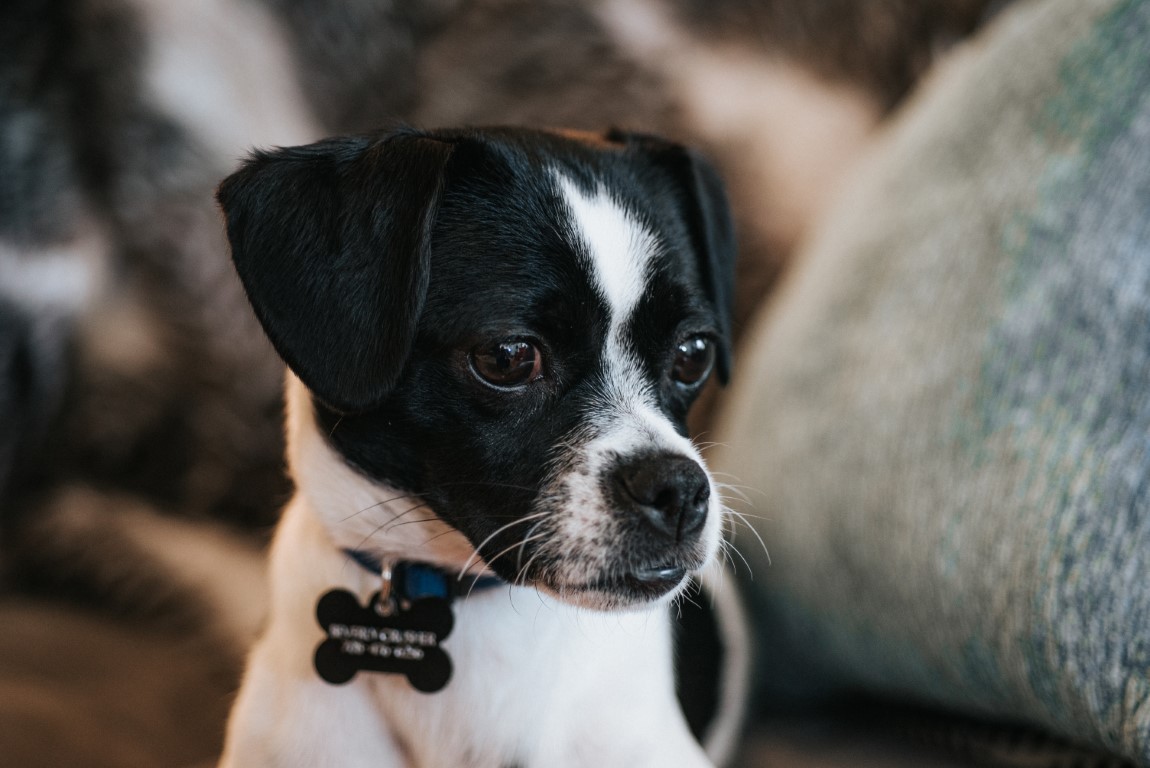
Introduction Small terriers pack a surprising amount of confidence into a compact body. They were designed to work, think independently, and react in an instant, which is why they often feel like dogs with an always on switch. If you love their boldness and comedy, it helps to understand what that personality was built for. Knowing their history and needs turns typical terrier challenges into manageable, even enjoyable, routines.
Origins and traditional jobs Many small terrier types developed in the British Isles and parts of Europe where farmers and tradespeople needed efficient pest control. These dogs were expected to hunt rats, dispatch vermin in barns, and go to ground after foxes or other small quarry. That background shaped the classic terrier traits: high prey drive, persistence, and a willingness to squeeze into tight spaces without waiting for permission. Even modern companion terriers often retain the instinct to chase, dig, and patrol. Their confidence is not random bravado; it is a working tool that once kept them safe in dark burrows and noisy stables.
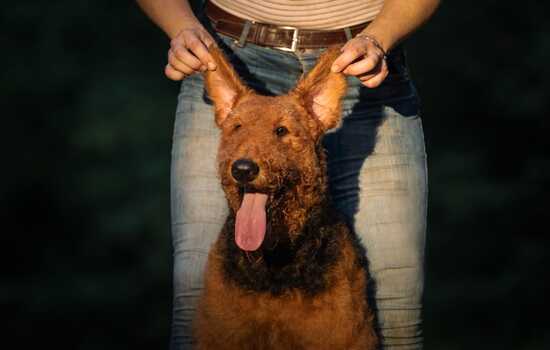
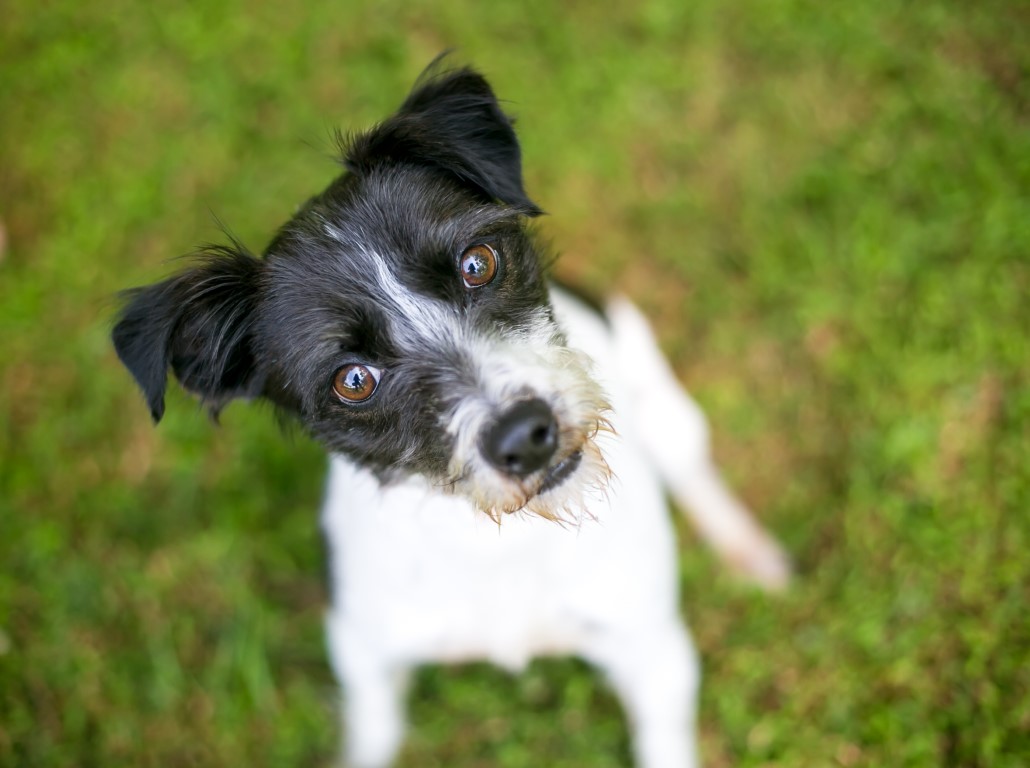
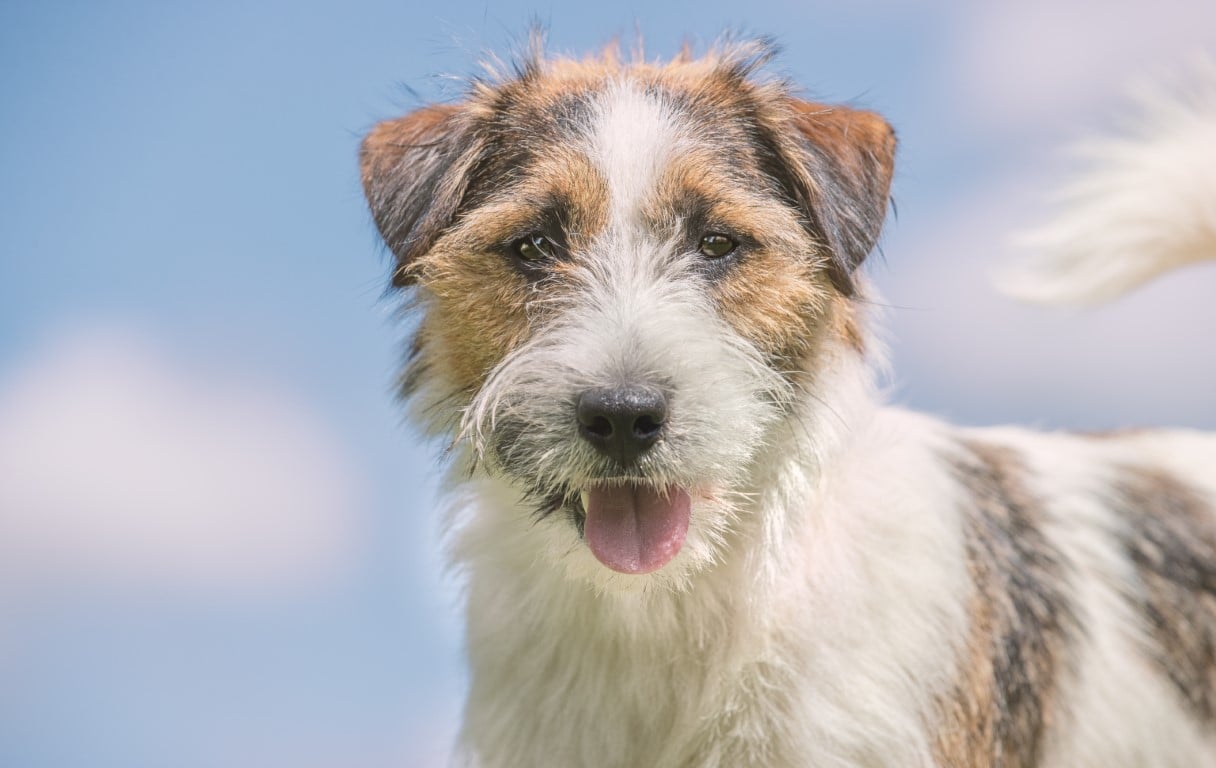
Coat types and practical grooming Small terriers come in several coat textures, commonly smooth, broken, or wire. Smooth coats are easy to maintain but still shed. Wire and broken coats may shed less but often need hand stripping or specialized grooming to keep the coat texture and skin healthy. Clipping a wire coat can soften it over time and may change how it repels dirt and moisture. Regardless of coat, terriers benefit from routine nail trims and dental care, because small dogs can be prone to dental crowding and tartar buildup.
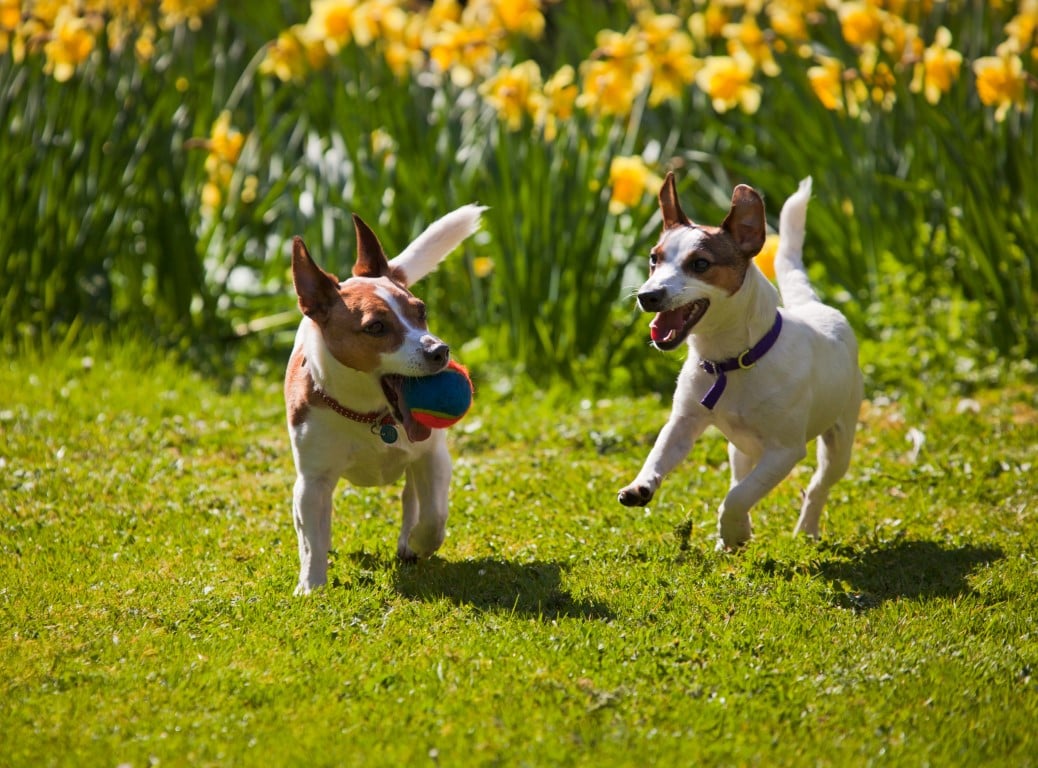
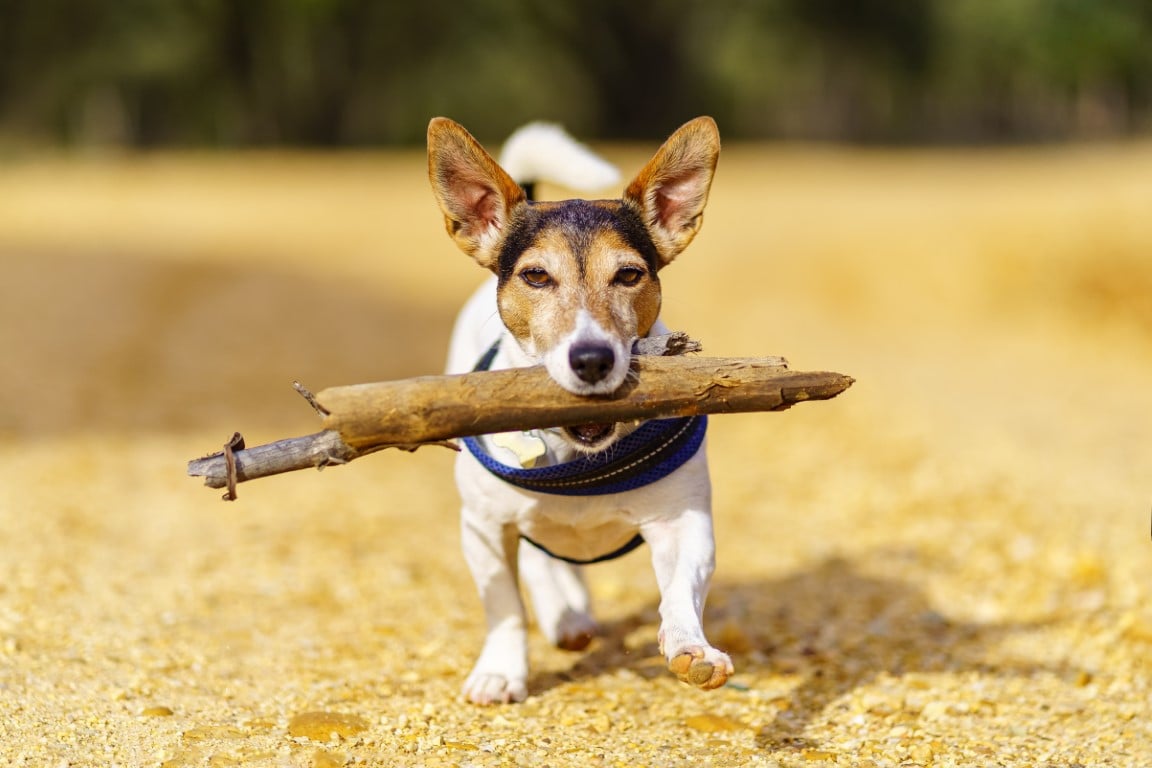
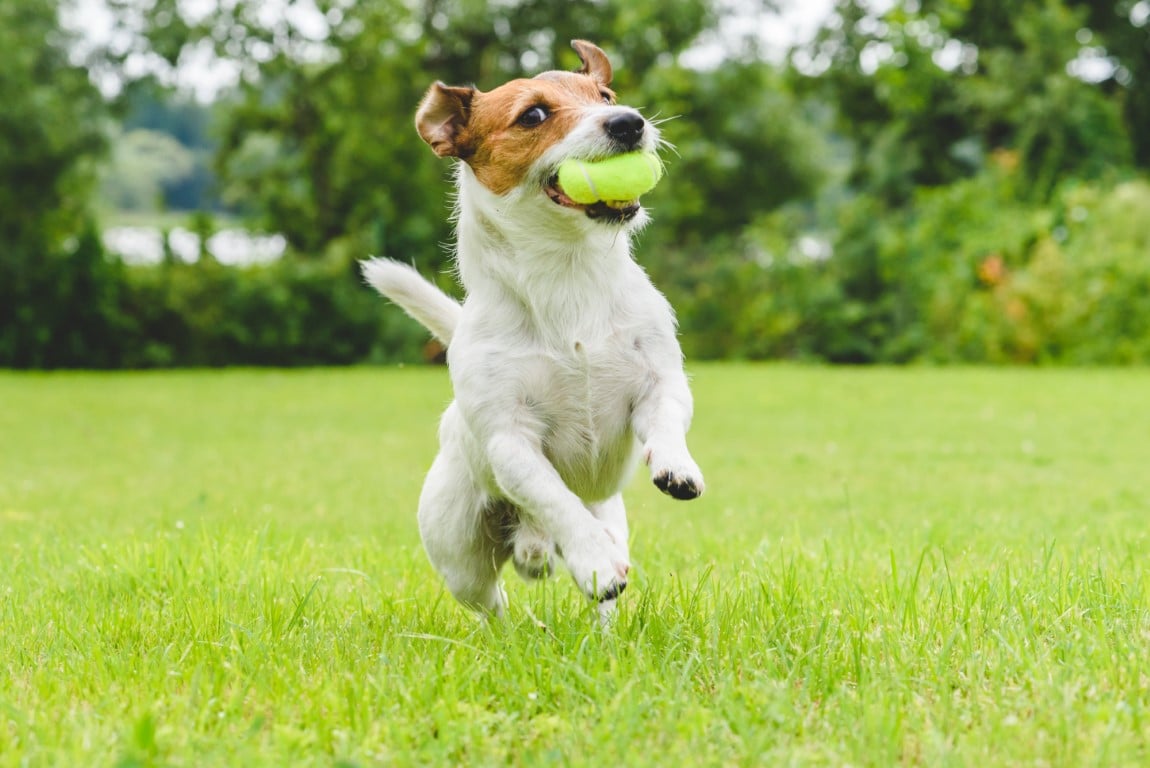
Exercise and enrichment for a busy brain A short walk around the block rarely satisfies a terrier built for action. They do best with a mix of physical exercise and problem solving. Brisk walks, structured play, and safe off leash running in secure areas are useful, but mental work is the real secret. Food puzzles, scent games, short training sessions, and learning tricks help drain the mental battery that otherwise powers barking, stealing socks, or redecorating the yard. Variety matters. A terrier that knows what is coming every day may invent its own entertainment.
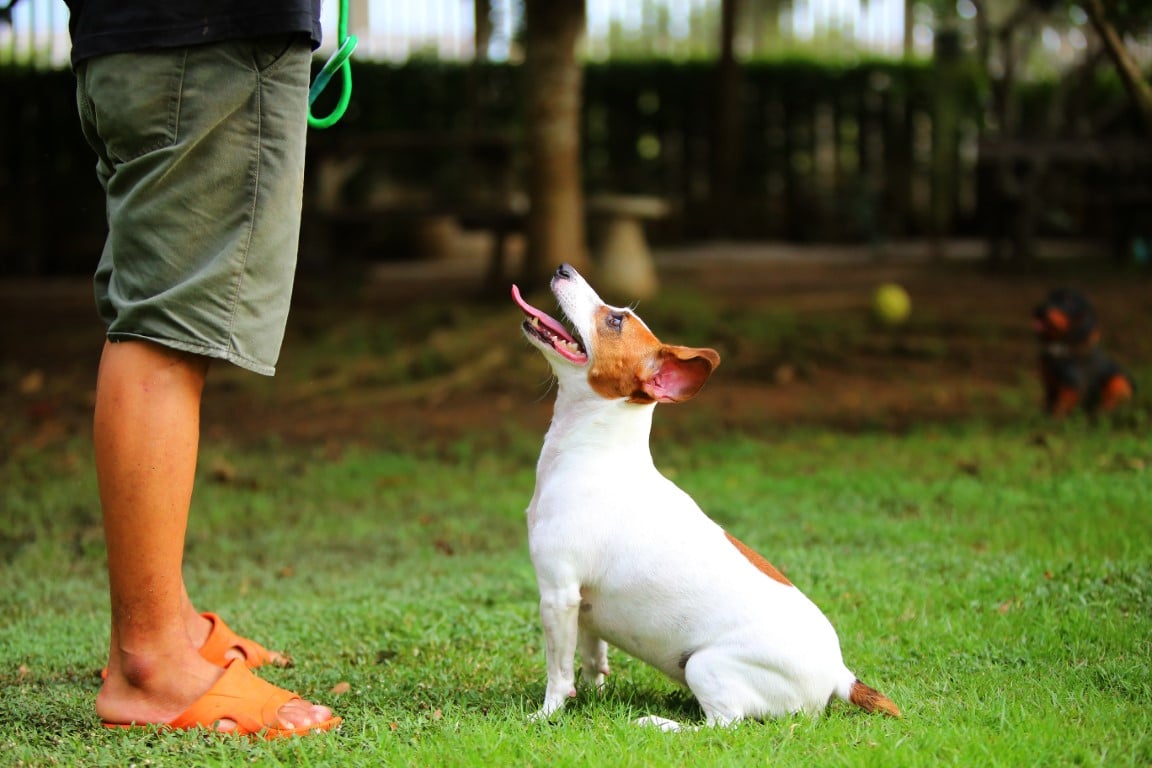
Training pitfalls and how to avoid them Terriers are quick learners, but they are also quick negotiators. Repeating cues louder usually does not help; it teaches them that the first request is optional. Clear, consistent rules and rewards that matter to the dog work better than long lectures. Keep sessions short and upbeat, and practice in easy environments before expecting reliability around distractions. Many terriers become experts at selective hearing when squirrels appear, so recall training should begin early and continue for life.
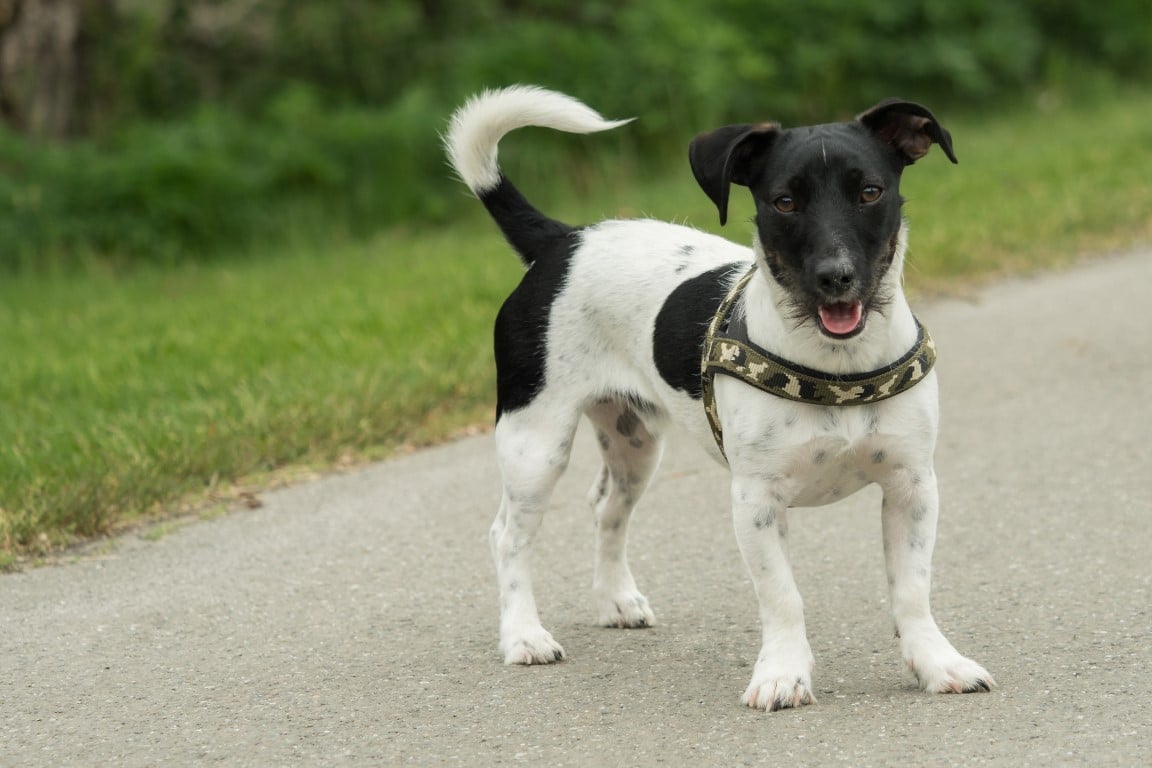
Socialization and managing the famous prey drive Good socialization means more than meeting many dogs. It includes calm exposure to people, surfaces, noises, handling, and everyday situations, so the dog learns to recover quickly. With prey drive, management is as important as training. Use a secure harness, practice emergency turns and rapid reward games, and avoid off leash areas that are not fully fenced. If the dog locks onto a moving target, do not yank or panic. Create distance, use a practiced cue, and reward the moment attention returns. For some individuals, a flirt pole or controlled chase game can provide an outlet, but it should be paired with rules like sit, wait, and release to build impulse control.
Conclusion Small terriers are pocket dynamos: brave, clever, and sometimes a little too sure of themselves. Their history as determined workers explains their speed, stubbornness, and intense curiosity. When owners match that drive with structured exercise, enrichment, and thoughtful training, these dogs become lively companions who are as capable as they are entertaining. The goal is not to dim the terrier spark, but to channel it so both human and dog can enjoy the ride.