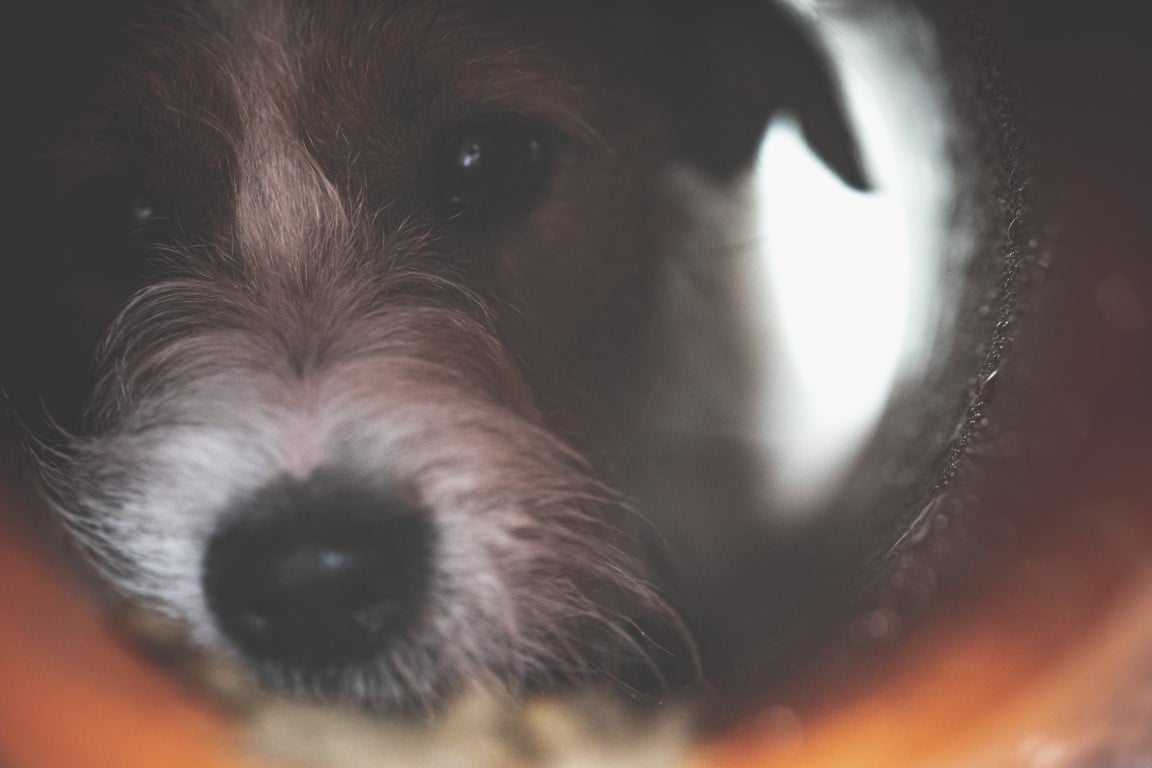
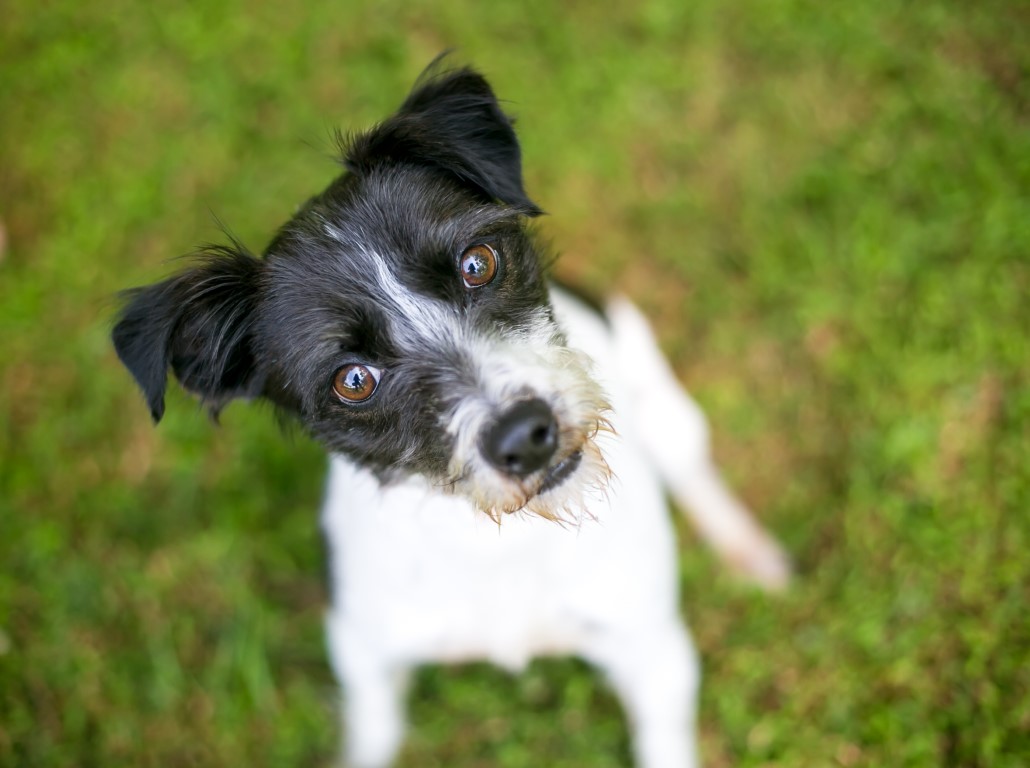
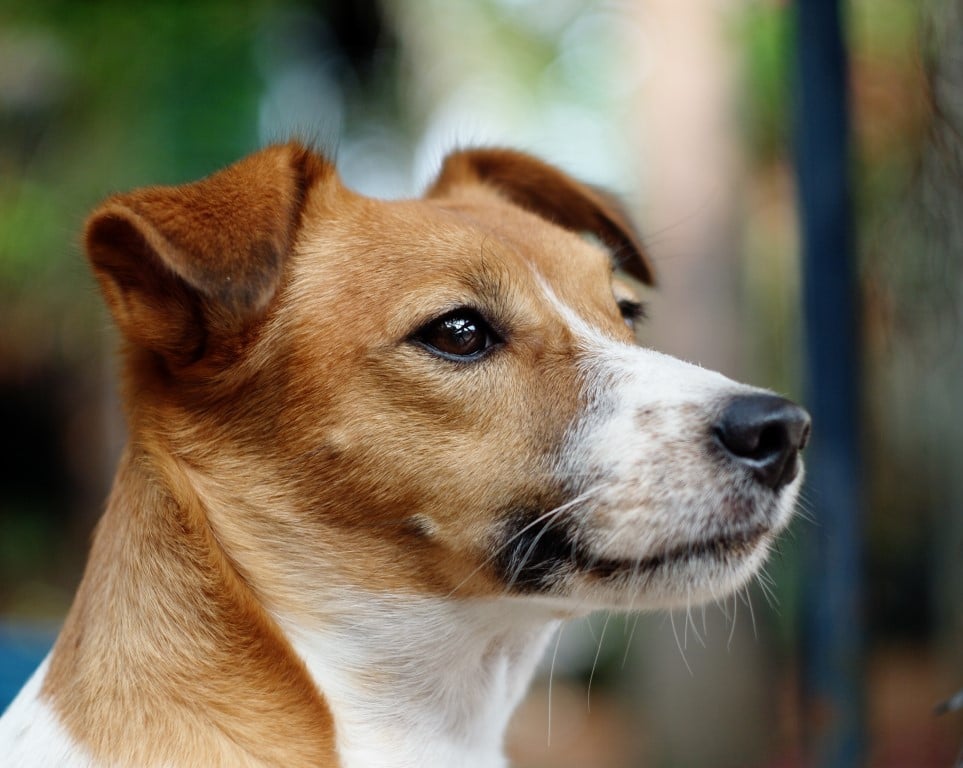

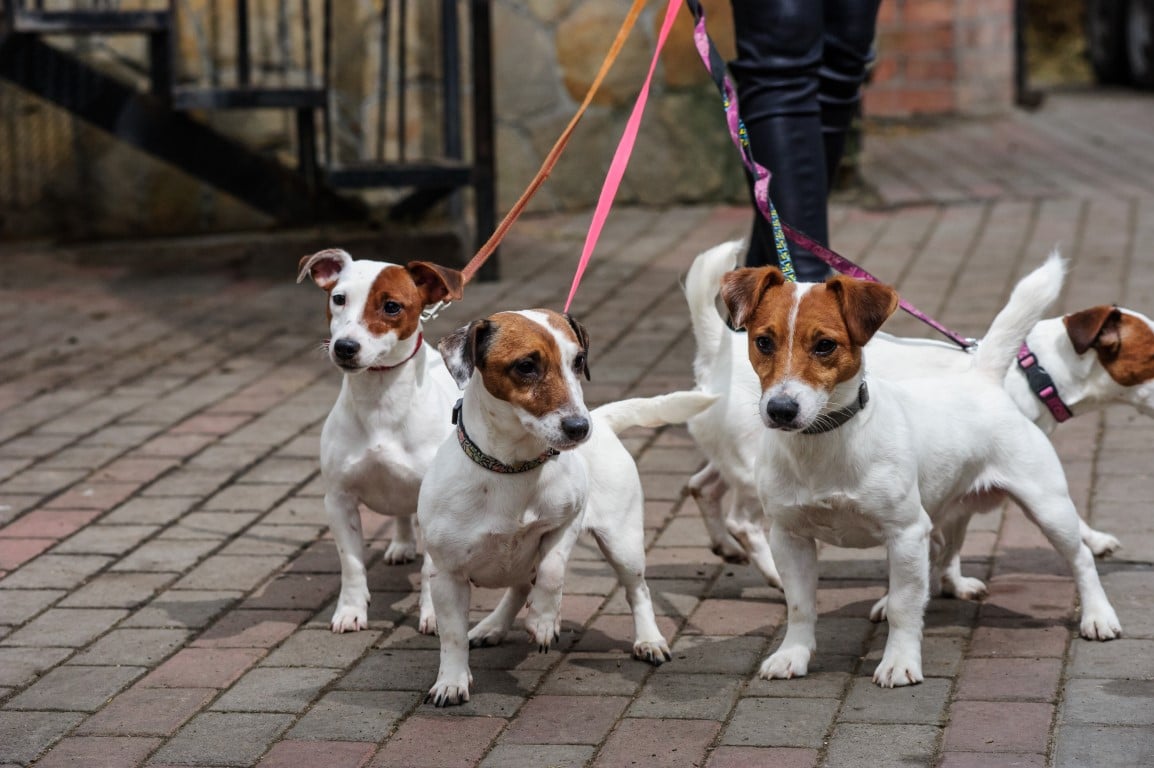
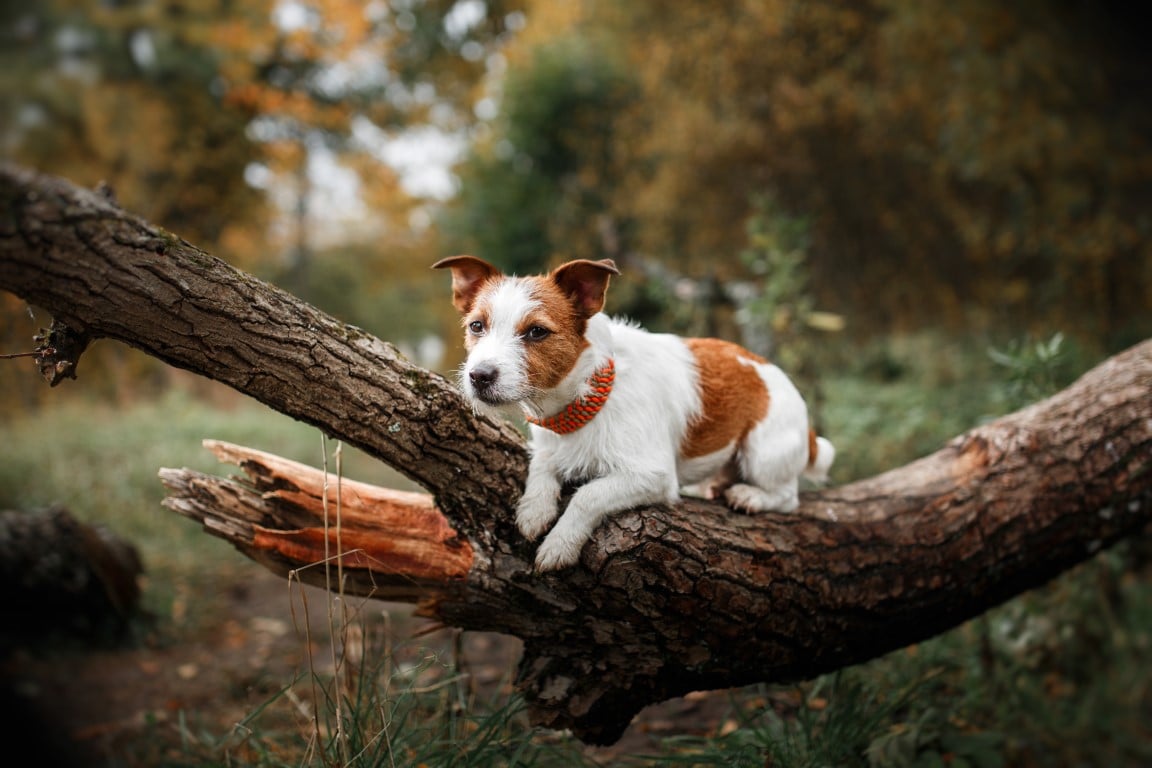
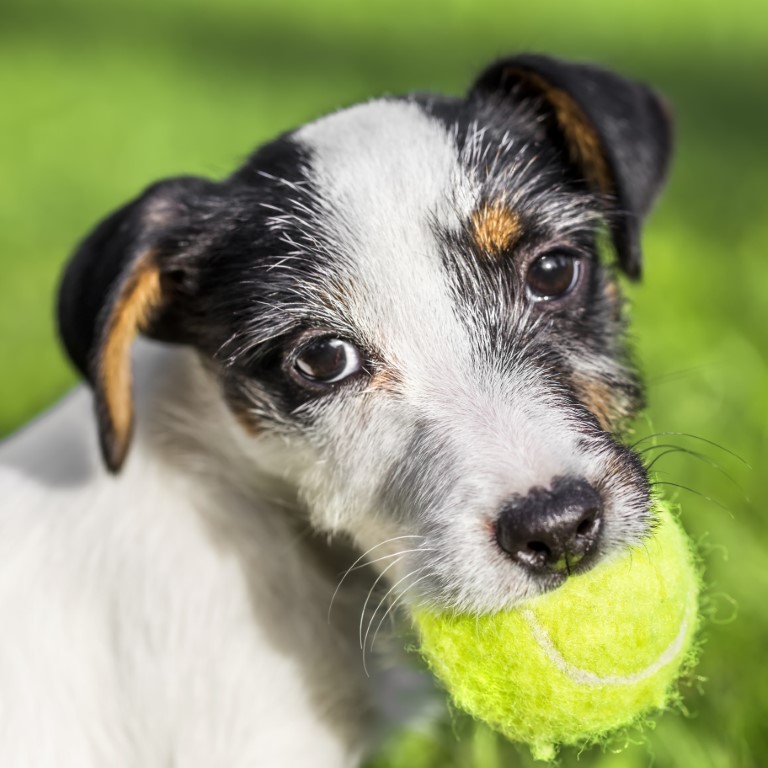
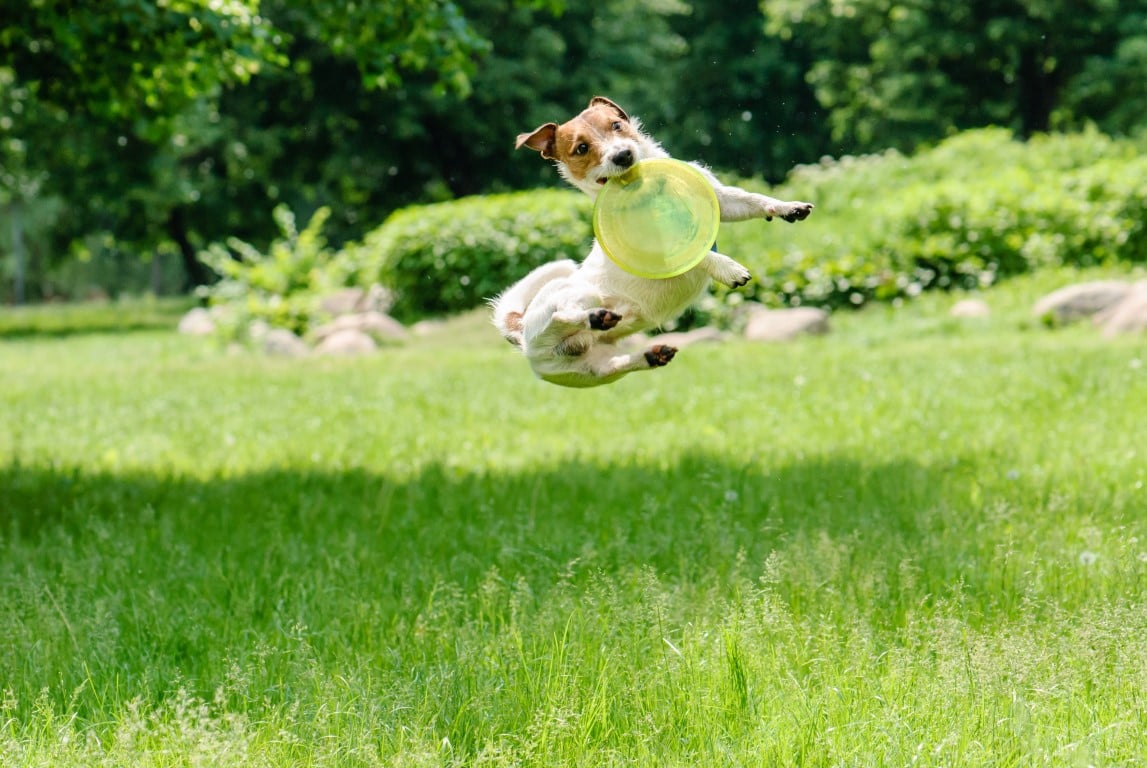
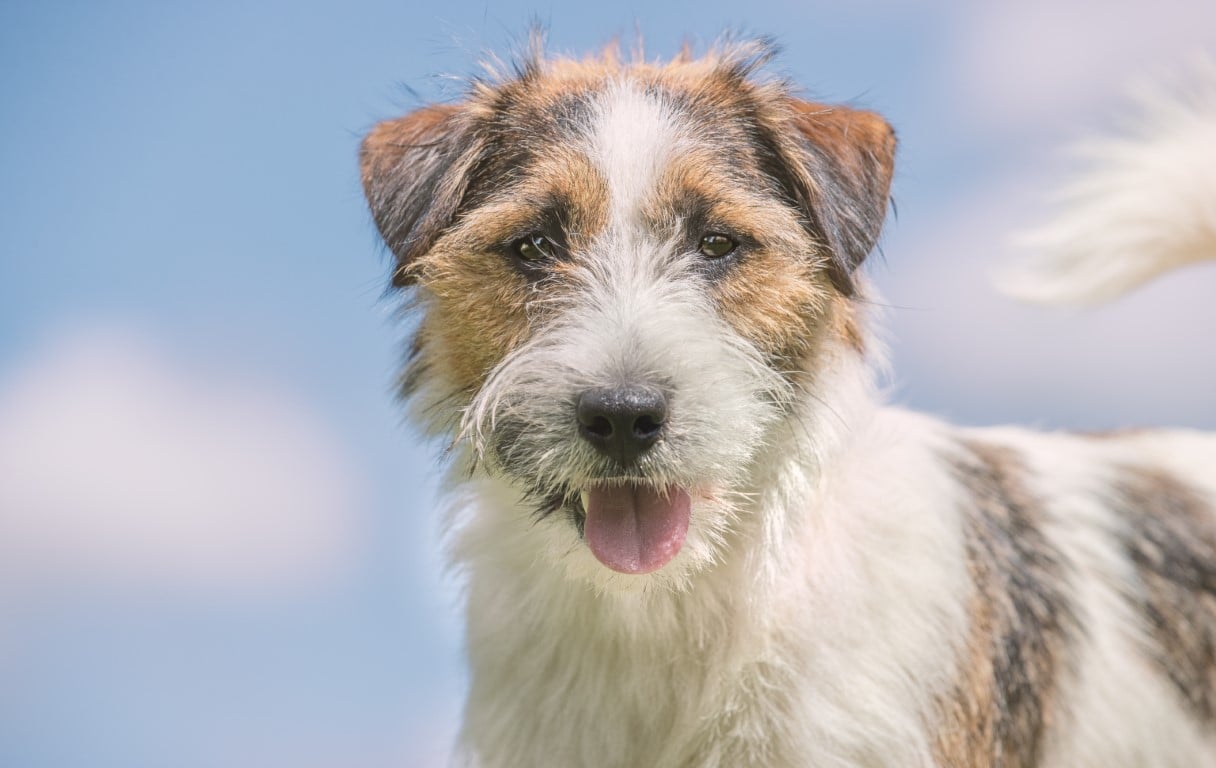

Introduction Some dogs seem to run on an internal motor, and few fit that description better than the small, spirited working terriers often nicknamed four legged spark plugs. Their compact size can fool people into expecting an easygoing lap dog, but their true identity is closer to an athlete with a job to do. Understanding where this kind of terrier came from and what it was designed to accomplish helps explain its speed, boldness, and problem solving style.
Origins and the job that shaped the breed Many classic terriers were developed in the British Isles to control vermin around farms, stables, and towns. Their purpose was practical: pursue rats and other small pests in tight spaces, dispatch them quickly, and keep going long after larger dogs would tire. That history selected for a particular package of traits: intense prey drive, quick reflexes, a willingness to squeeze into narrow places, and the confidence to confront animals that bite back.
Because the work demanded independence, these terriers were bred to make decisions without waiting for a handler. That is why they can seem clever and stubborn at the same time. They are not trying to be difficult; they are wired to solve problems on their own.
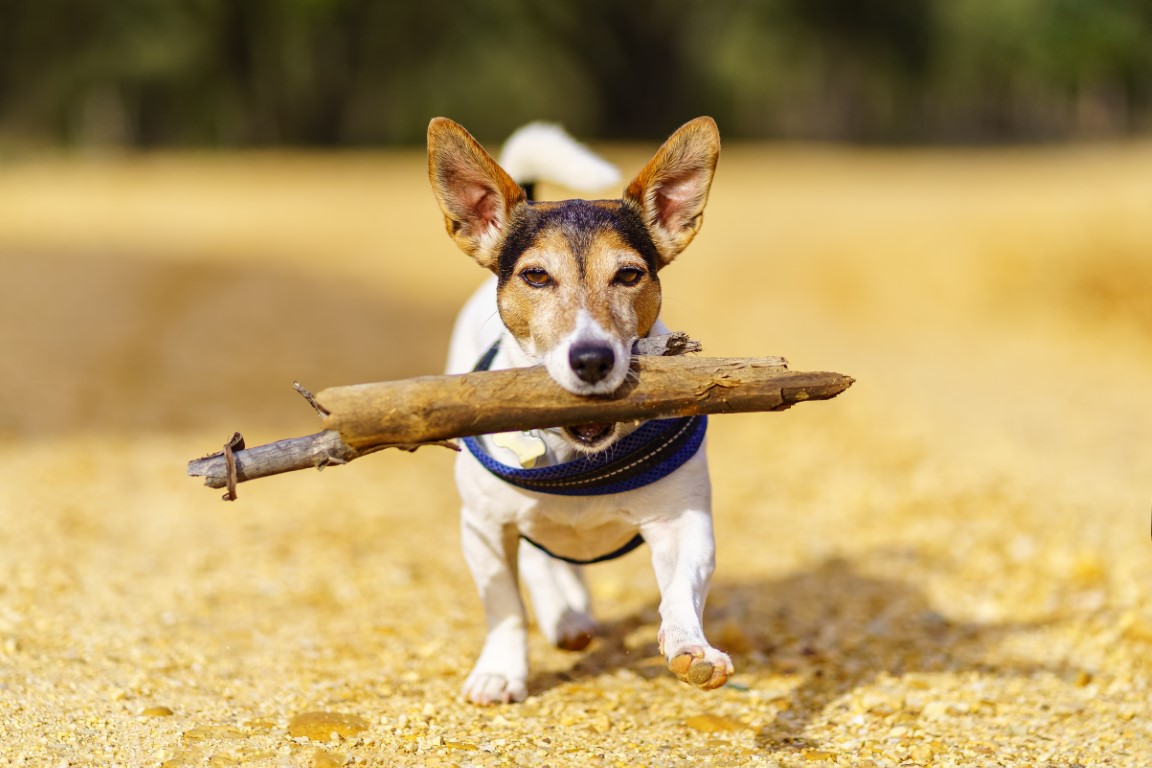
Trademark energy and what it really means High energy is not just a need for movement. It is also a need for engagement. A brisk walk may not be enough if the dog spends the rest of the day bored. These terriers tend to thrive on short, frequent bursts of activity: fast-paced games, training sessions, and puzzle style feeding that makes them think. Many owners notice that the dog is calmer after using its brain as well as its legs.
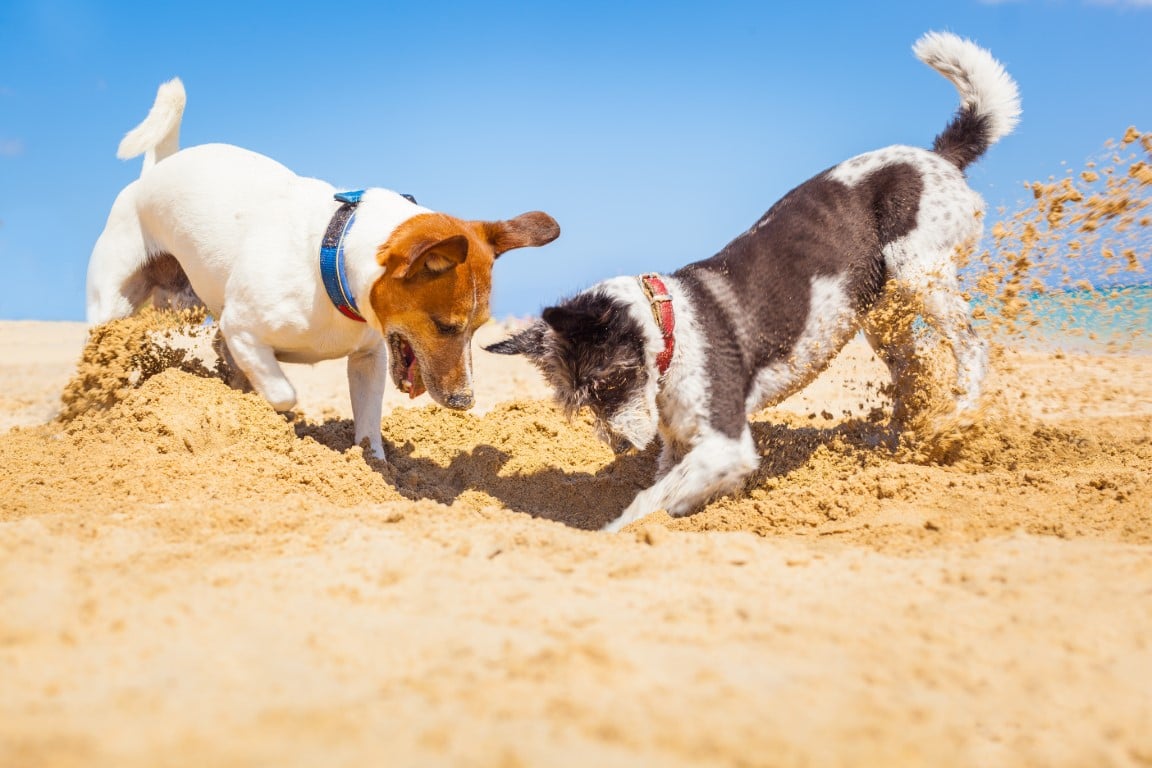
A common misconception is that a small dog requires less exercise. In reality, a compact, muscular terrier can have the stamina of a much larger animal. Without outlets, that energy often turns into digging, barking, chewing, or inventing its own games with household items.
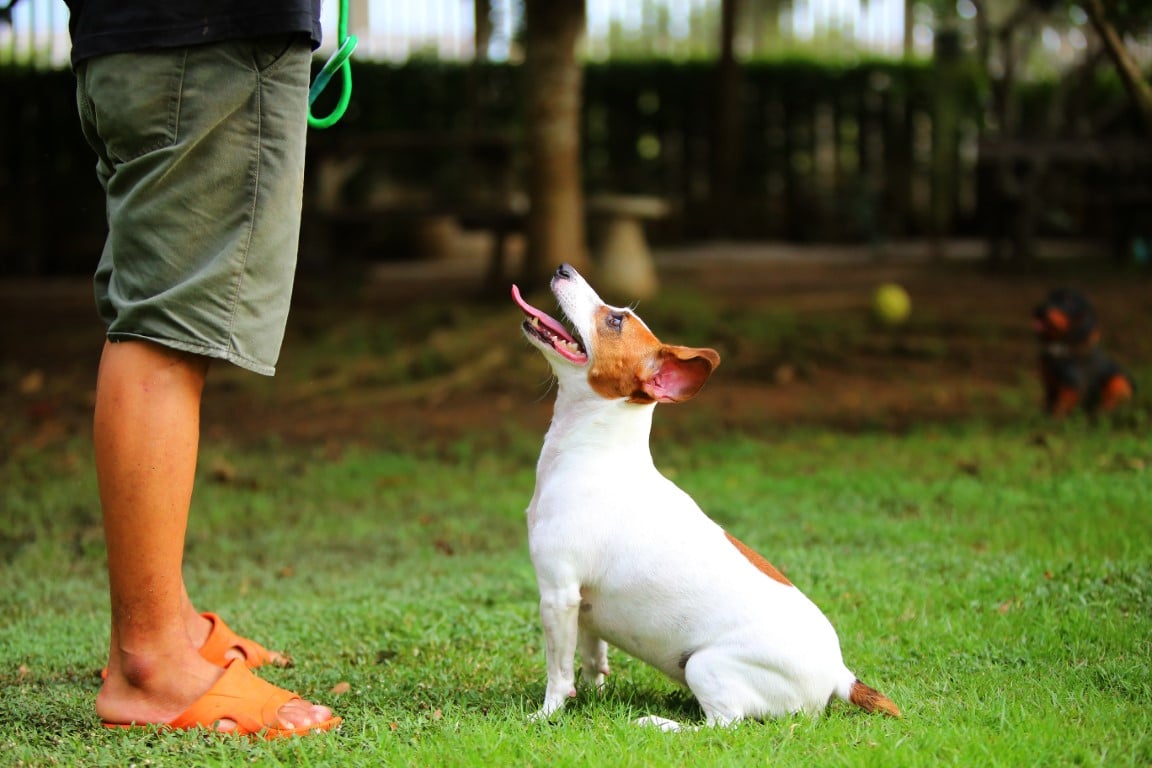
Training: channeling the cleverness Terriers respond best to training that is clear, consistent, and rewarding. Because they were developed to work with intensity, they often learn quickly, but they may test boundaries. Short sessions, high value rewards, and variety keep them engaged. Impulse control exercises, such as waiting at doors, leaving dropped food, and settling on a mat, are especially useful because they teach the dog to pause before acting.
Recall can be challenging when prey drive kicks in. A terrier that spots a squirrel may act as if it cannot hear. This is not defiance so much as instinct. Practicing recall in low distraction settings, then gradually increasing difficulty, and using secure long lines outdoors can build reliability while keeping the dog safe.
Care, enrichment, and everyday management Mental enrichment is not optional for a working terrier type. Scent games, hide and seek, supervised digging areas, and food puzzles can satisfy natural instincts in acceptable ways. Chew options help with stress relief and prevent destructive chewing.
Socialization matters too. Early, positive exposure to different people, sounds, surfaces, and friendly dogs can reduce reactivity. However, some terriers remain selective with other animals, especially small pets. Management, supervision, and honest assessment of prey drive are key.
Health and canine science in brief Small athletic breeds can be prone to issues like kneecap problems, dental crowding, and certain eye conditions, depending on lineage. Regular dental care is especially important because small mouths can accumulate tartar quickly. Maintaining a lean body condition supports joints and helps the dog stay agile.
Conclusion The pocket dynamo terrier is memorable because it combines a big personality with a working brain and a body built for speed. When you view its behavior through the lens of history and purpose, the quirks make sense: the boldness, the determination, and the constant search for something to do. With the right mix of exercise, training, and enrichment, this spirited companion becomes not just manageable, but deeply rewarding, a small dog that lives like it has an important mission every day.