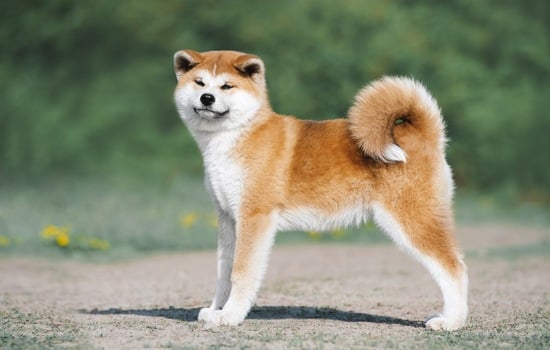
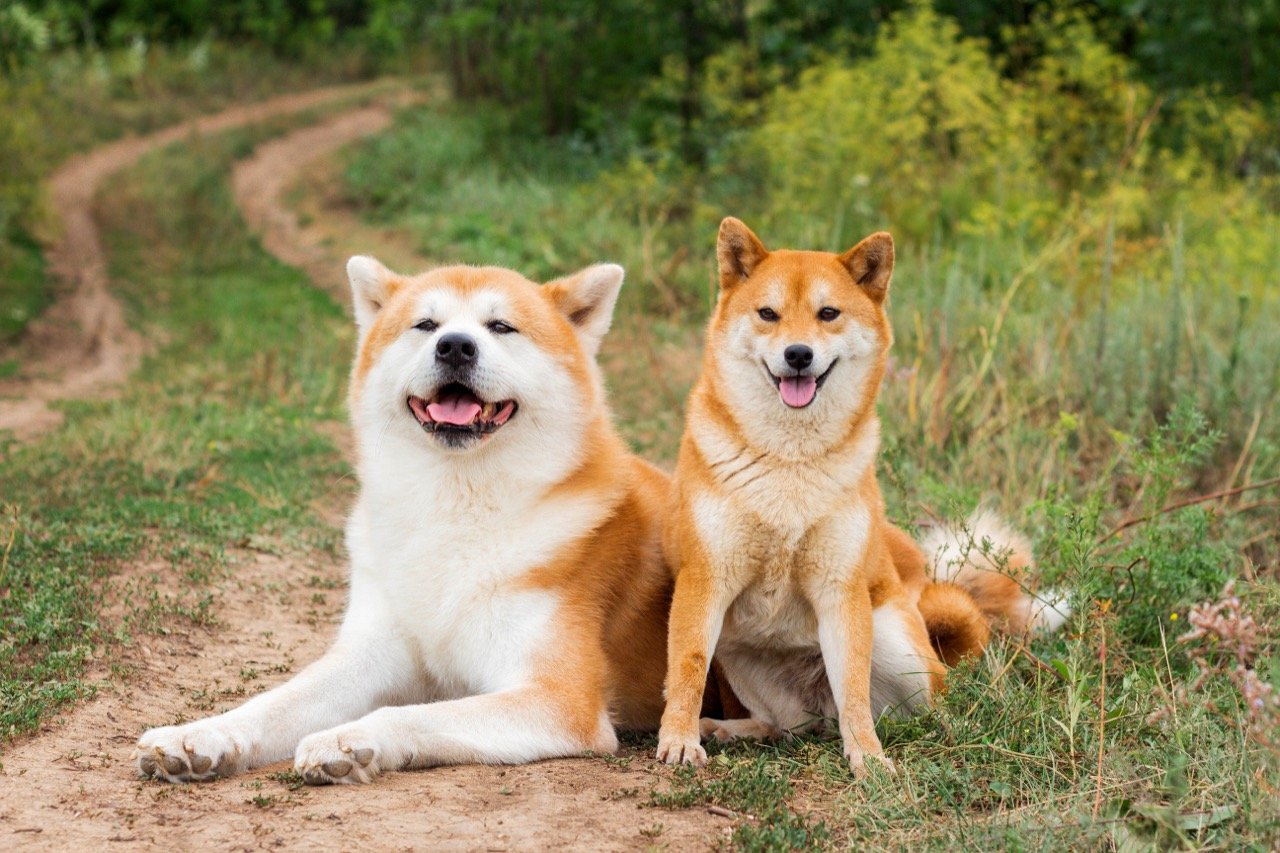
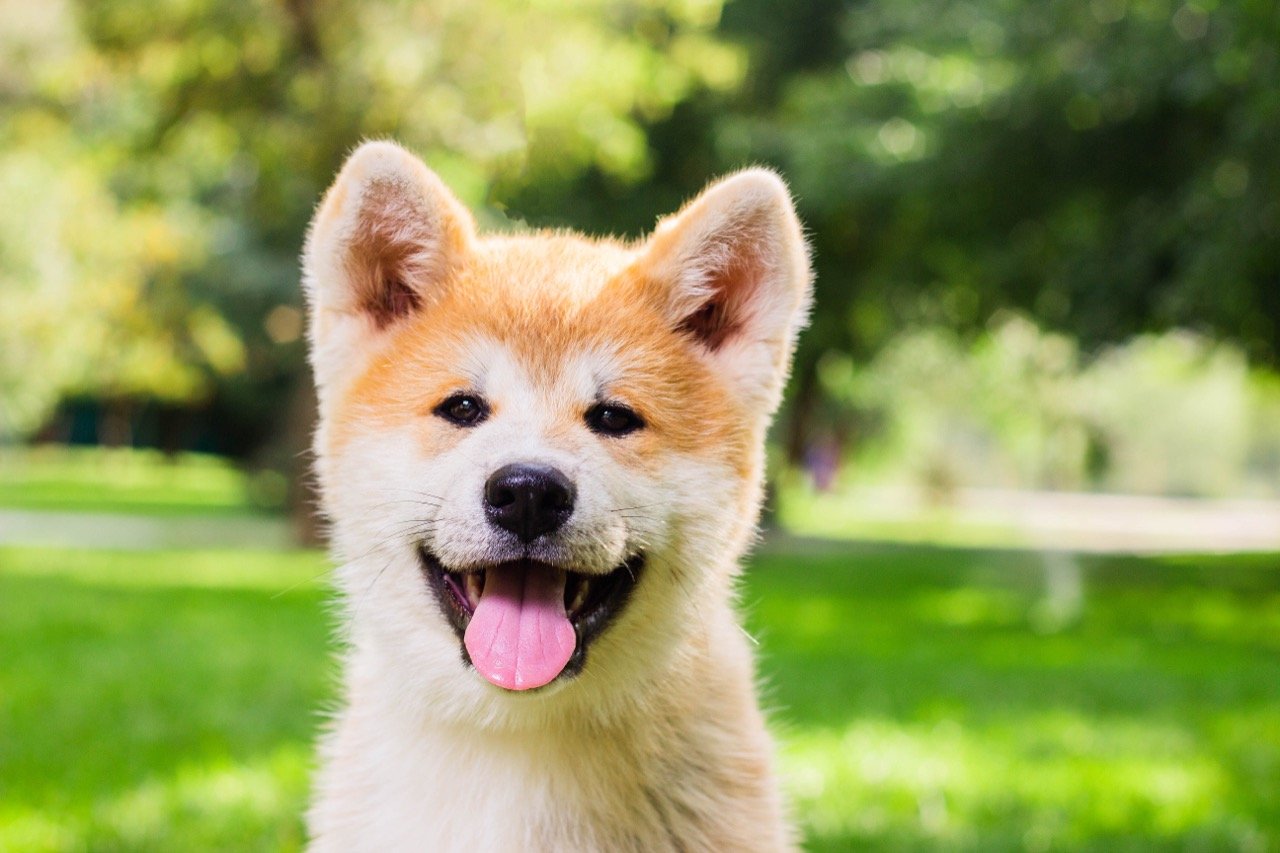
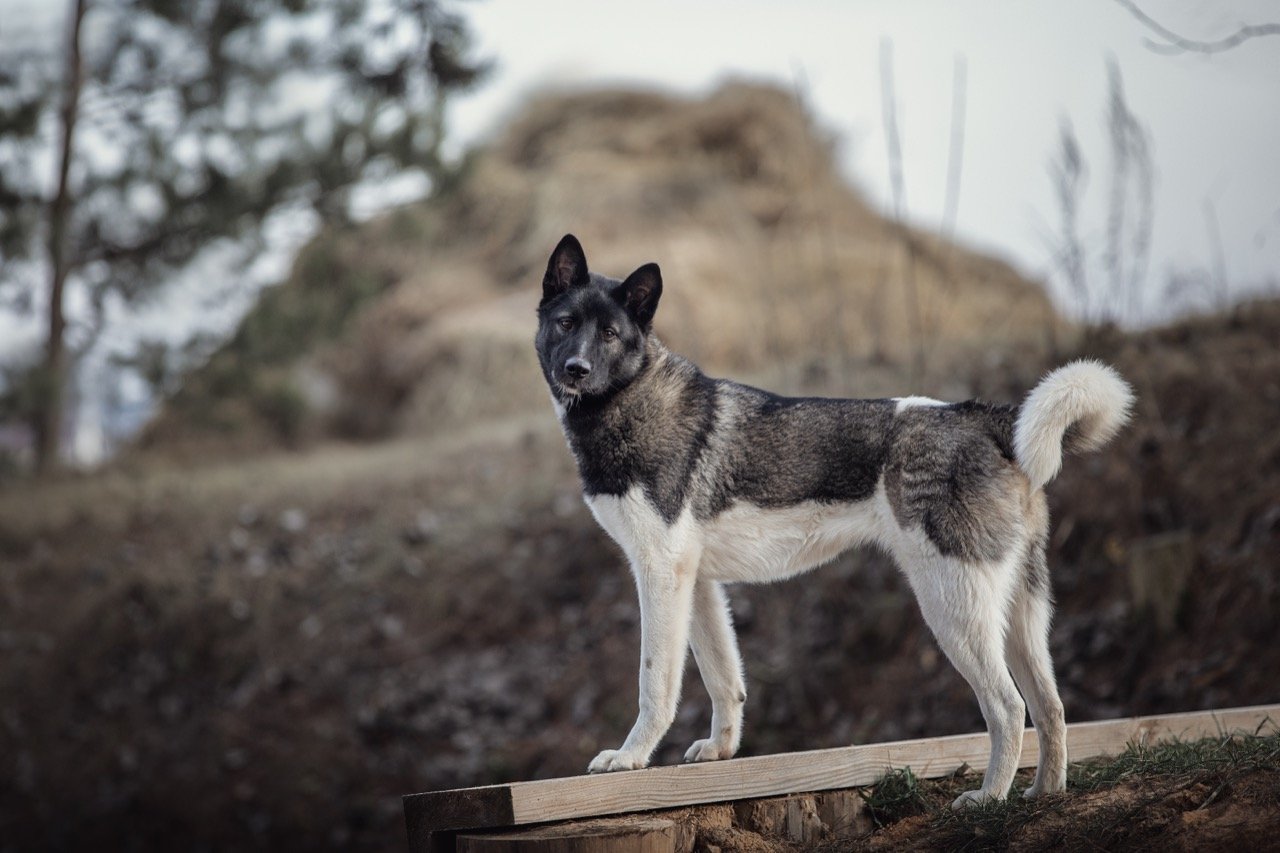

Introduction Few dogs are as instantly recognizable as the Akita, a powerful spitz type breed from northern Japan known for its plush coat, curled tail, and steady, dignified expression. Celebrated as a loyal companion and respected as a capable working dog, the Akita combines calm confidence at home with an alert, watchful presence outdoors. Understanding what shaped this breed helps explain why Akitas can be such devoted family members in the right hands, and why they require thoughtful training and management.
Origins and cultural legacy The Akita traces its roots to Japan’s snowy northern regions, where resilience and self sufficiency mattered. Early Akitas were developed for demanding tasks, including hunting large game and guarding. Over time, the breed became closely associated with ideals of loyalty and courage. The most famous story is that of Hachiko, an Akita who waited for his owner at a train station day after day, becoming a national symbol of devotion. In Japan, Akitas have also been linked with good fortune, and small Akita statues are sometimes given as meaningful gifts.
Temperament and behavior Akitas are often described as quiet, composed, and deeply bonded to their people. Many are not overly demonstrative with strangers, but they tend to be observant and protective, making early socialization essential. Their confidence can look like stubbornness, yet it is more accurate to think of them as independent decision makers. This trait is part of their heritage as working dogs. They usually do best with clear rules, consistent handling, and owners who can read canine body language. Because some Akitas may be selective with other dogs, careful introductions and ongoing management can be important, especially with same sex dogs.
Training and socialization essentials Training an Akita works best when it is calm, structured, and reward based. Harsh methods can damage trust and may increase resistance. Focus on basic obedience, polite leash skills, and impulse control. Socialization should be broad and positive, including different people, environments, and sounds, while avoiding overwhelming situations. Teaching reliable recall can be challenging due to prey drive, so many owners rely on secure fencing and long lines for safe outdoor freedom.
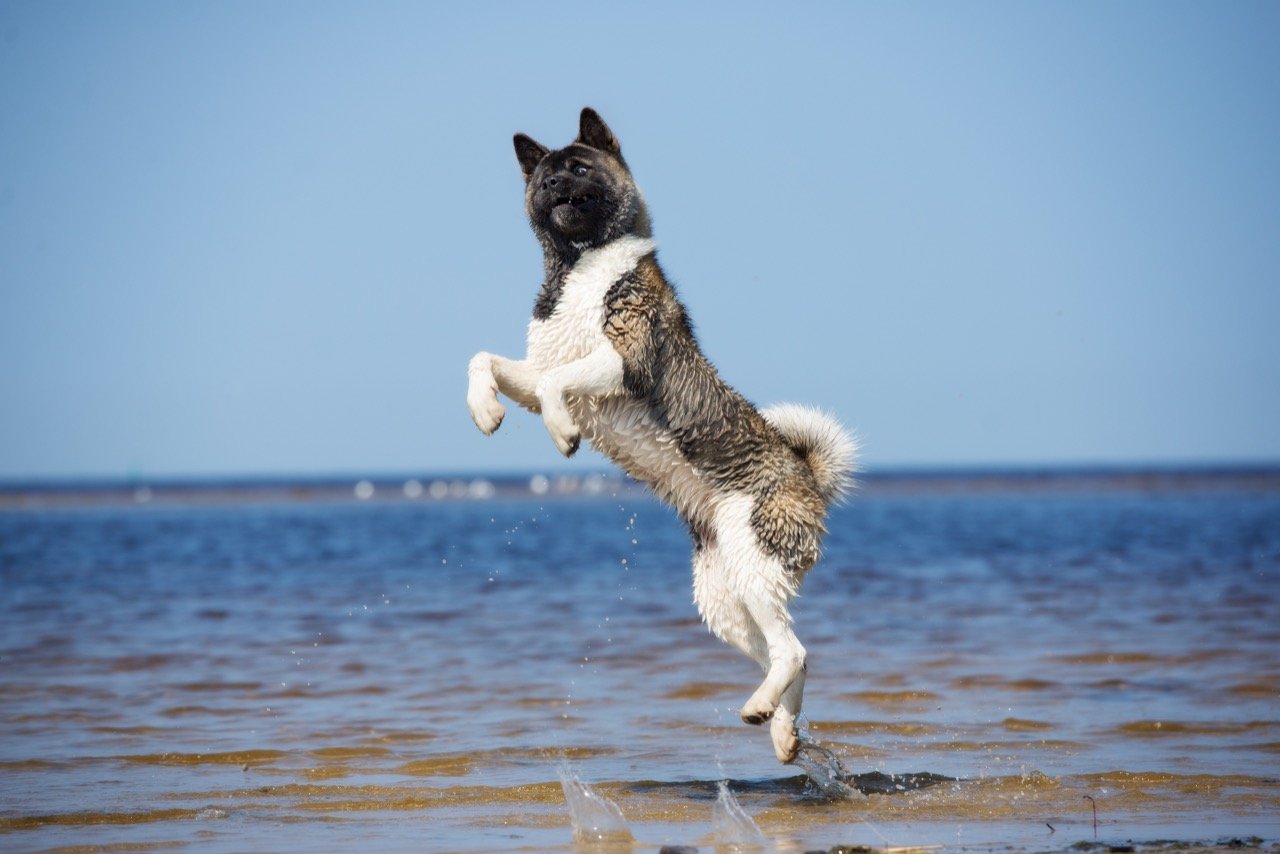
Exercise and enrichment Despite their sturdy build, Akitas are not nonstop athletes, but they do need regular exercise and mental engagement. Daily walks, training sessions, and puzzle toys help prevent boredom. In cold weather, many Akitas thrive, while hot conditions may require shorter outings and careful hydration. Enrichment that uses their senses, like scent games, can be especially satisfying.
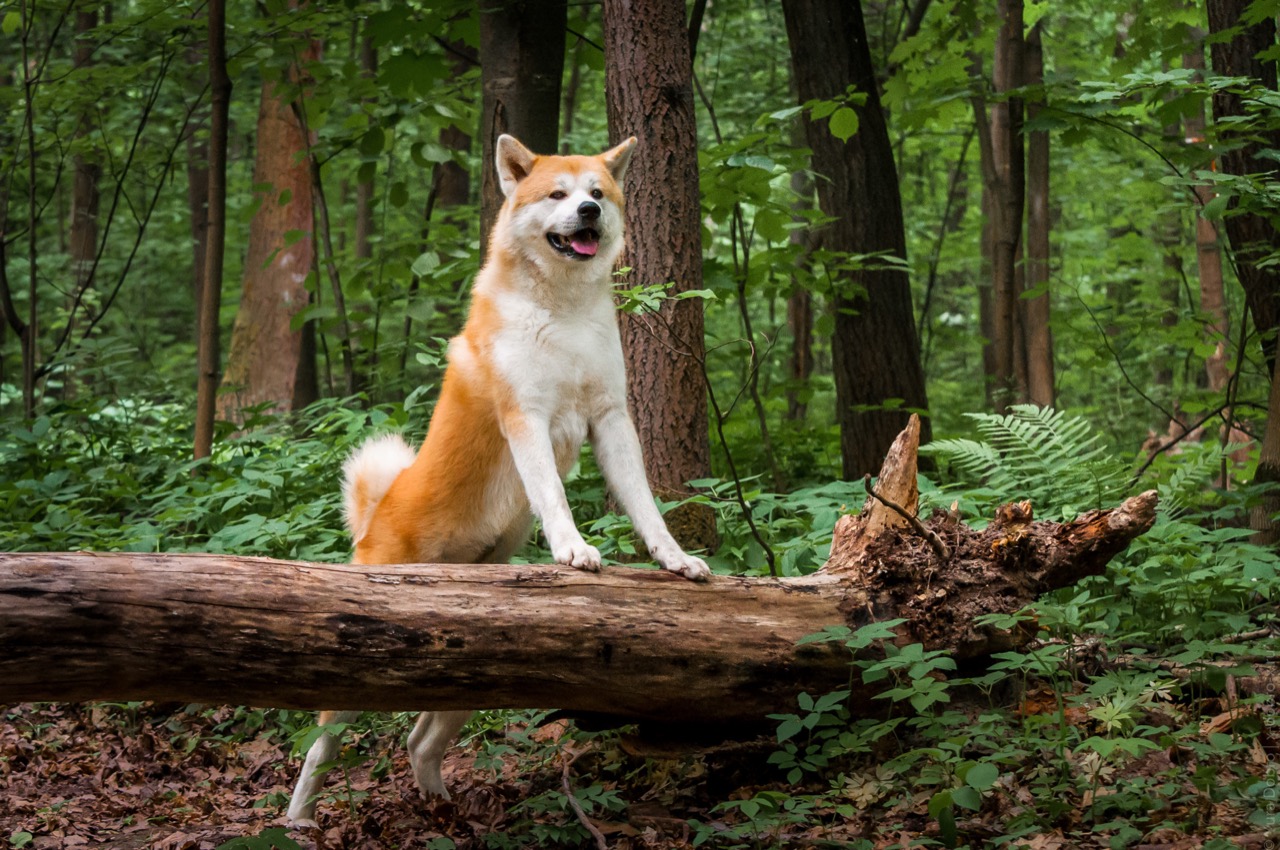
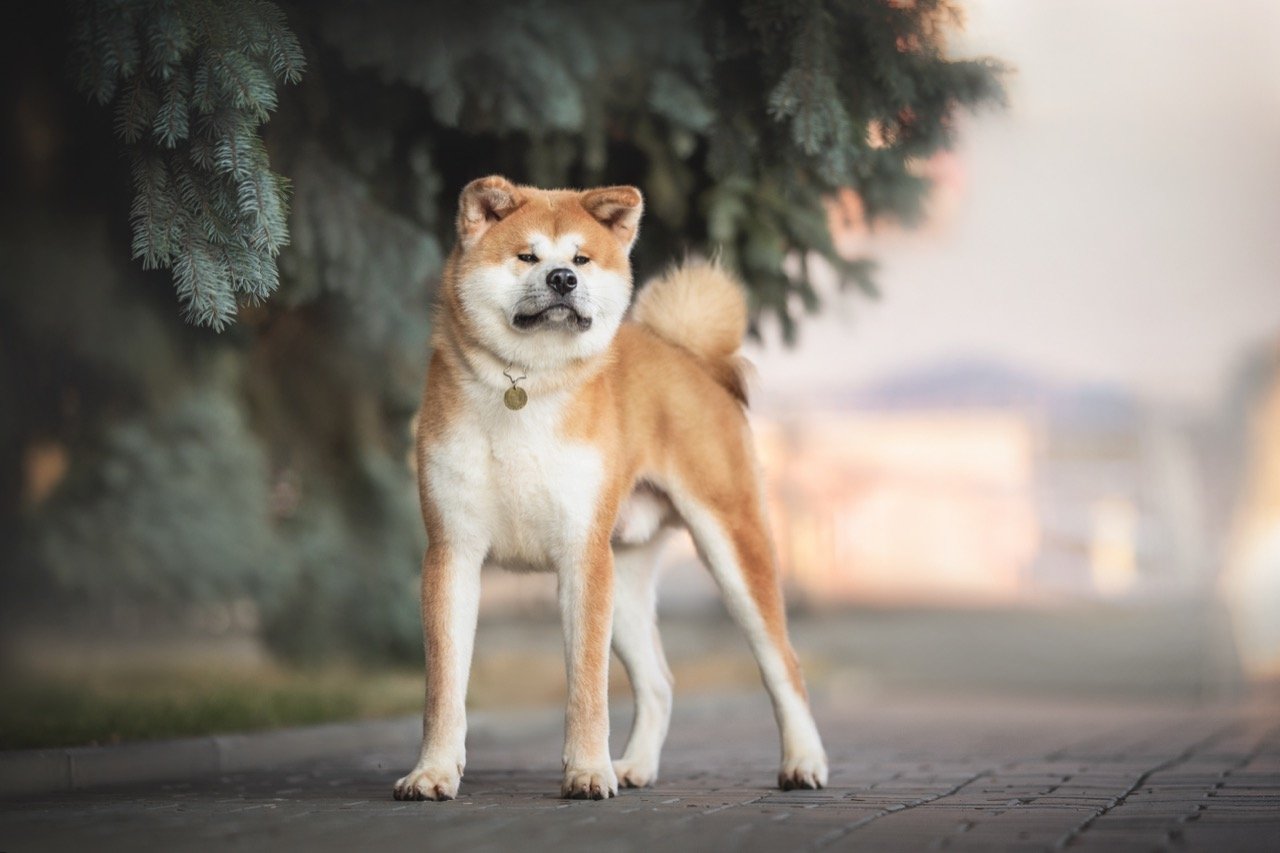
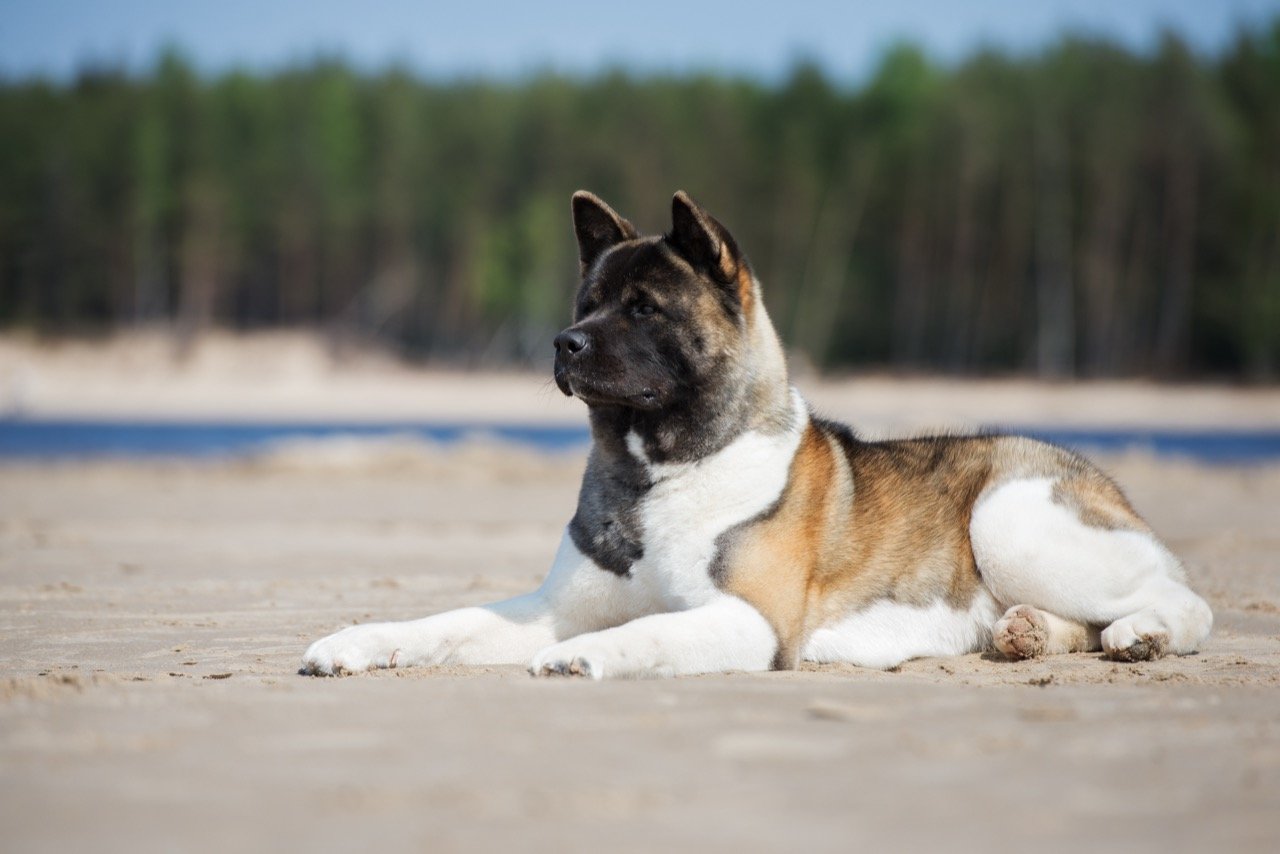
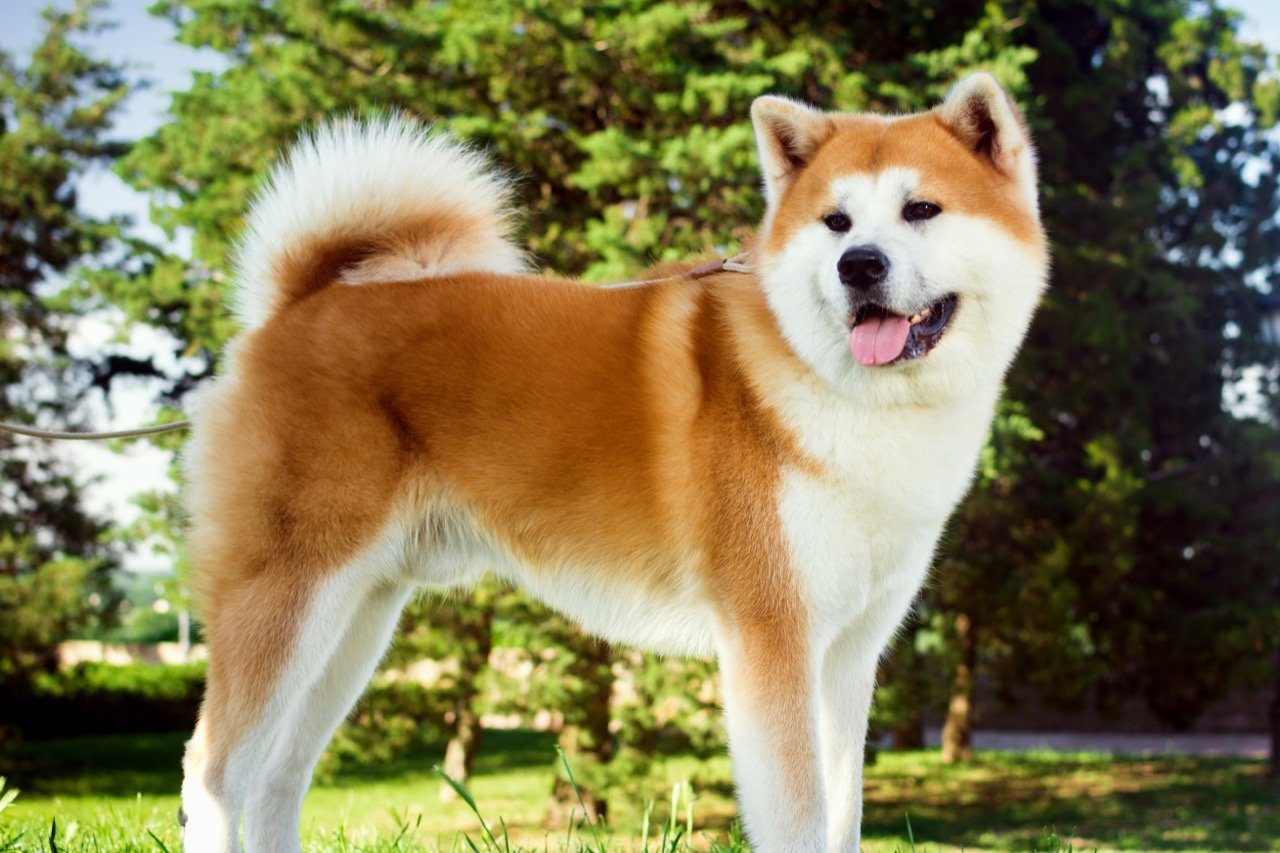
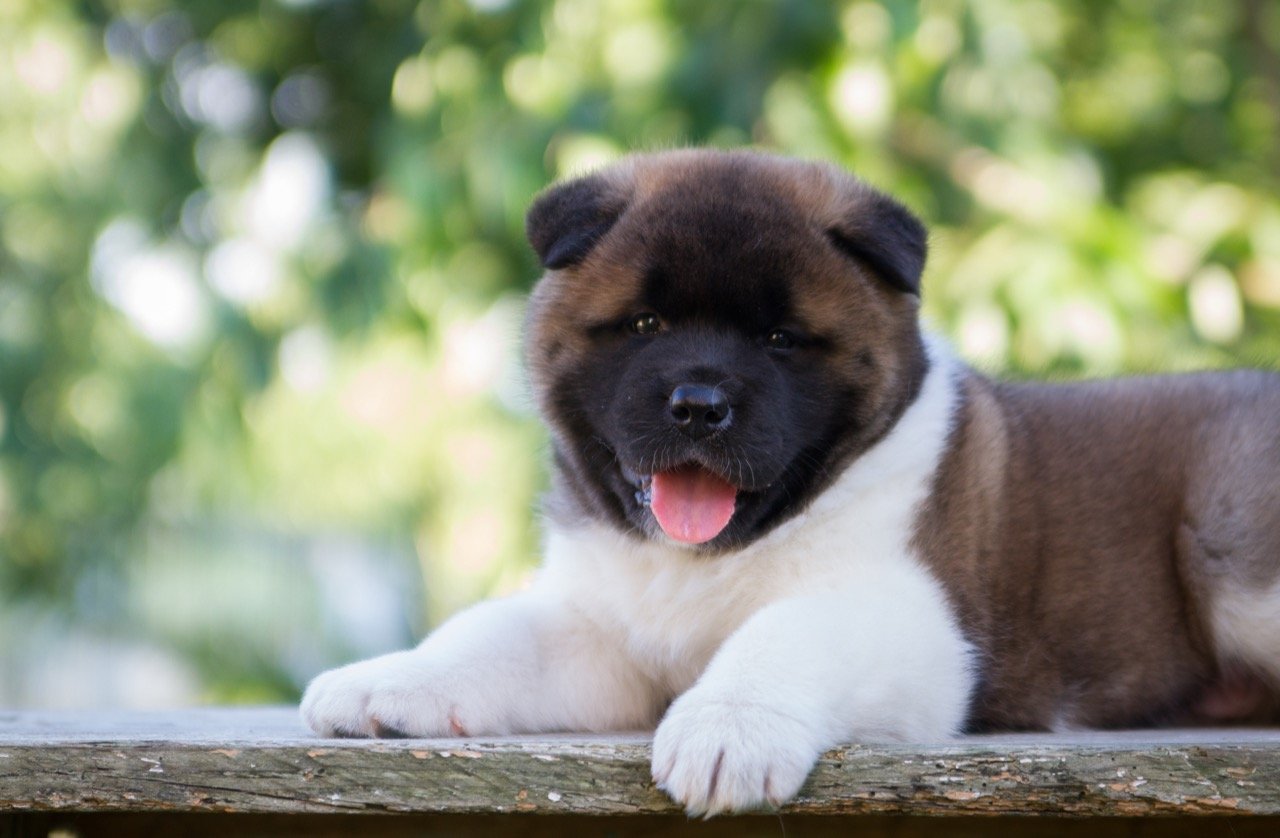
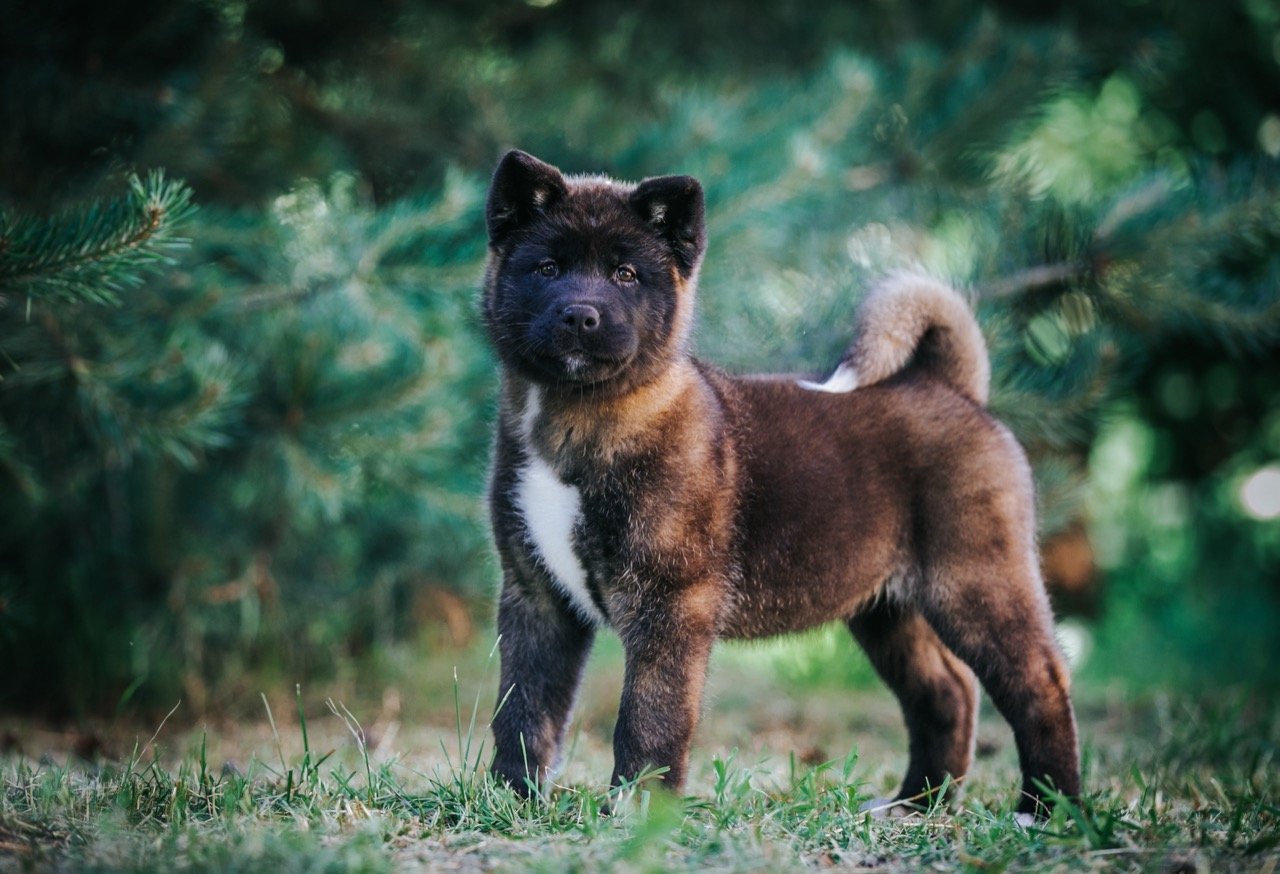
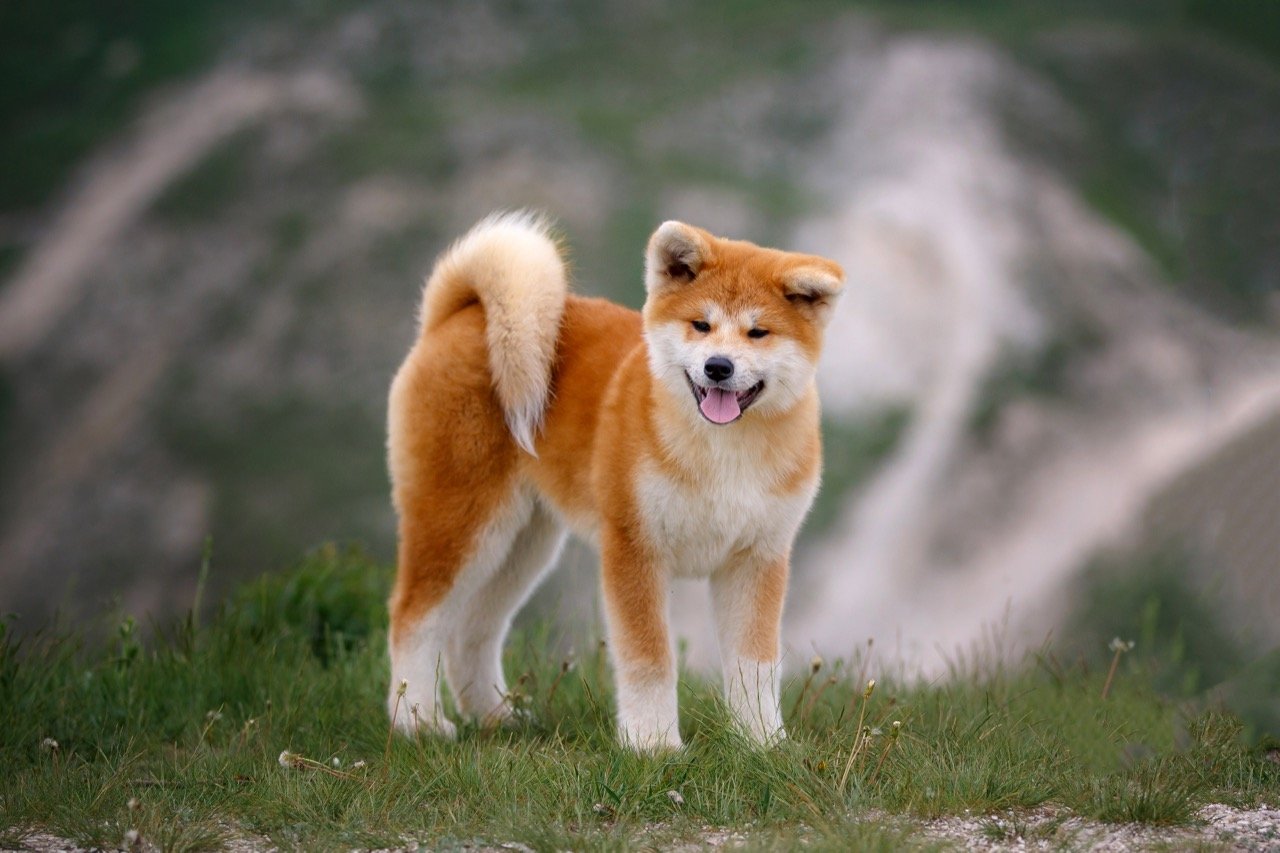
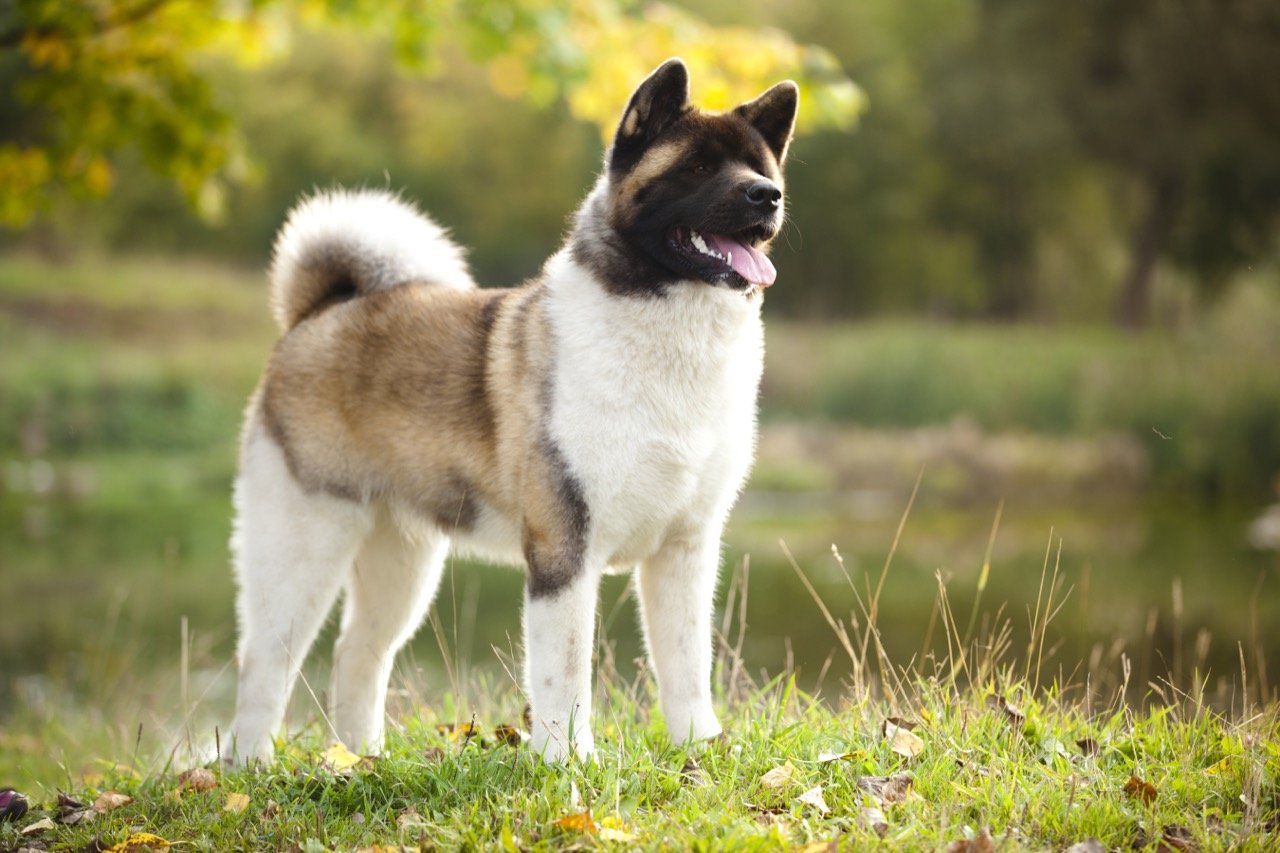
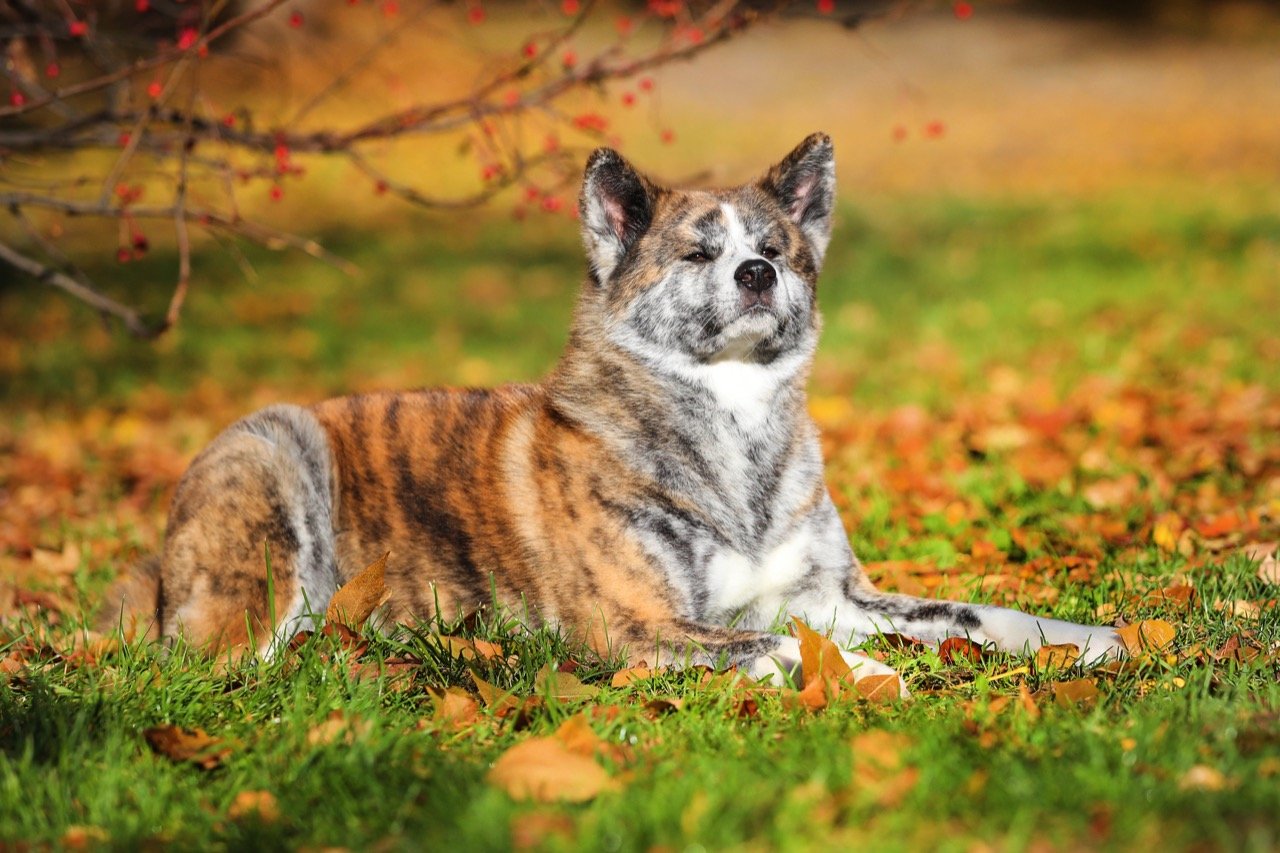
Grooming and physical traits The Akita’s double coat is designed for harsh climates, with a dense undercoat and harsher outer coat. Routine brushing helps control shedding, but seasonal coat blows can be dramatic, requiring more frequent grooming. Bathing should be occasional, with thorough drying to protect the skin. Their hallmark features include a broad head, small triangular ears, a curled tail, and a strong, balanced frame that signals both agility and power.
Health considerations Responsible breeders screen for inherited issues, and owners should be aware of potential concerns such as hip and elbow dysplasia, certain thyroid conditions, and autoimmune related problems. Like many deep chested breeds, Akitas can also be at risk for bloat, so discussing feeding routines and warning signs with a veterinarian is wise. Maintaining a healthy weight is one of the simplest ways to support long term joint and heart health.
Conclusion The Akita earns admiration not through flashy behavior, but through presence, loyalty, and quiet strength. For people who value a devoted companion and can provide training, socialization, and respectful leadership, this northern guardian can be an extraordinary partner. Learning the breed’s history and needs makes the quiz more fun, and it also highlights what matters most: matching the Akita’s dignified nature with informed, responsible care.