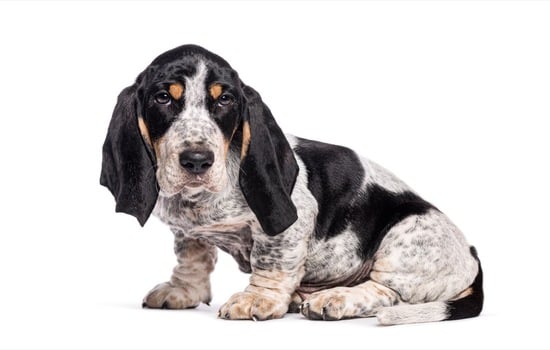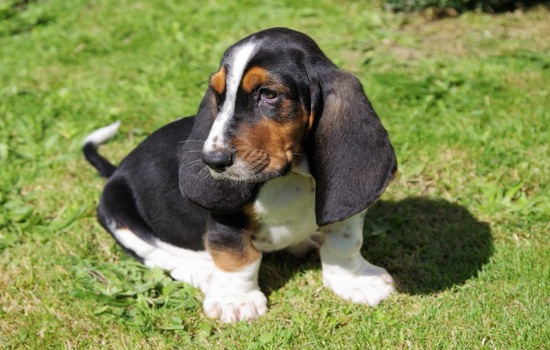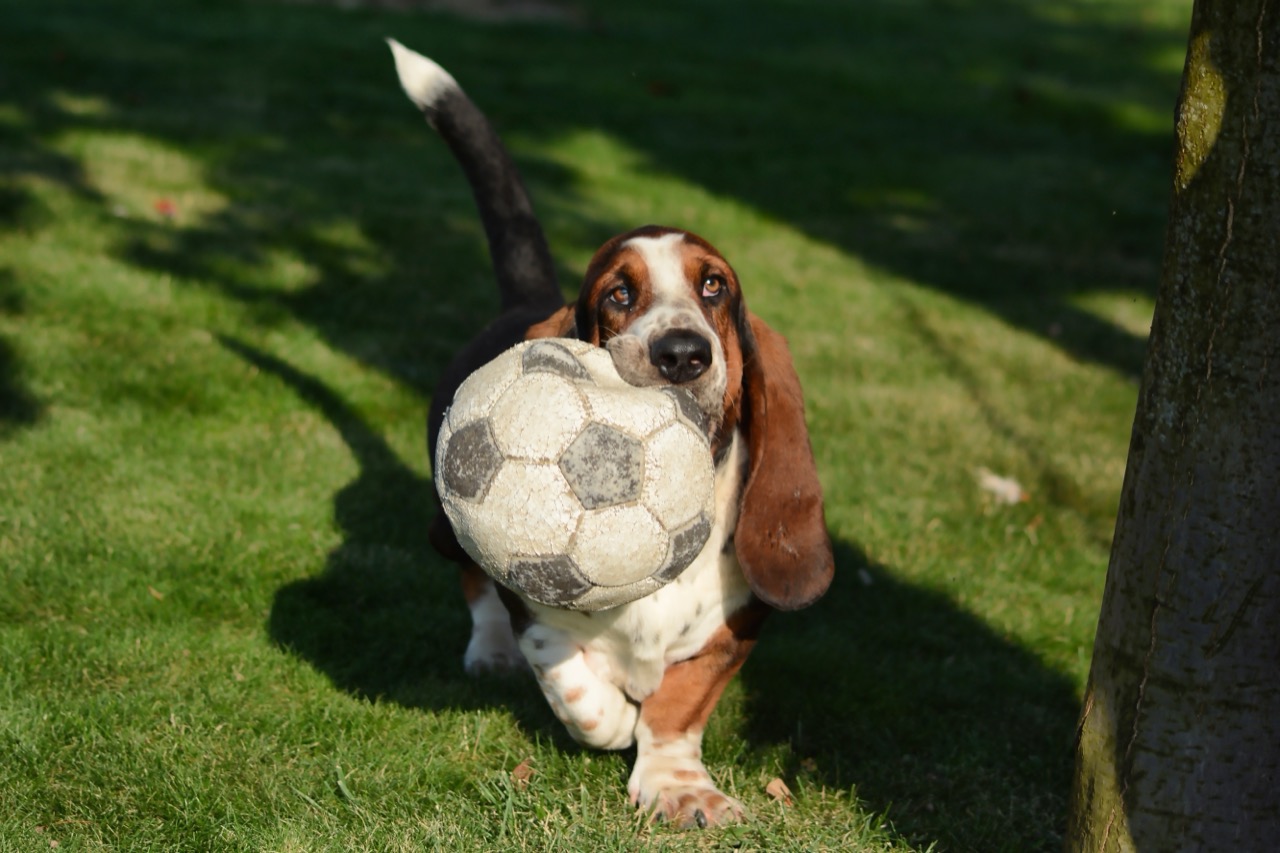
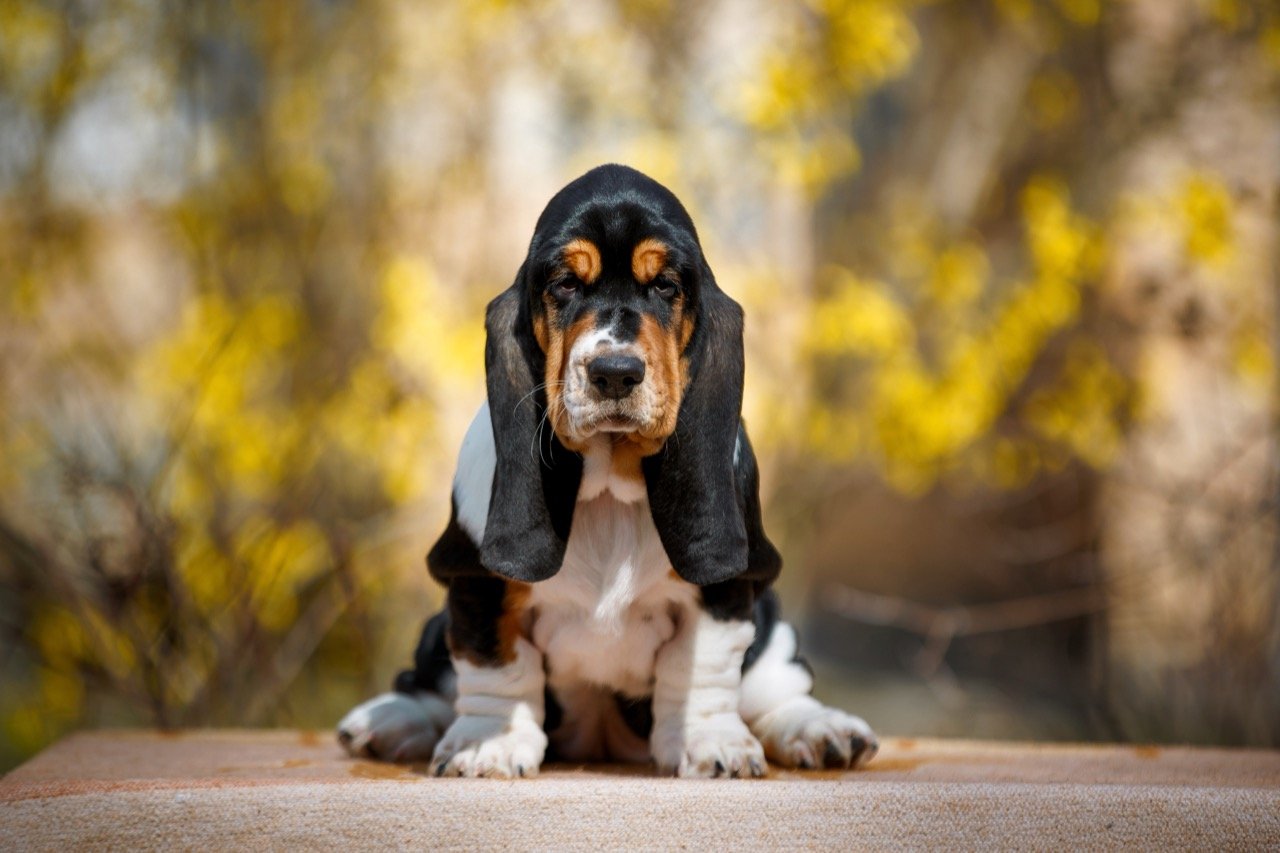
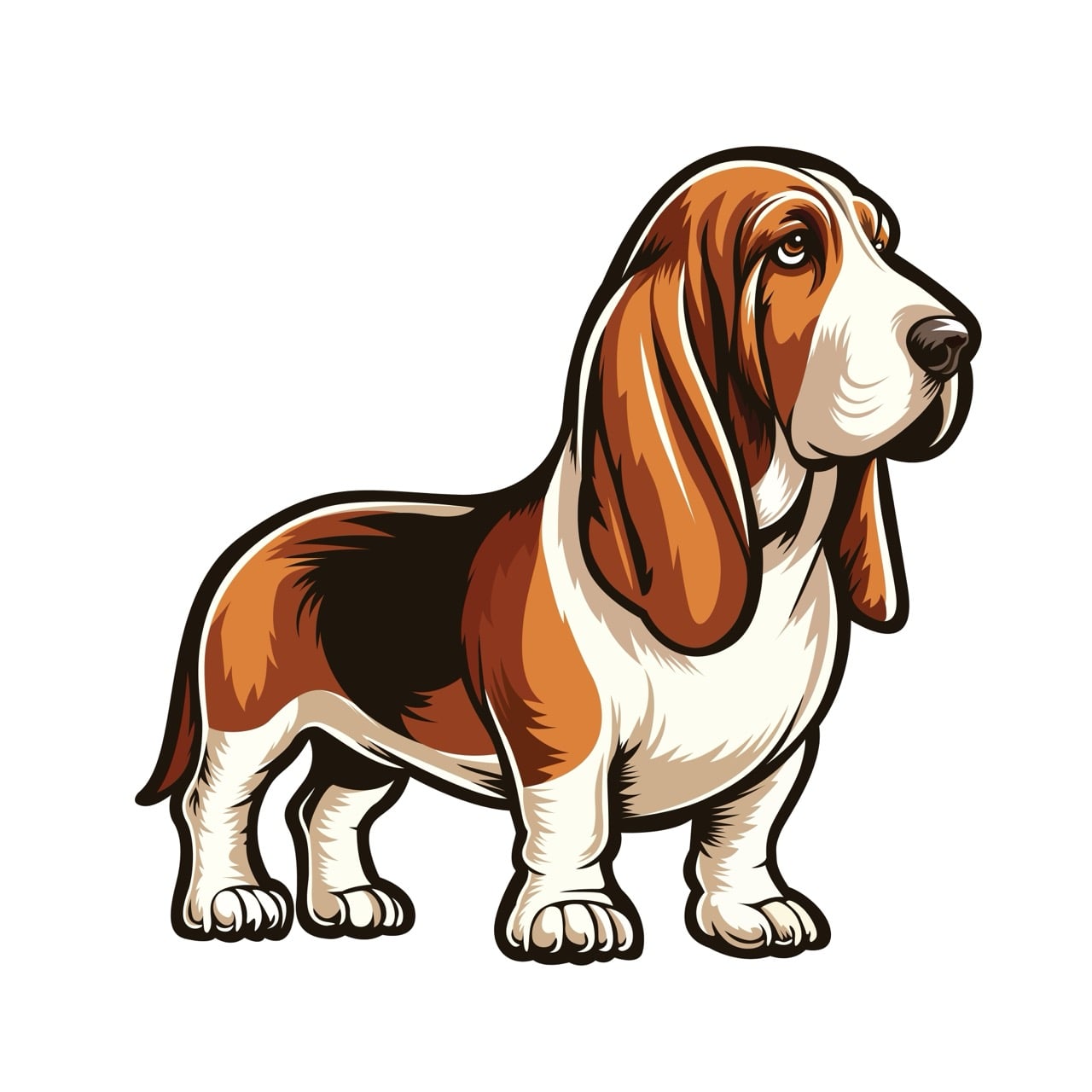
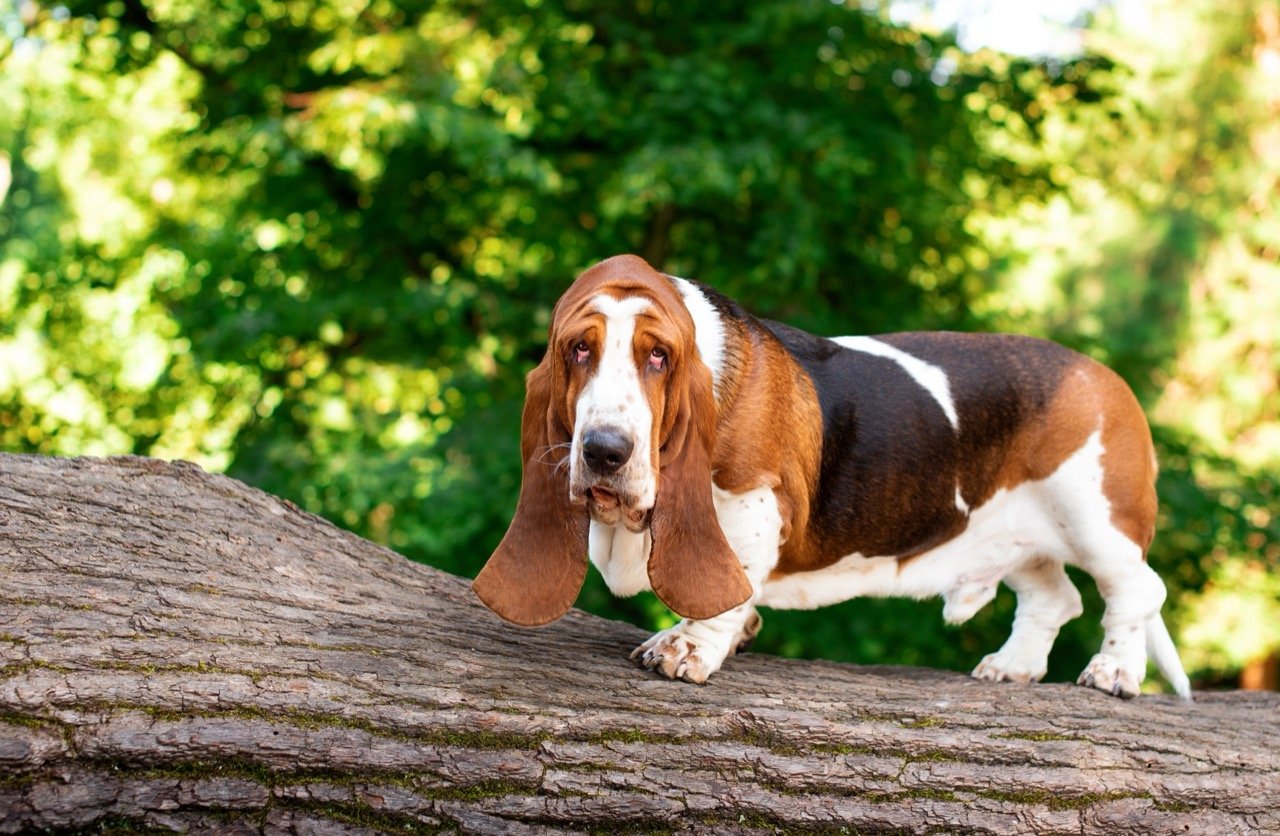
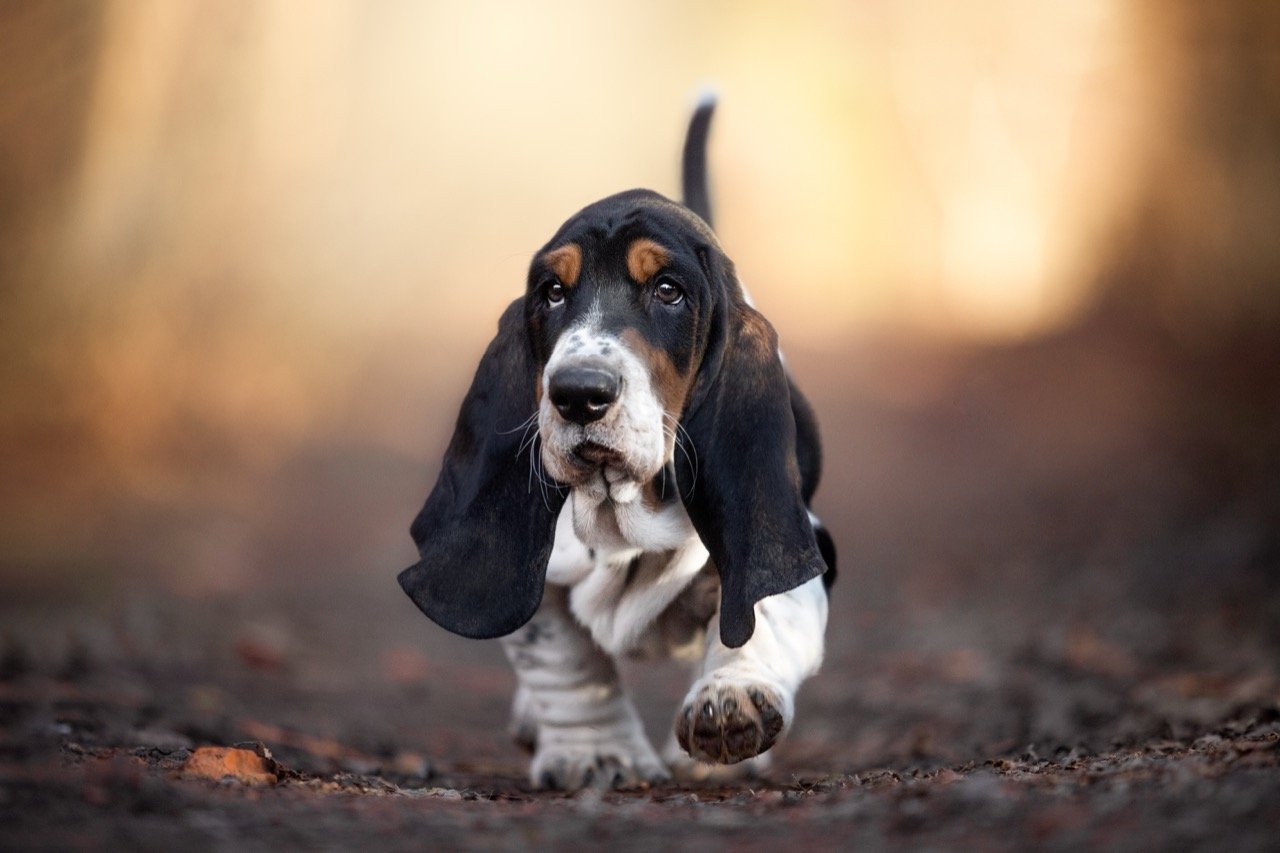
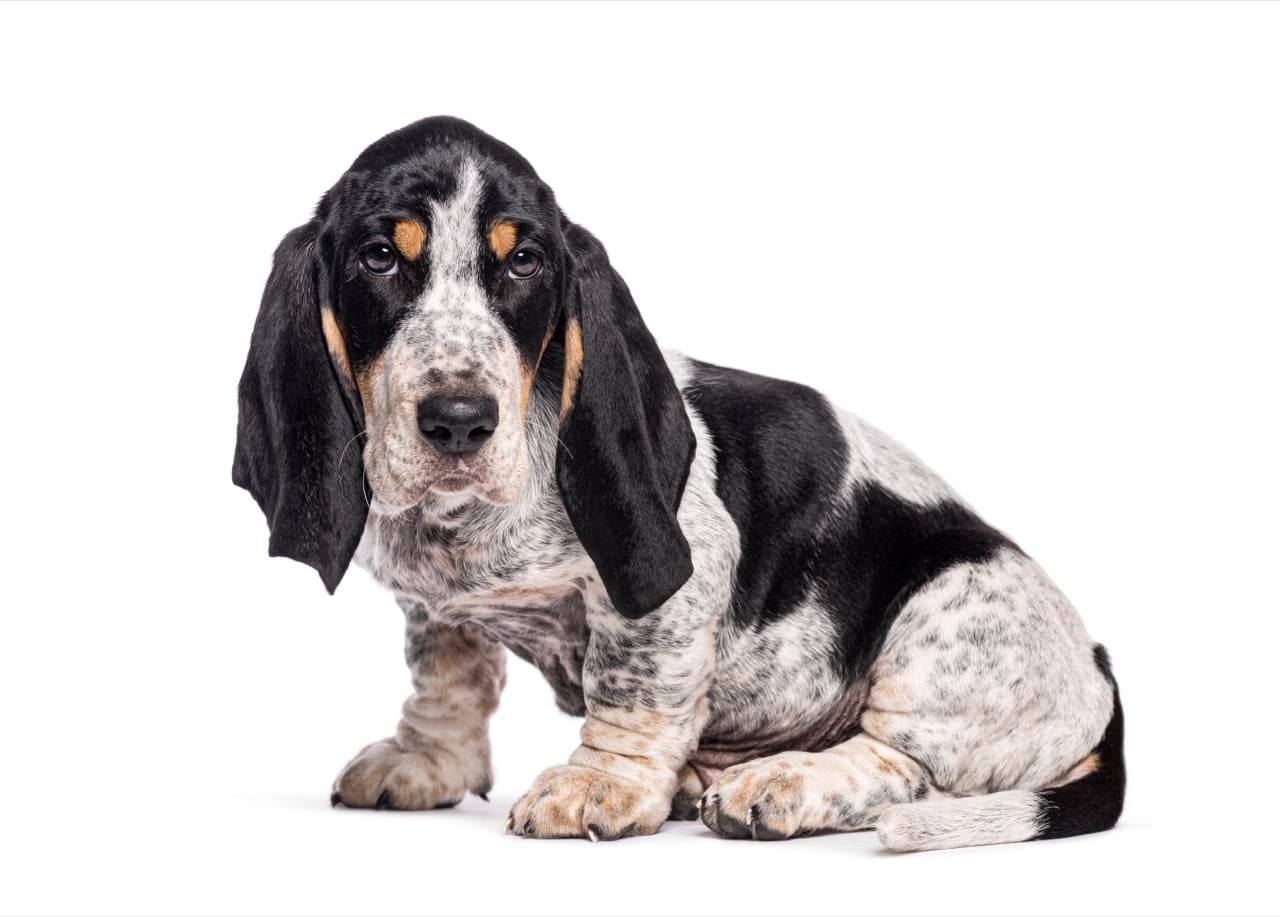
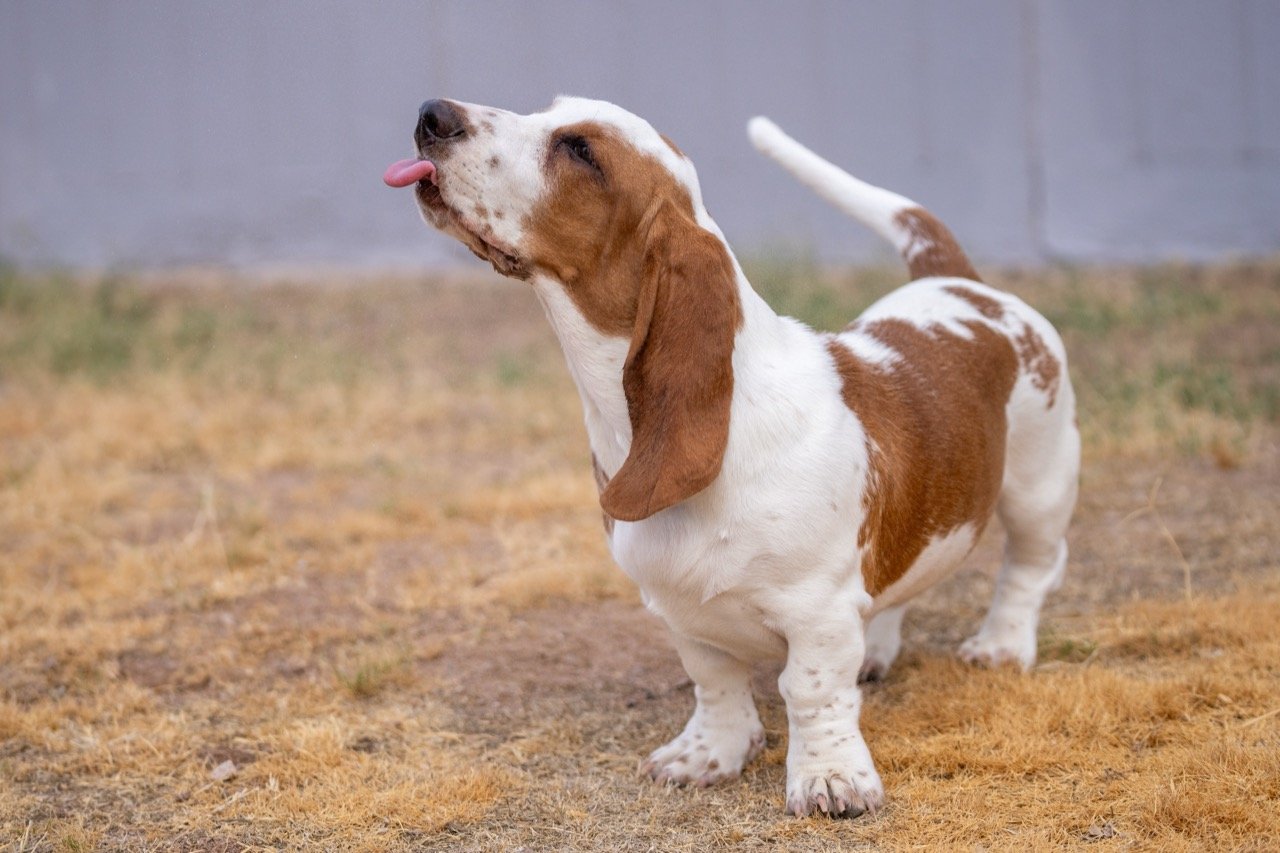
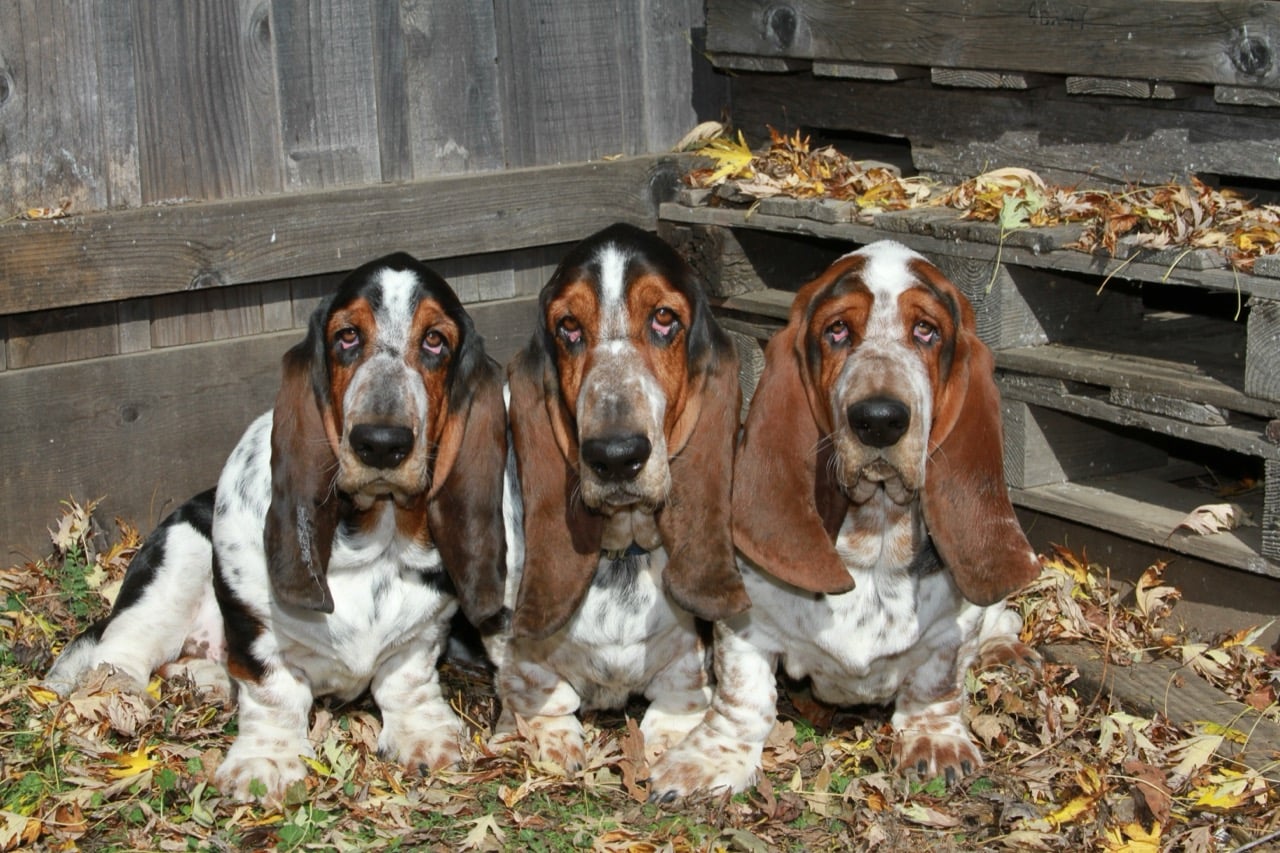
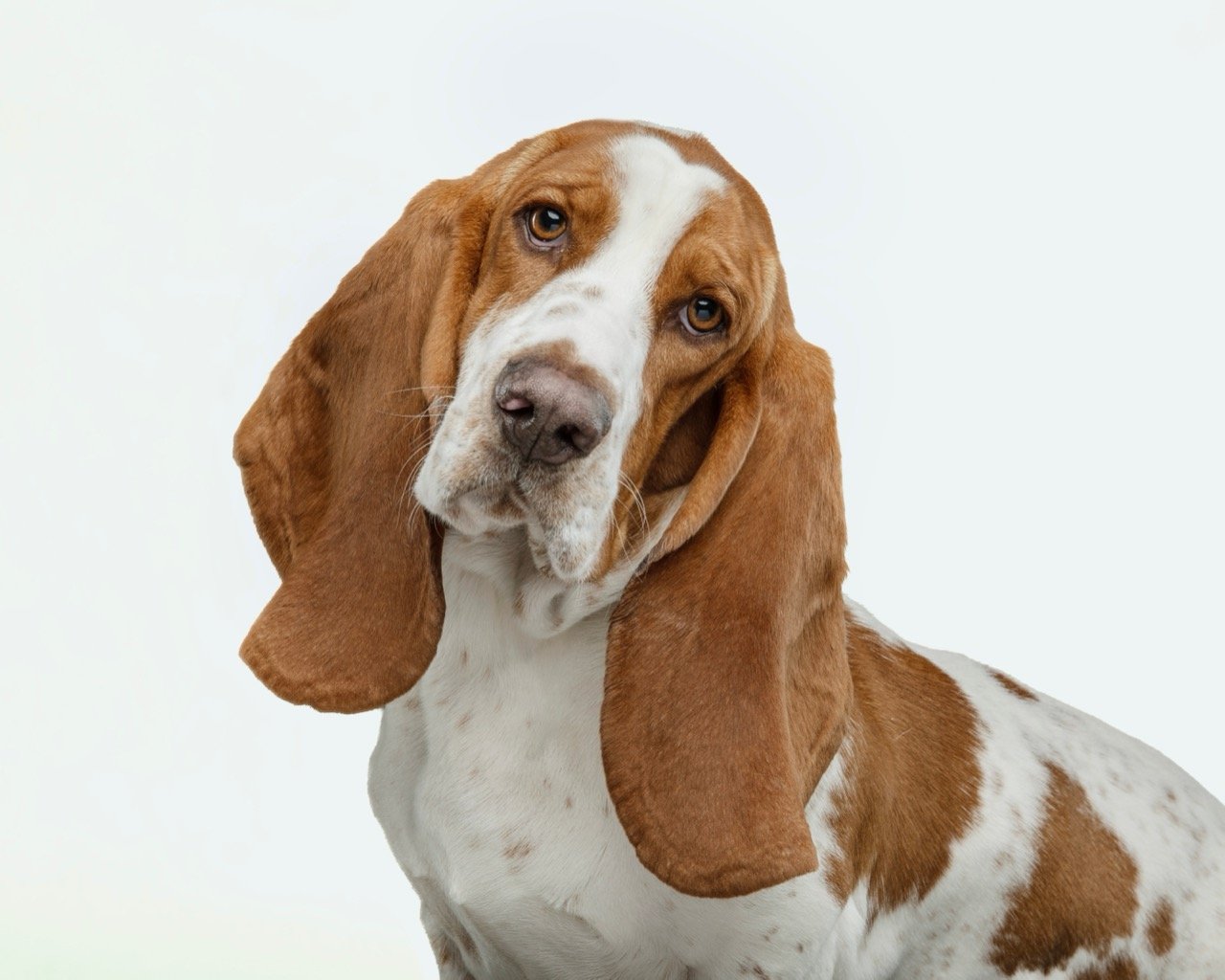
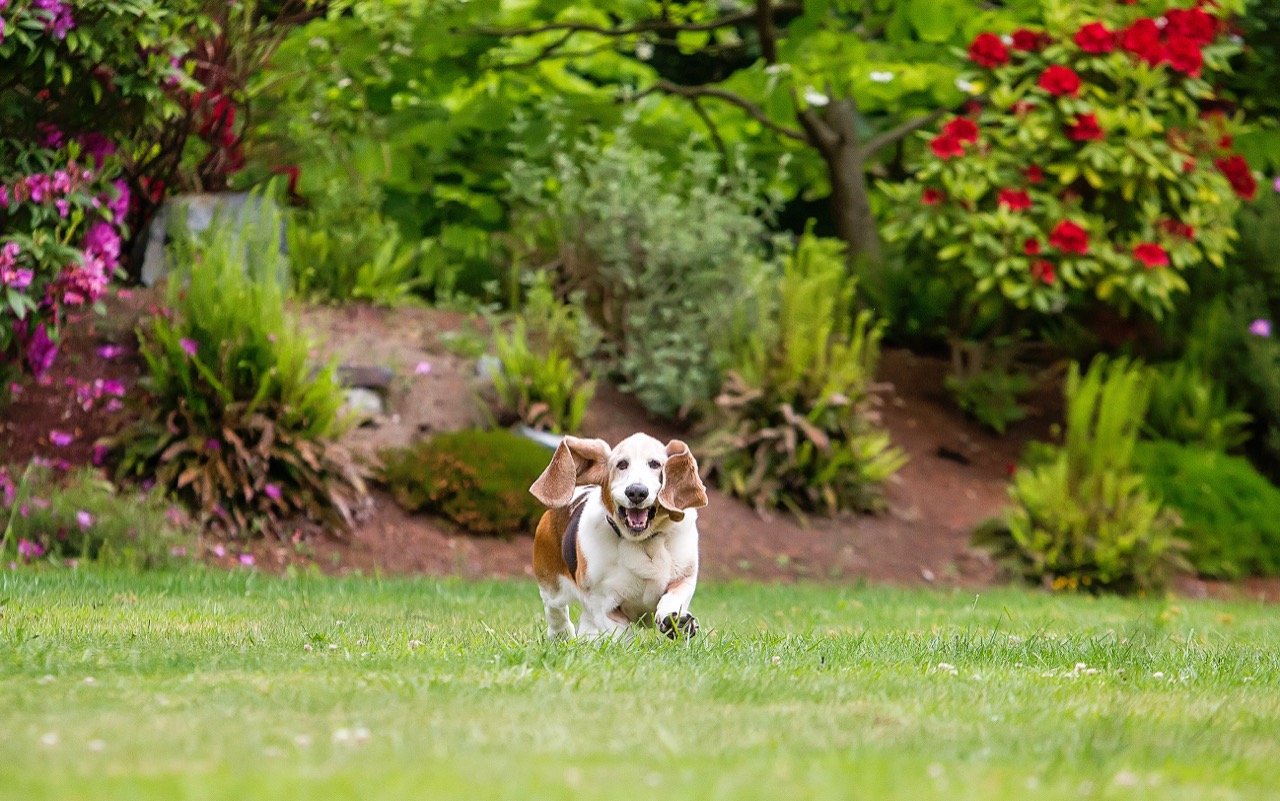
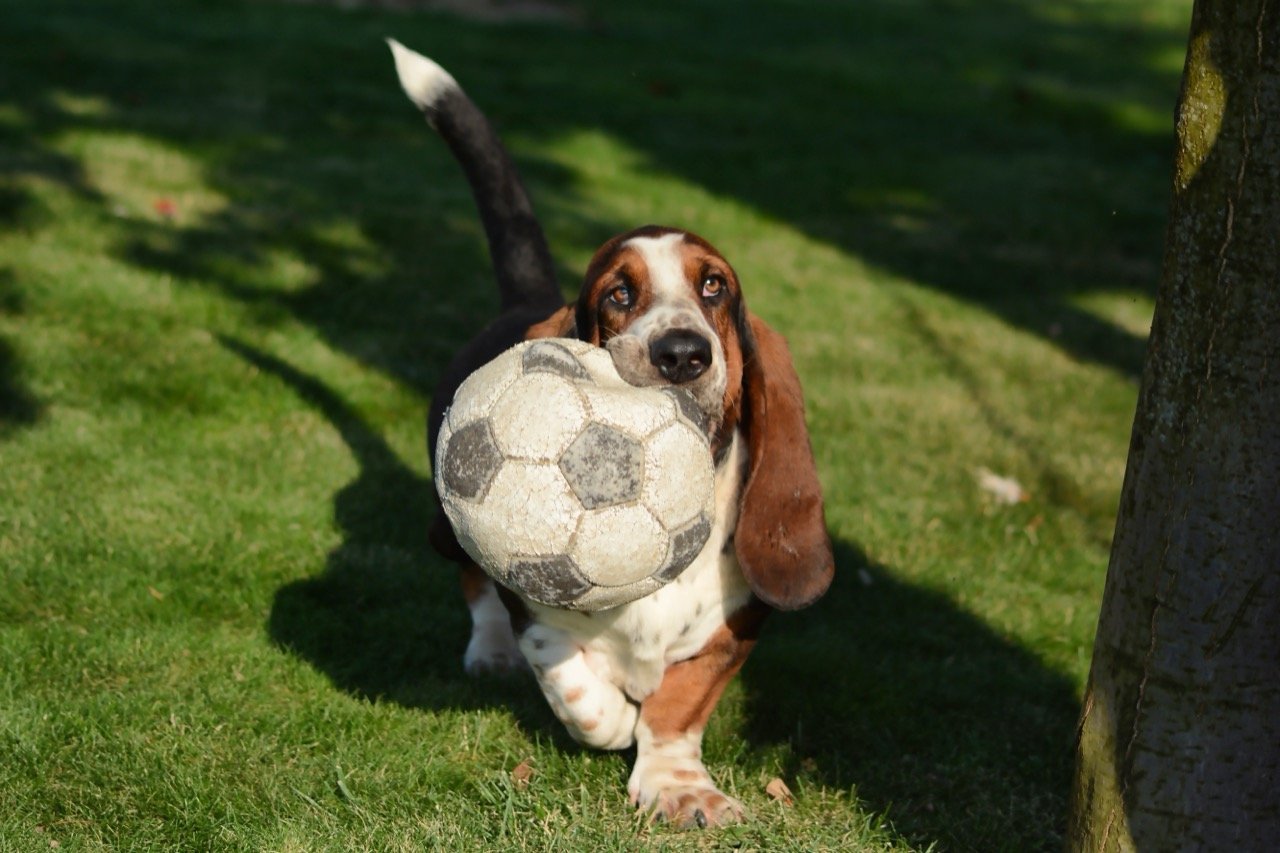
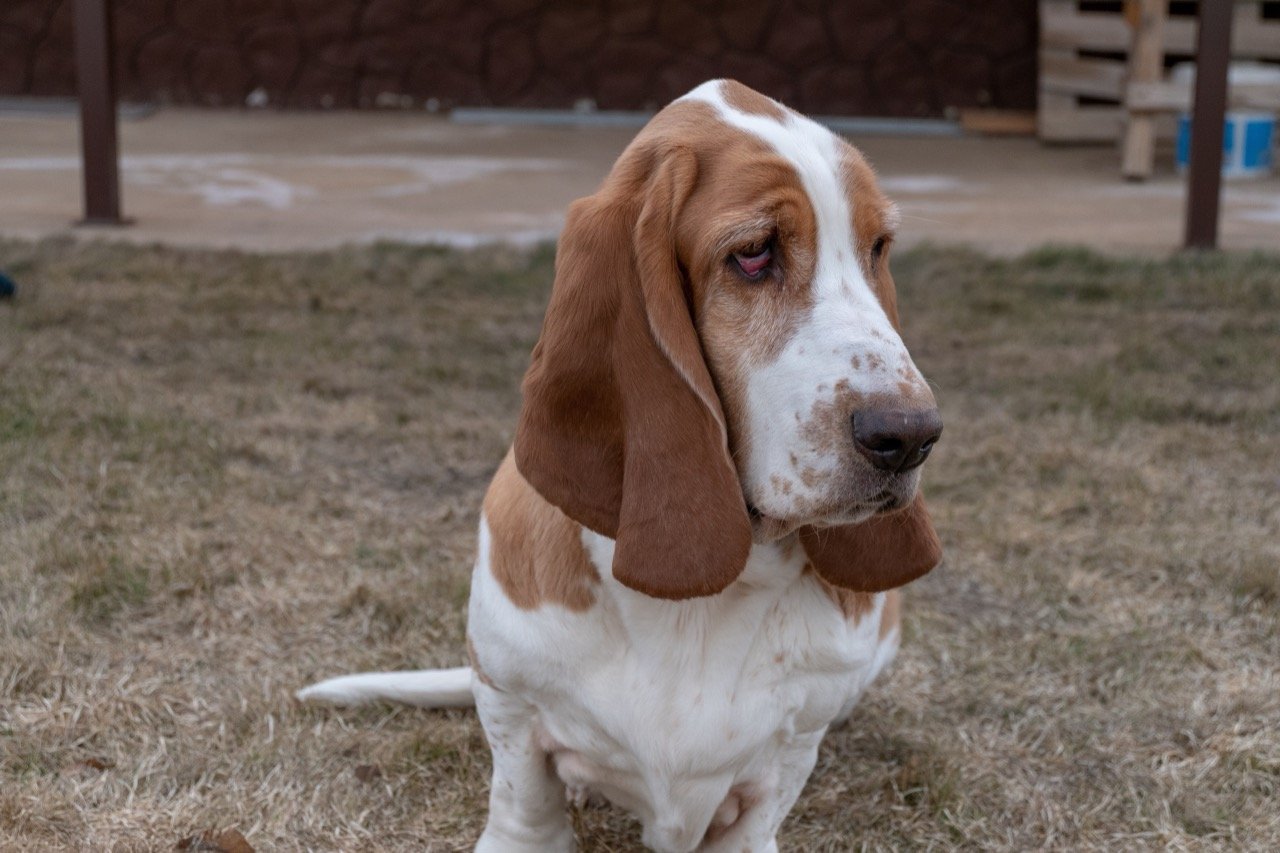
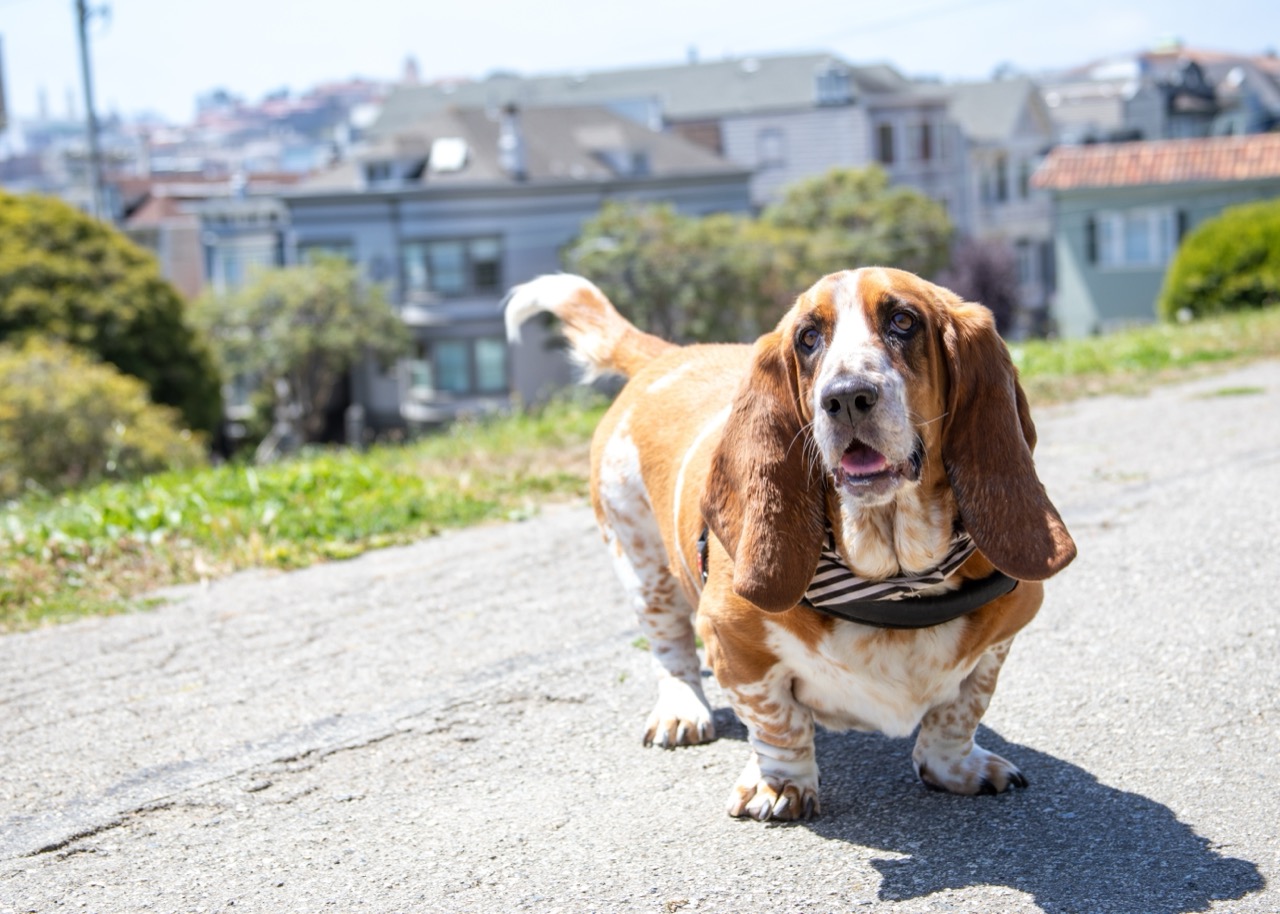
Introduction Few dogs are as instantly recognizable as the Basset Hound. With long ears, heavy paws, and a face that looks permanently unimpressed by your schedule, this low riding scent hound has become a symbol of laid back charm. Yet the Basset is not simply a couch ornament. Under the droopy skin and slow stride is a determined tracker designed to follow scent trails for hours.
Origins and purpose The Basset Hound was developed in France, with its name coming from a French word meaning low. Breeders wanted a dog that could hunt by scent while staying close to the ground and moving at a pace a person could follow on foot. That combination made the Basset ideal for tracking small game such as rabbits and hares. The breed later became popular in Britain and the United States, where it shifted from working hunter to beloved companion, though the instincts never disappeared.
Built for the nose Everything about the Basset’s body supports scent work. Its short legs keep the nose near the ground where scent particles settle. The loose skin around the face can help trap scent, and the long ears act like gentle brooms, stirring up and funneling odors toward the nose as the dog walks. The result is a dog with an exceptional sense of smell, often ranked among the best scent hounds. That sleepy expression can be misleading, because once a trail is interesting, many Bassets become surprisingly focused and hard to distract.
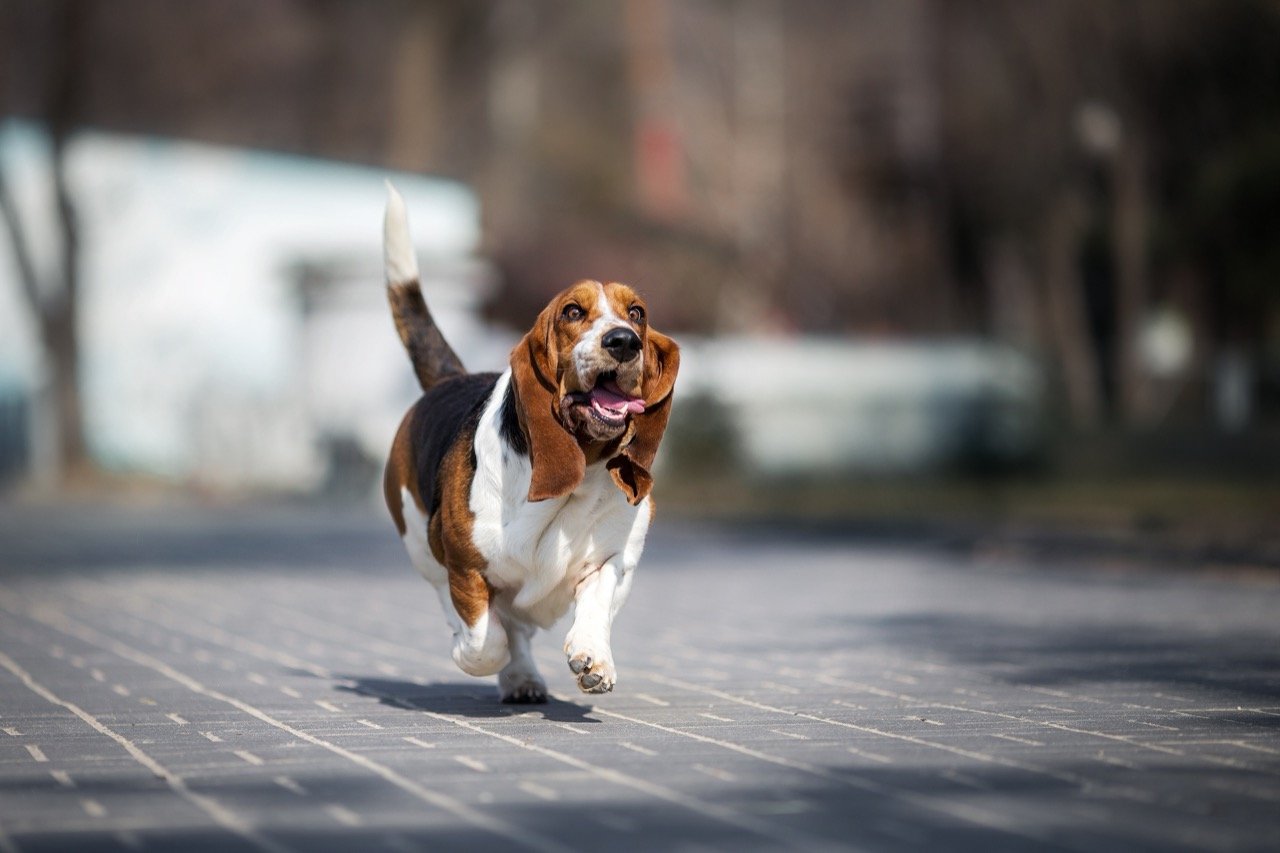
Temperament and the slow does not mean lazy myth Bassets are typically friendly, patient, and social. They often do well with children and other dogs, reflecting their history of working in packs. Their famous slow pace is more about efficiency than laziness. A Basset is built to conserve energy and methodically process scent information. Many enjoy lounging, but they also need regular exercise to stay fit and mentally satisfied. A bored Basset may invent its own fun, which can include selective hearing.
Training and motivation Training a Basset Hound requires humor and consistency. They are intelligent, but they are also independent, and their nose can override your instructions. Food is a powerful motivator, which helps with positive reinforcement training, but it also means portion control matters. Short sessions, clear routines, and rewarding calm behavior work better than harsh corrections. Because they can follow a scent without noticing the world, secure fencing and leash walks are important.
The legendary voice Bassets are known for a deep, resonant bay rather than a sharp bark. This voice was useful for hunters who needed to locate the dog at a distance. Compared with many breeds, the sound can be louder and more carrying than you might expect from a dog that looks half asleep. Early training, adequate exercise, and avoiding long periods of isolation can reduce nuisance howling.
Health and care considerations Their long ears can trap moisture and debris, so regular ear checks and cleaning are common needs. Their body shape can contribute to back strain if they become overweight, and extra pounds also stress joints. Many Bassets are prone to obesity because of their appetite and their ability to convince people they have never been fed. Eye issues, skin folds, and general joint health are also areas owners often monitor with a veterinarian.
Conclusion The Basset Hound is a study in contrasts: calm but stubborn, slow but relentless, comical in appearance yet serious about scent. Understanding why the ears matter, what the voice is for, and how strong the tracking drive can be makes the breed even more fascinating. Whether you are preparing for a quiz or considering life with one, the key is to respect the nose, manage the appetite, and appreciate the steady determination behind those soulful eyes.