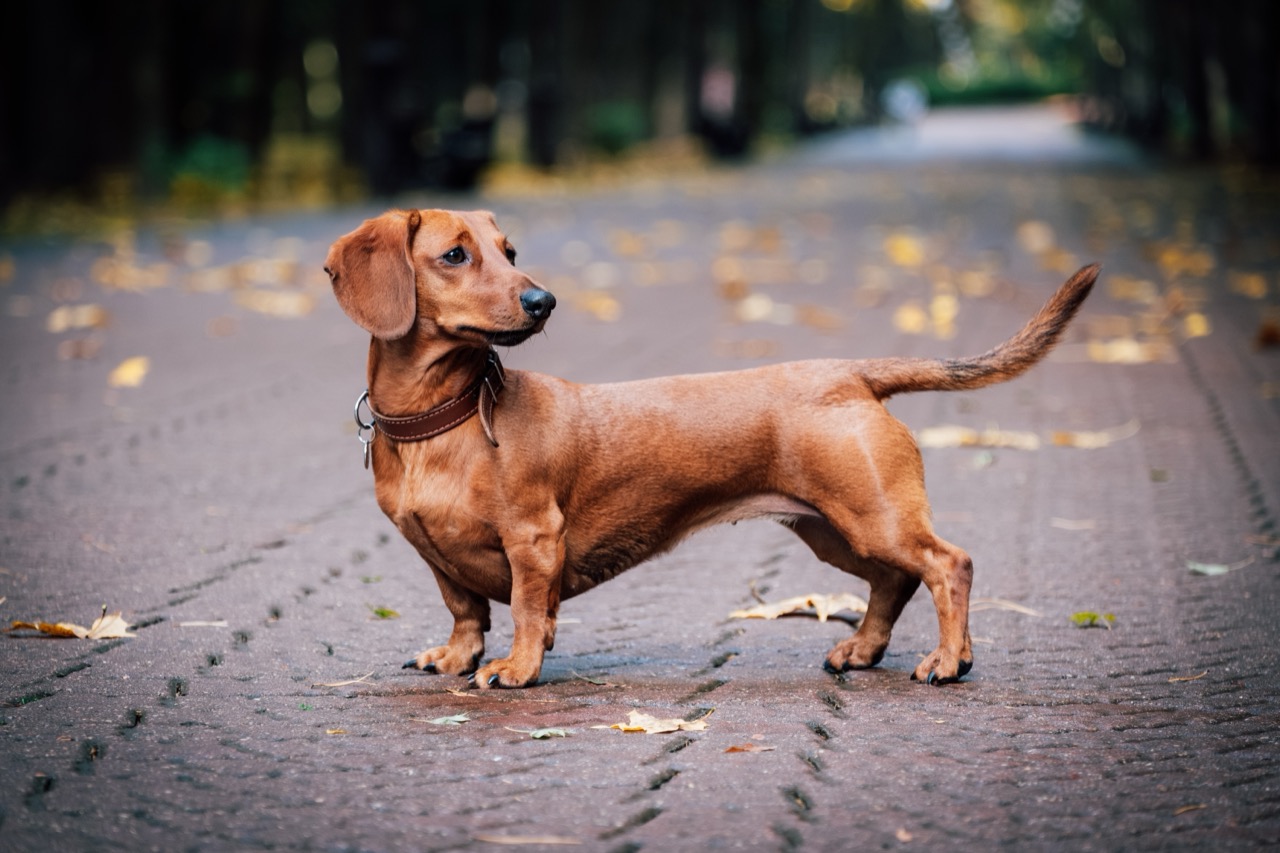


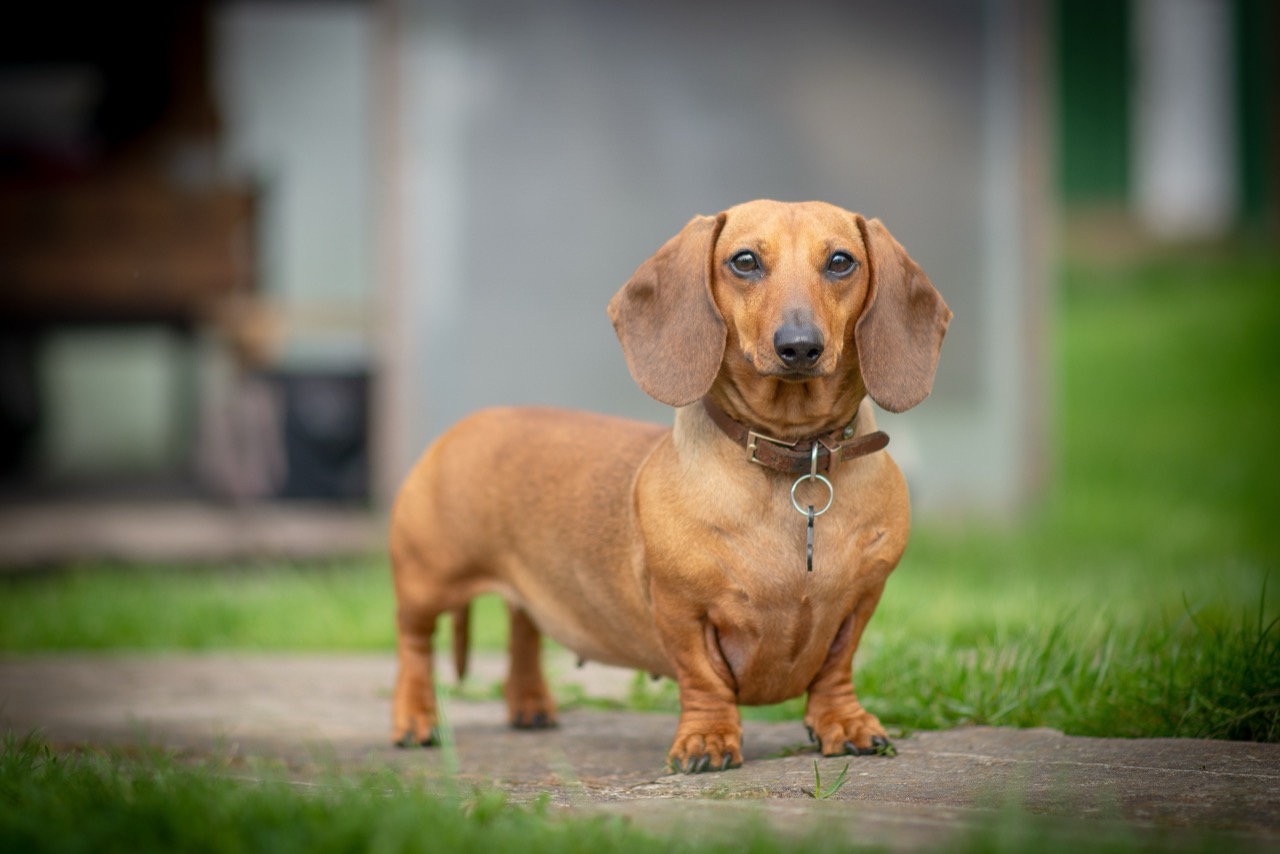

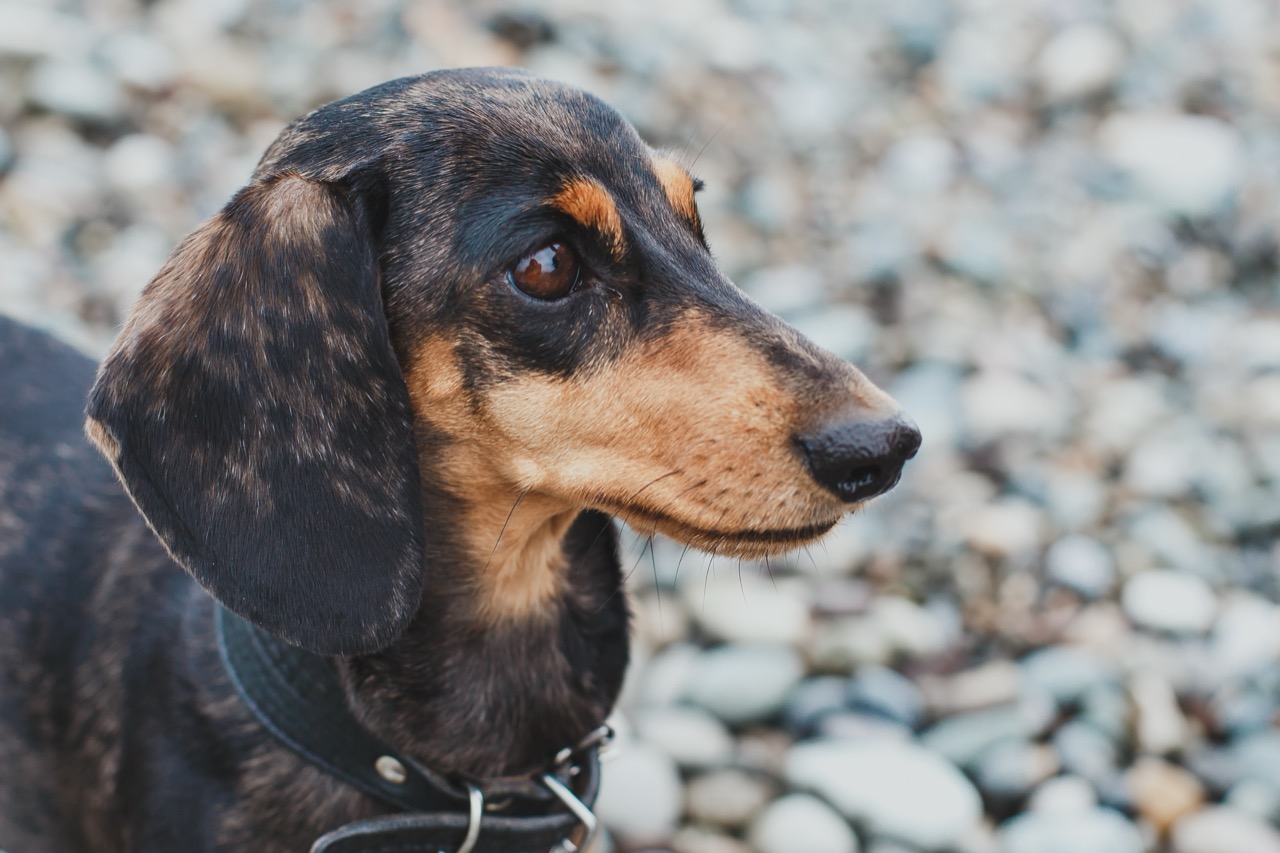

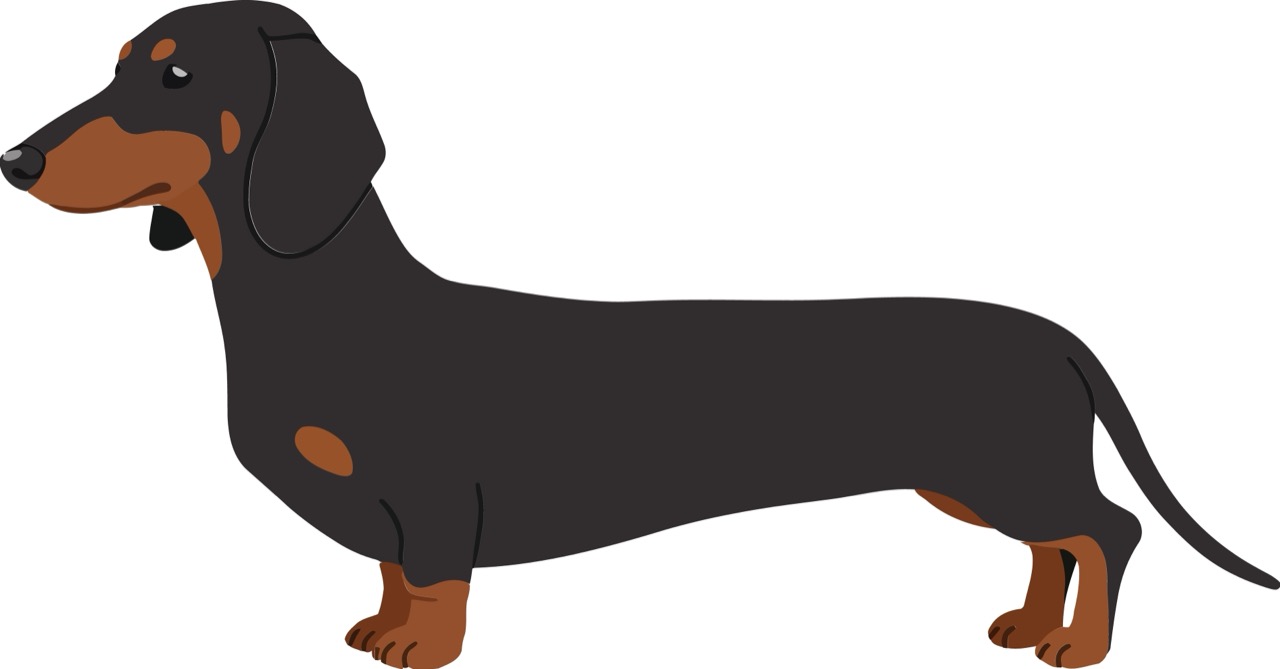
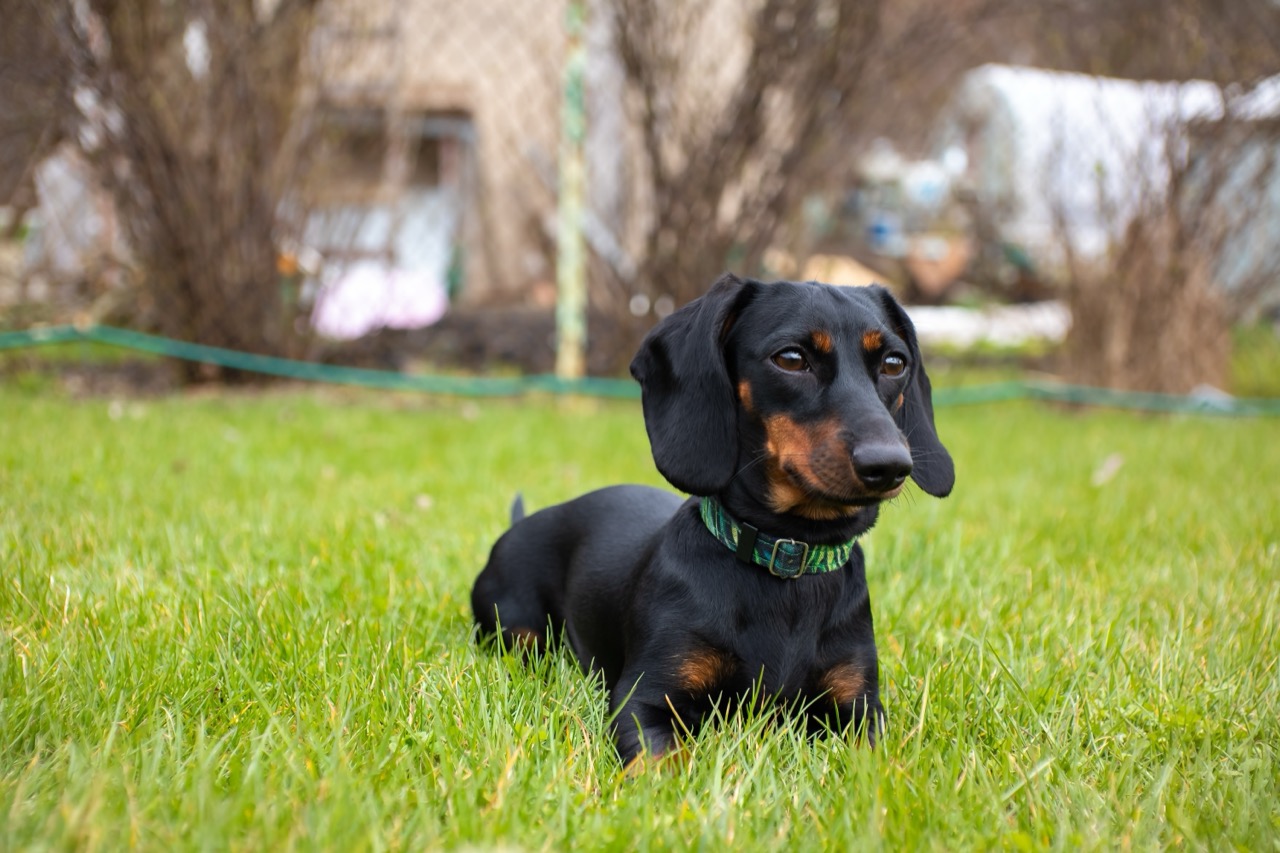

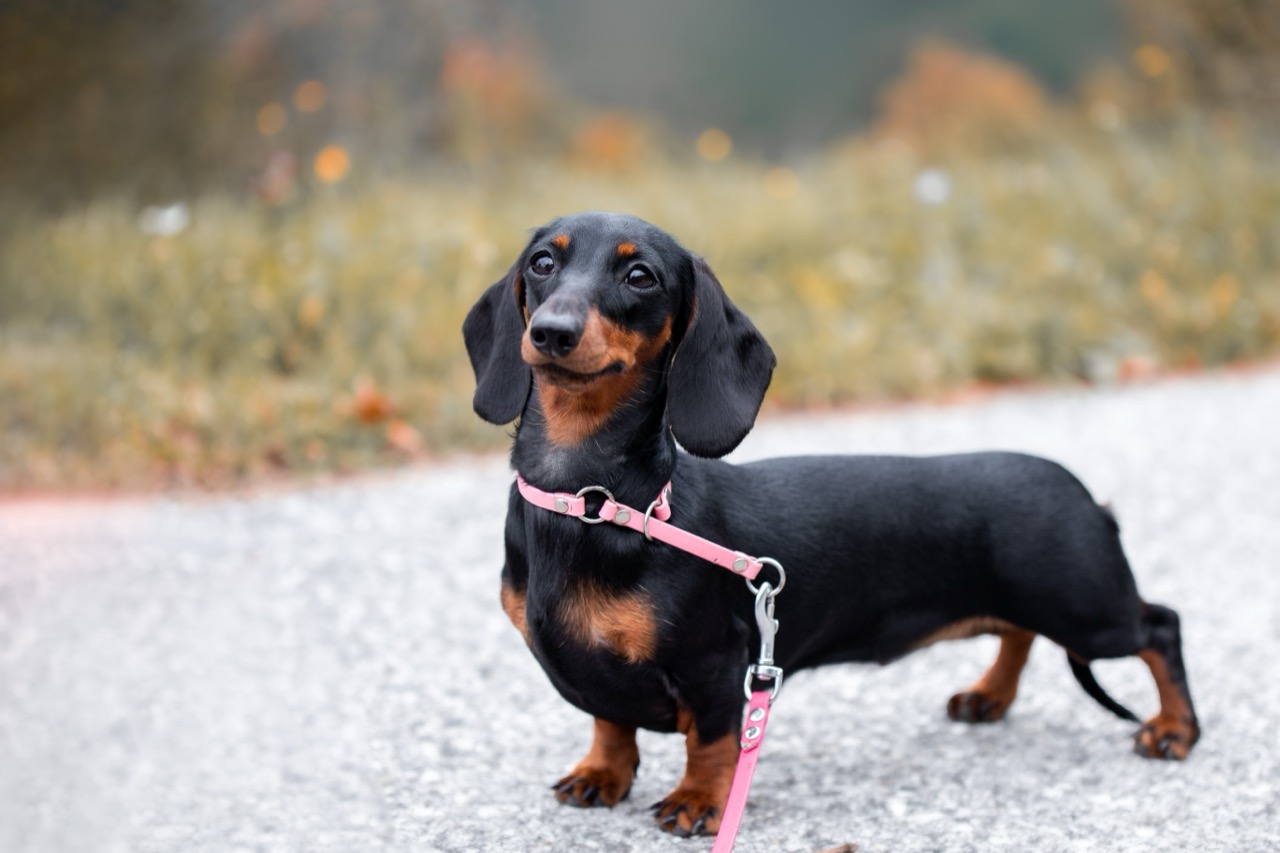
Few dogs turn heads like the classic low rider: short legs, a long back, and a confident attitude that can fill a room. Often recognized as the Dachshund, this breed has a history and a set of care needs that surprise many first time owners. Understanding what makes these dogs unique is the difference between a cute companion and a truly thriving one.
Origins and personality Dachshunds were developed in Germany as determined hunters, originally bred to pursue badgers and other burrowing animals. That working background explains a lot of their modern temperament. Many are bold, curious, and vocal, with a strong desire to investigate smells and tunnels, including couch cushions and garden beds. They tend to bond closely with their people and can be affectionate lap dogs, but they also like having opinions. This mix of charm and stubbornness is why training should be consistent and upbeat rather than forceful.
Training that actually works Because they were bred to make decisions on their own, Dachshunds respond best to short, frequent training sessions with clear rewards. Food motivation is common, so owners should use tiny treats and balance them with healthy meals. Harsh corrections can increase anxiety or defensiveness, especially around handling. Early socialization helps them feel comfortable with visitors, children, and other pets. House training can take patience, particularly in cold or wet weather, so routines, praise, and predictable potty breaks matter.
Exercise and back safety Their long spine is not just a cute feature. Dachshunds are prone to intervertebral disc disease, a painful condition that can cause mobility problems. The goal is not to avoid activity, but to choose the right kind. Daily walks, sniffing time, and gentle play keep muscles strong without excessive impact. Jumping on and off furniture, racing up and down stairs, and rough tackling games can increase risk. Many owners use ramps or steps for couches and beds and limit stair access with gates. Keeping nails trimmed also helps with traction and reduces slips that can strain the back.
Weight control is a health tool One of the most important routines for this breed is maintaining a lean body condition. Extra weight adds stress to the spine and joints and can worsen breathing and heat tolerance. A good rule is that you should be able to feel ribs with light pressure and see a defined waist from above. Measure meals, limit table scraps, and use play or praise as rewards when possible.
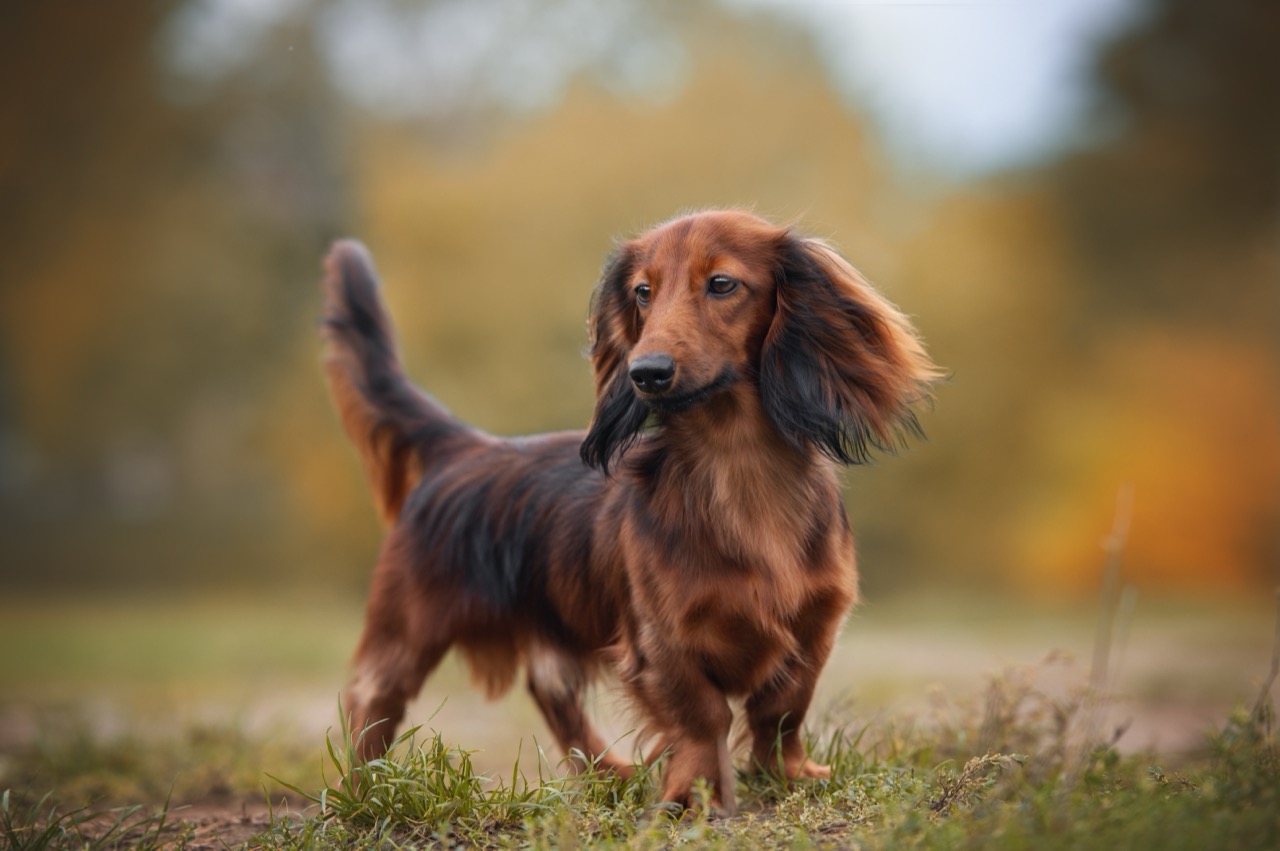
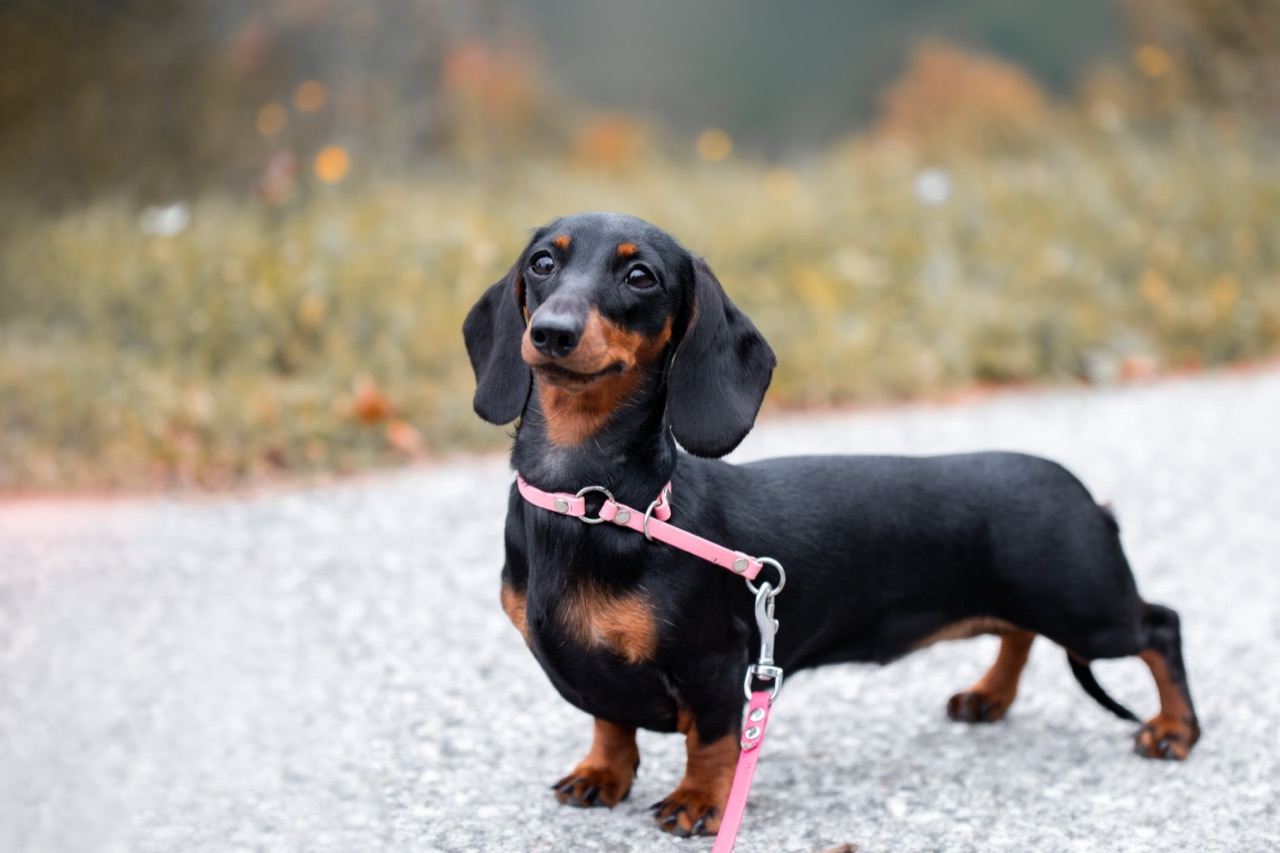
Coat varieties and grooming needs Dachshunds come in smooth, long haired, and wire haired coats, and each has different upkeep. Smooth coats are easy but still benefit from regular brushing to reduce shedding. Long haired dogs need more frequent brushing to prevent tangles, especially behind the ears and on the legs. Wire haired coats may require specialized grooming, sometimes including hand stripping, and they can collect debris in the beard and eyebrows. Across all types, ear checks are essential because their floppy ears can trap moisture.
Common myths to avoid A frequent misconception is that these dogs are too fragile for real exercise. In reality, appropriate activity strengthens them and supports mental health. Another myth is that they are simply yappy. Many bark because they are alert and protective, so teaching a quiet cue and providing enrichment can reduce noise. Finally, some people assume their size makes them low maintenance. Their structure and personality mean they often need more planning, not less.
Conclusion The low rider lifestyle is full of laughs, loyalty, and plenty of attitude in a compact package. With smart training, safe exercise, careful weight management, and coat appropriate grooming, this long bodied companion can enjoy a healthy, lively life. The best part is that learning these details does not just help you score well in a quiz. It helps you become the kind of owner this iconic breed deserves.