



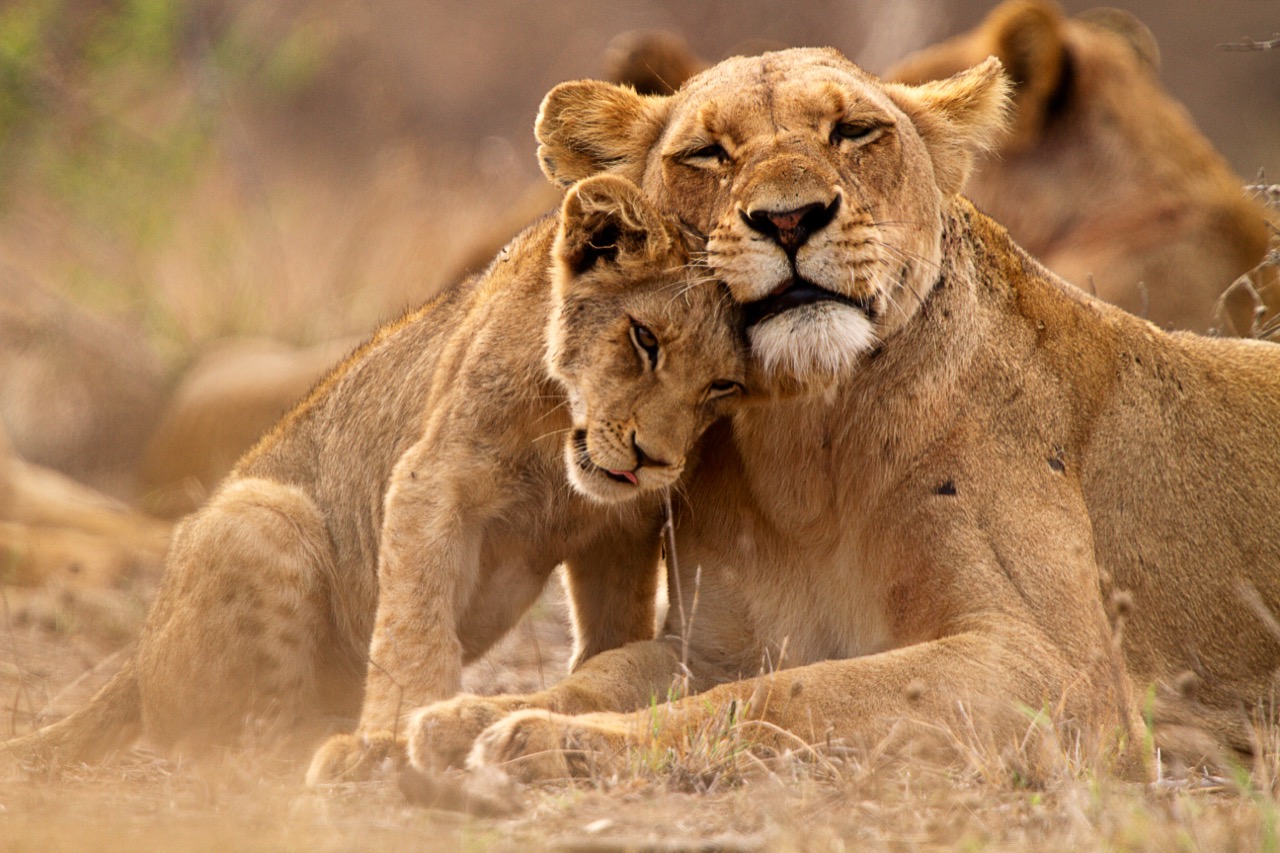
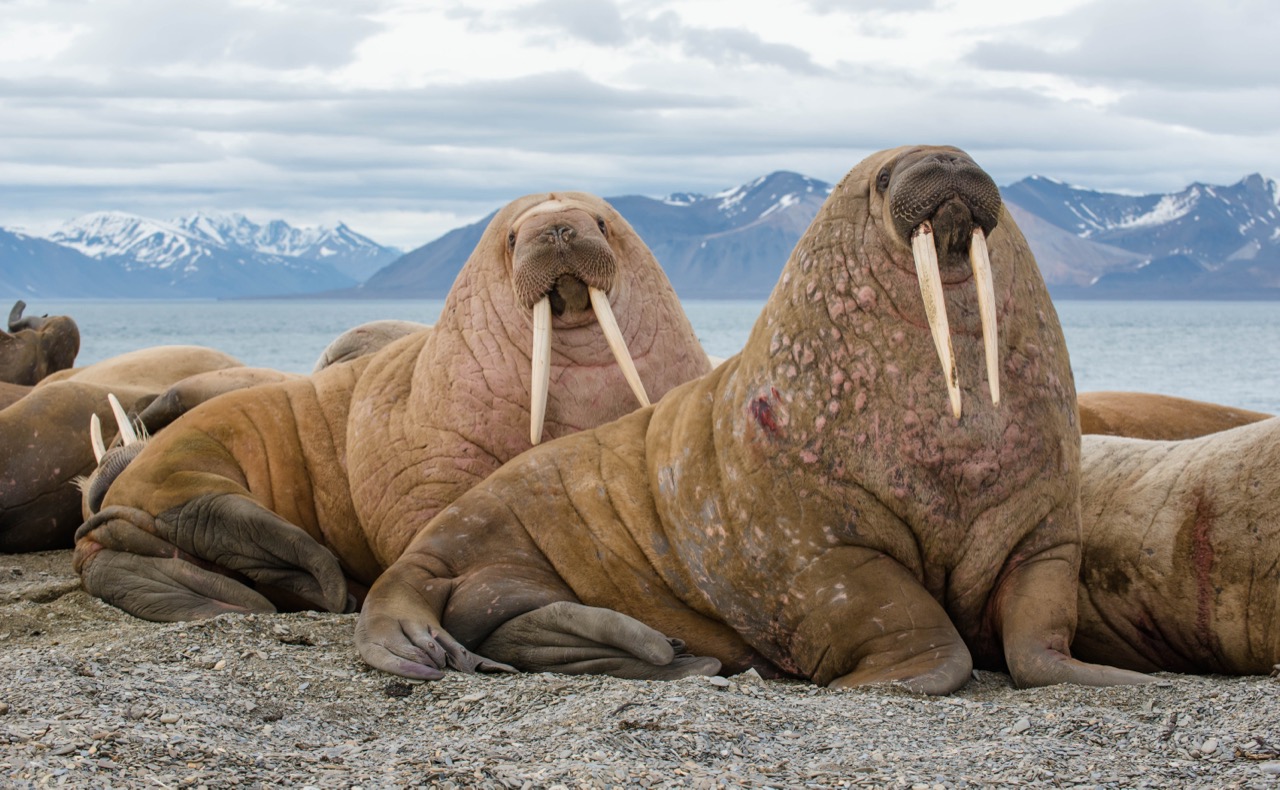
Mammals feel familiar because many live alongside us, yet they are also one of the most inventive groups in the animal kingdom. They share a few defining traits: they are warm blooded, they have hair or fur at some stage of life, and mothers produce milk to feed their young. Beyond that, mammals have evolved an astonishing range of solutions for finding food, staying safe, and raising offspring in habitats from polar seas to desert burrows.
One reason mammals thrive is temperature control. Being warm blooded lets them stay active in cold or changing climates, but it costs energy. Fur, fat, and behavior help manage that cost. Sea otters, for example, rely on extremely dense fur to trap air for insulation, while whales and seals use thick blubber. In hot places, many mammals avoid overheating by being nocturnal, resting in shade, or using large ears as radiators, as seen in fennec foxes and elephants.
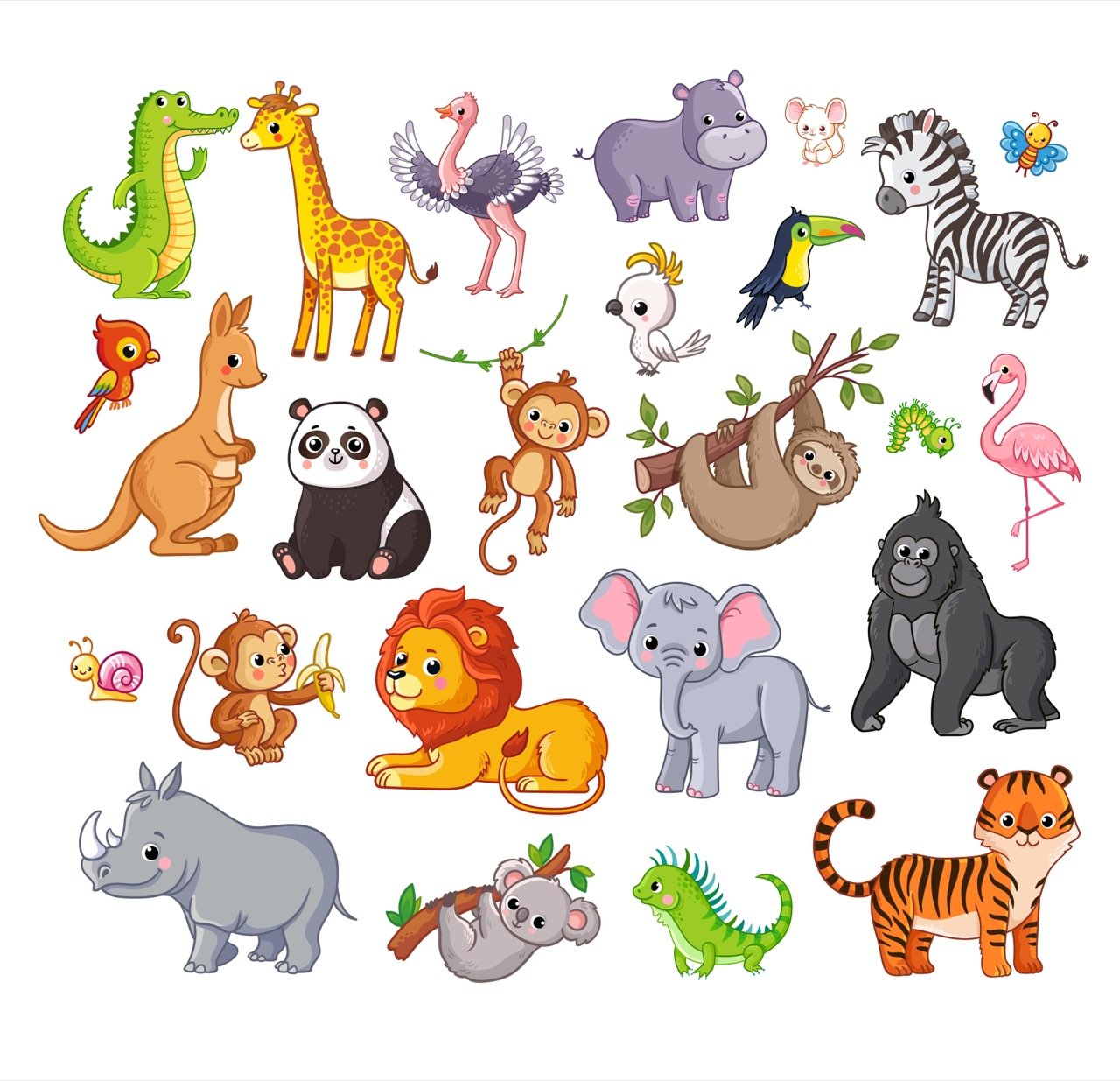
Feeding young is another mammal hallmark, and it shapes behavior. Milk is not all the same. Some marine mammals produce milk so rich in fat that calves can gain weight quickly in icy water. Marsupials, such as kangaroos, give birth to very underdeveloped young that continue growing in a pouch, nursing as they develop. Then there are the monotremes, the famous mammal oddities that lay eggs. The platypus and echidnas still produce milk, but without nipples; the milk is secreted onto the skin and lapped up by the young.
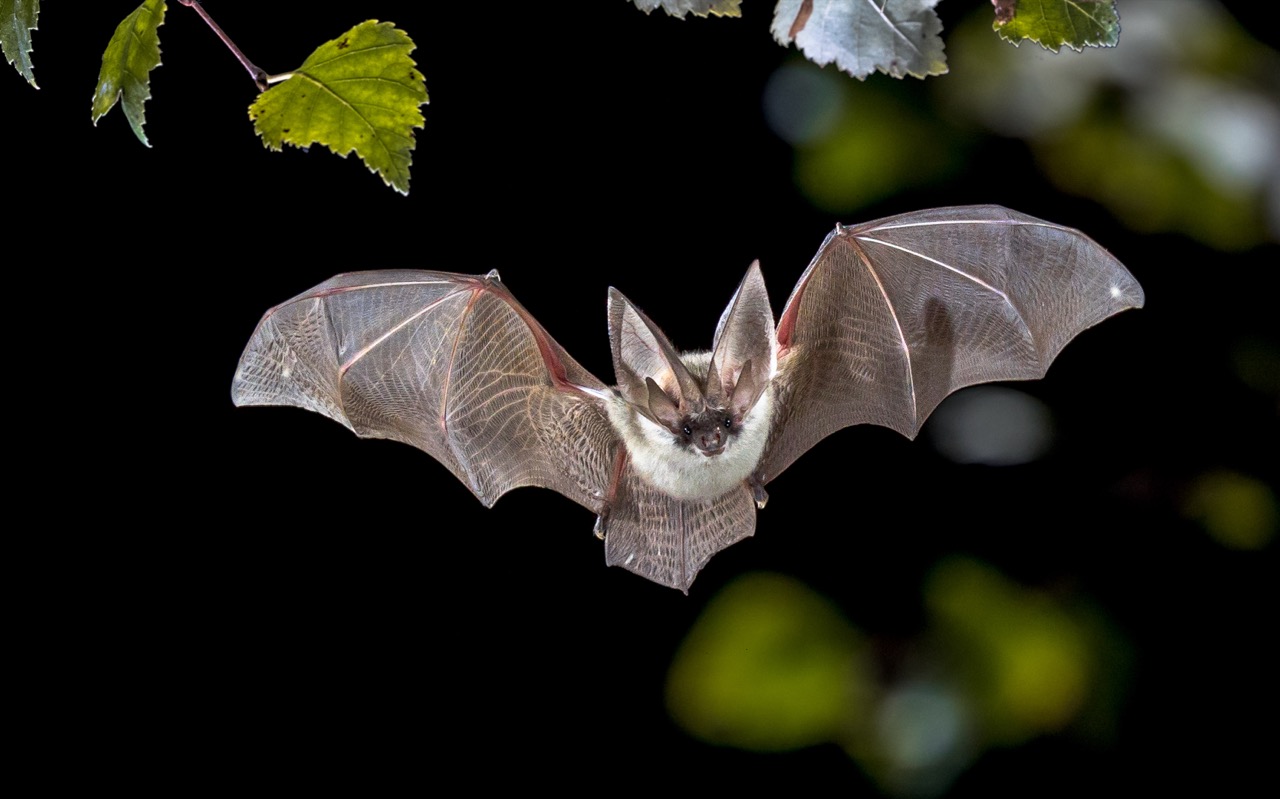
Mammal senses can seem like superpowers. Bats navigate in darkness using echolocation, emitting calls and interpreting returning echoes to map their surroundings and catch insects midair. Many rodents and cats use whiskers to detect subtle air currents and judge gaps. Dogs and other canids have an extraordinary sense of smell, aided by a large area of scent detecting tissue in the nose, which is why they can track trails hours or days old.
Teeth tell a story about diet and evolution. Mammals have differentiated teeth, with incisors for cutting, canines for piercing, and molars for grinding. Carnivores often have shearing teeth for slicing meat, while herbivores tend to have broad grinding surfaces for tough plants. Some mammals take dental specialization to extremes: rodents have ever growing incisors, and elephants use elongated incisors as tusks.
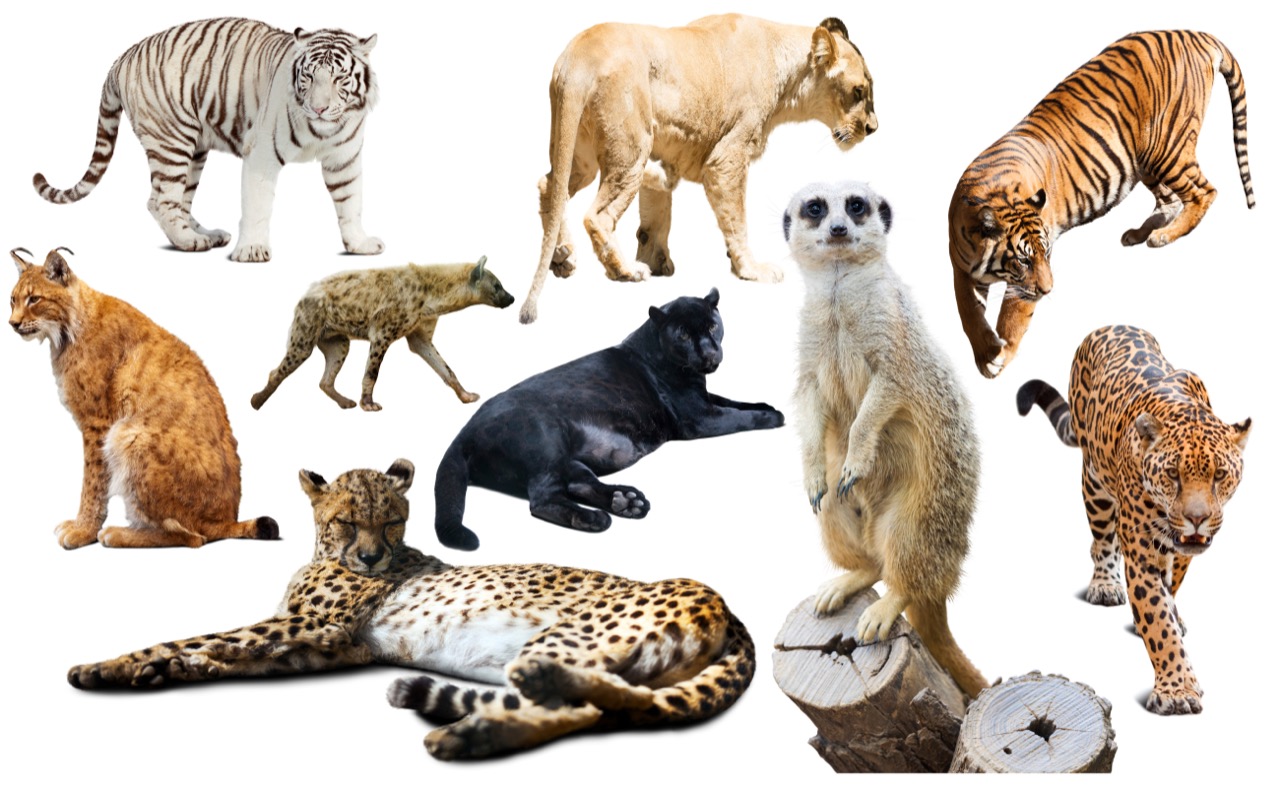
Speed, diving, and venom add more surprises. Cheetahs are built for brief bursts, using a flexible spine and long strides, but they overheat quickly and must rest after a chase. At the other extreme, deep diving mammals like sperm whales can hold their breath for long periods, slowing their heart rate and storing oxygen in muscles. Venom is rare in mammals, but it exists. Male platypuses have venomous spurs that can cause intense pain, and some shrews and slow lorises also use toxic bites.
Social life is just as varied. Wolves coordinate hunts through teamwork and communication, while meerkats post sentries to watch for predators. Other mammals, like many big cats, are mostly solitary. Intelligence and learning help mammals adjust to changing environments, but it also means they can suffer when habitats shrink or food sources disappear.
Mammals are adaptable, clever, and sometimes downright strange. Knowing the facts behind their fur, fangs, senses, and survival tricks makes every quiz question more meaningful and every encounter with wildlife more impressive. The more we understand how mammals live, the better we can protect the habitats that allow these remarkable animals to keep thriving.