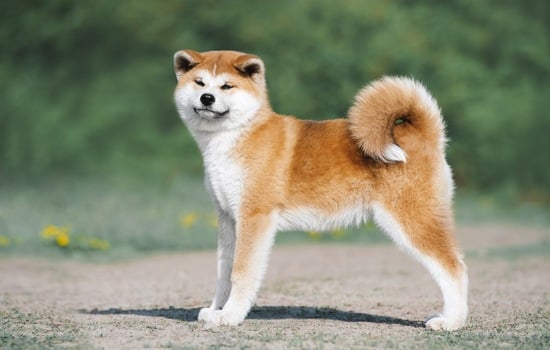
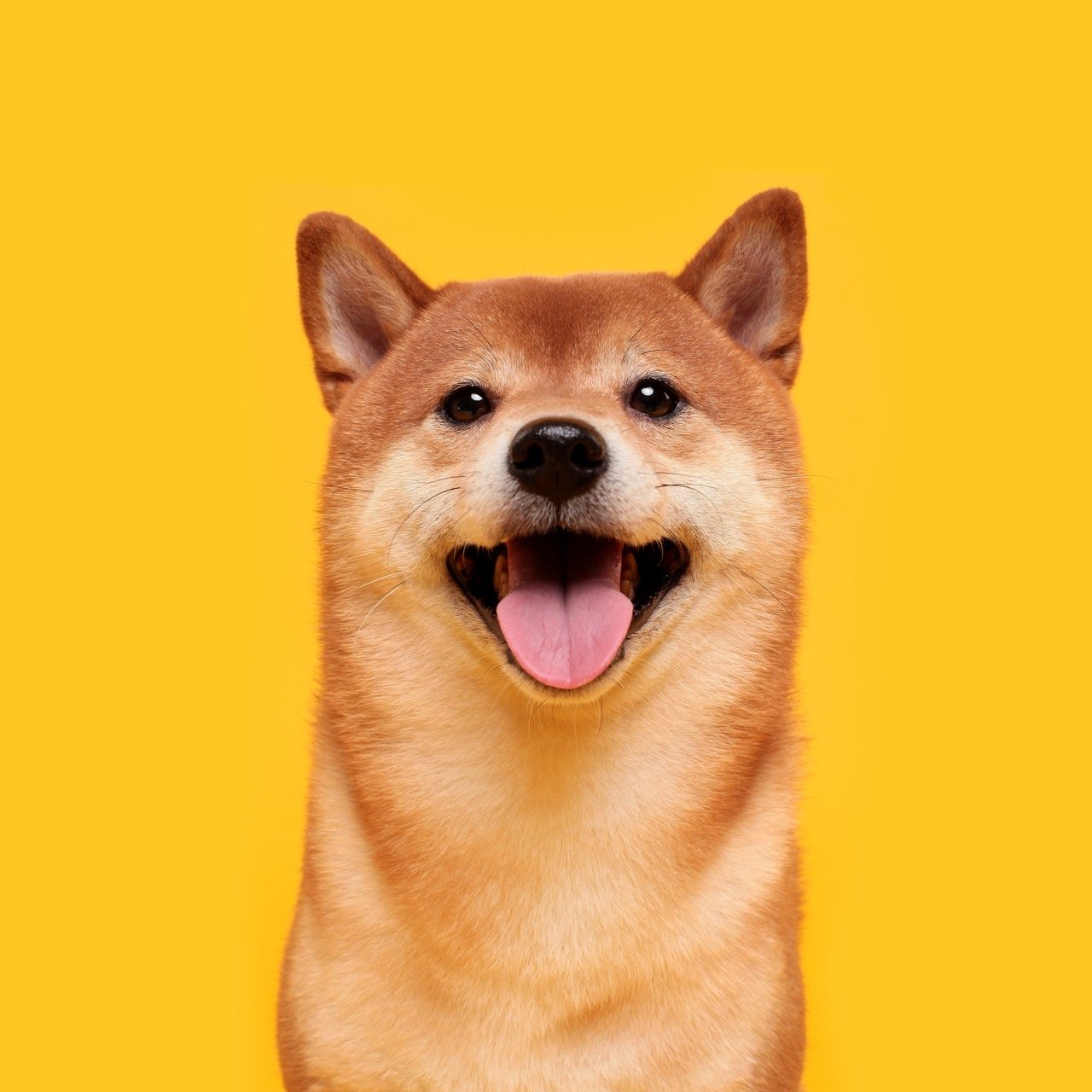
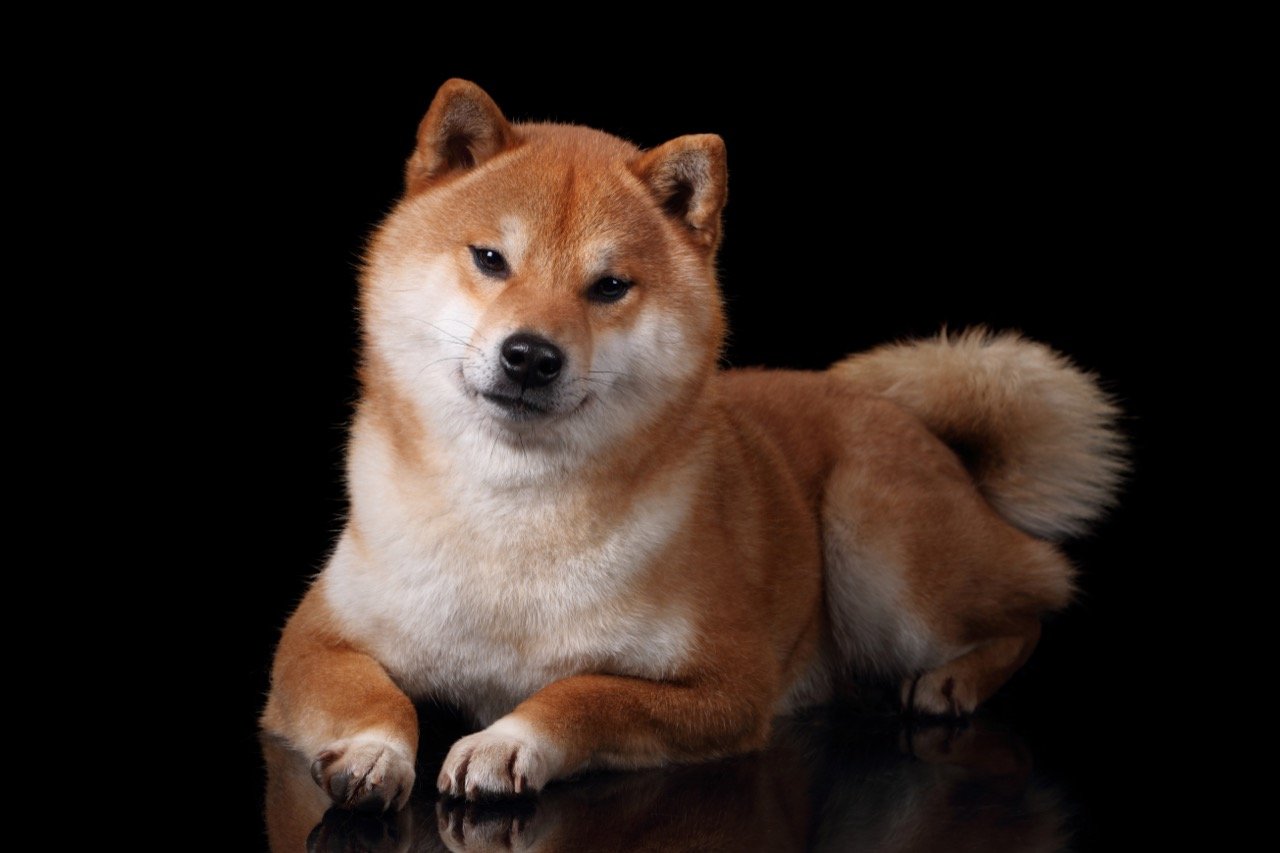
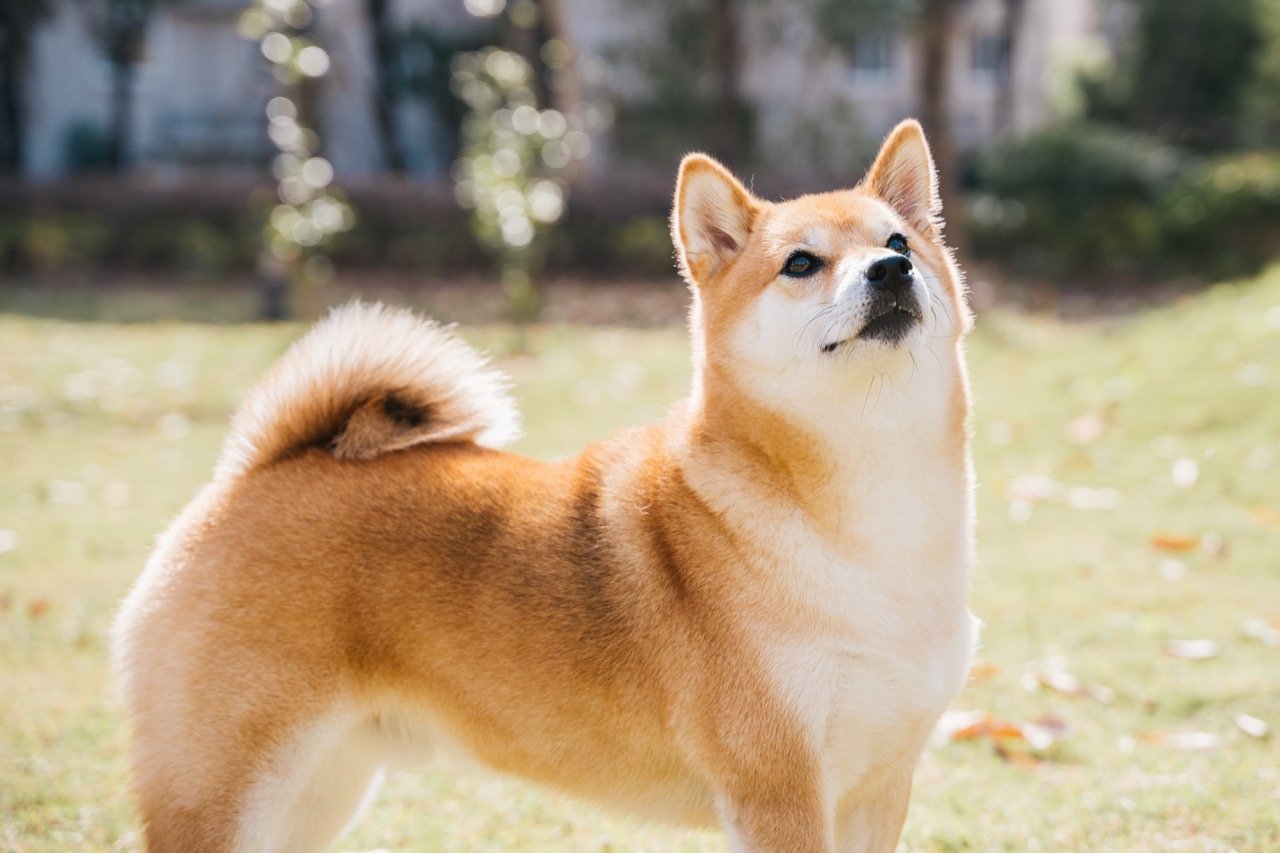
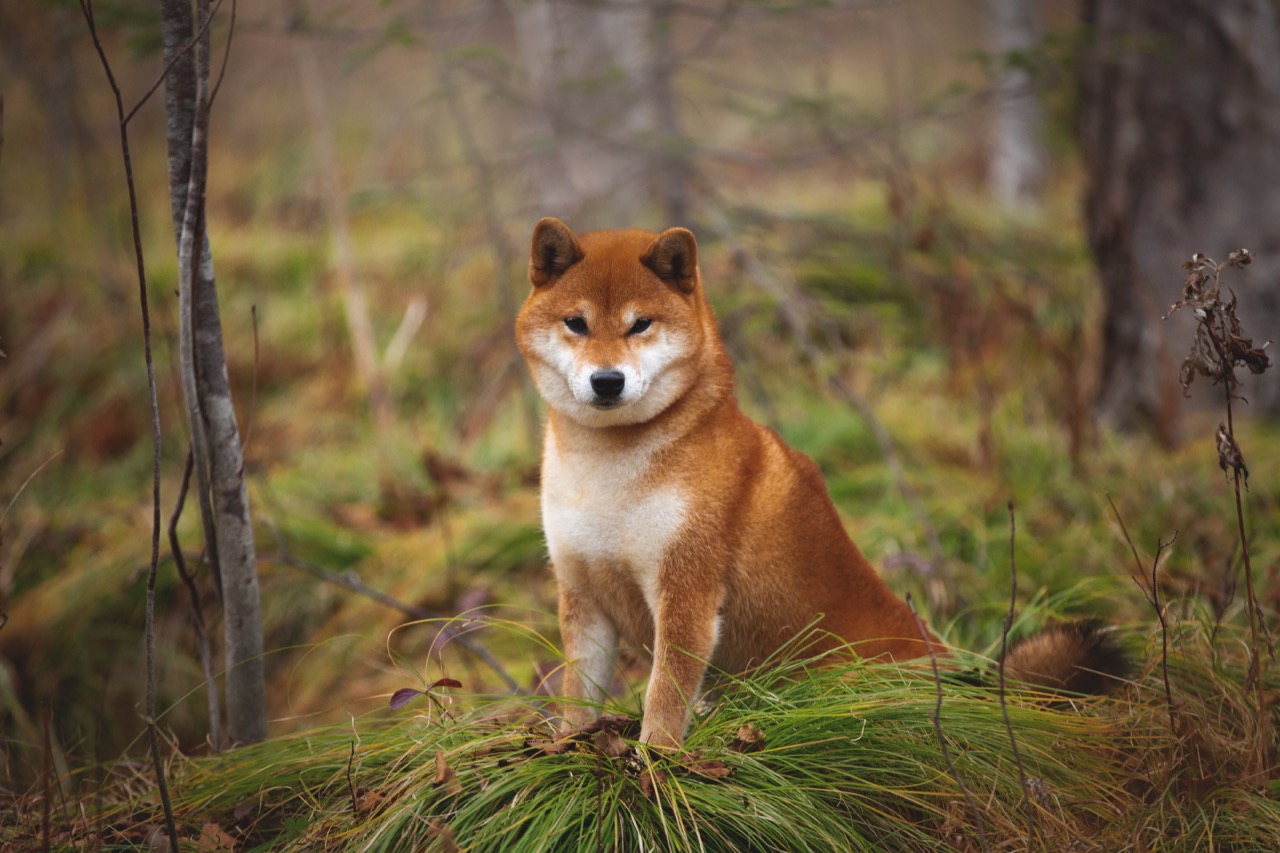
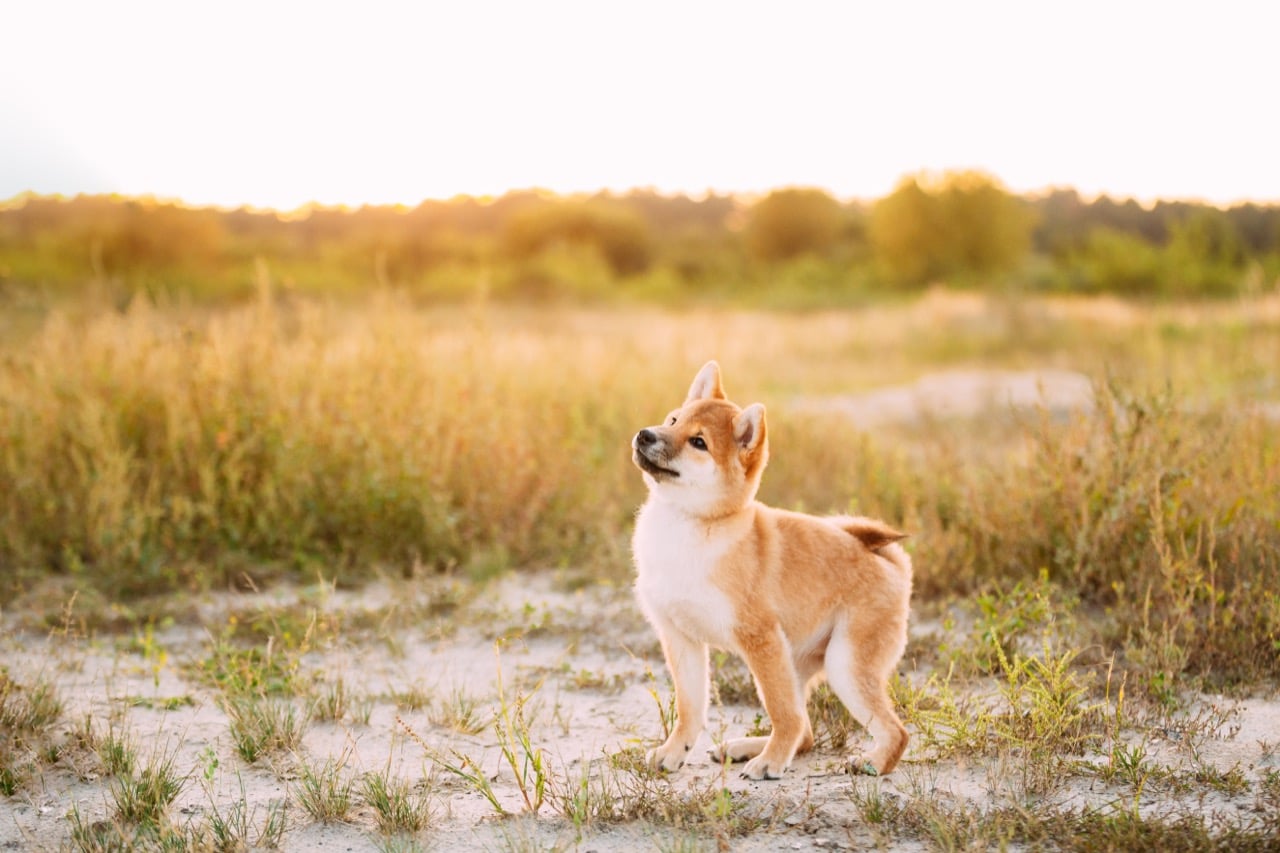
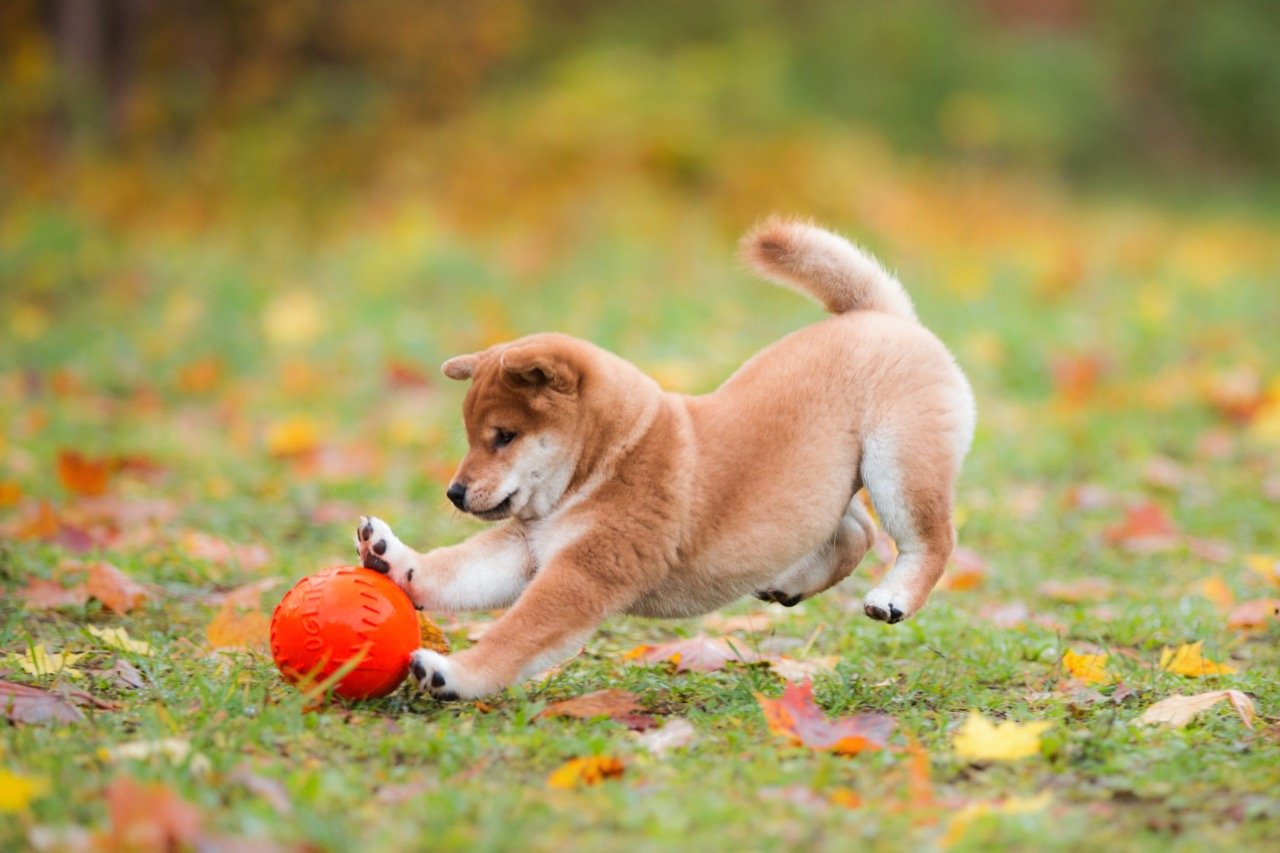
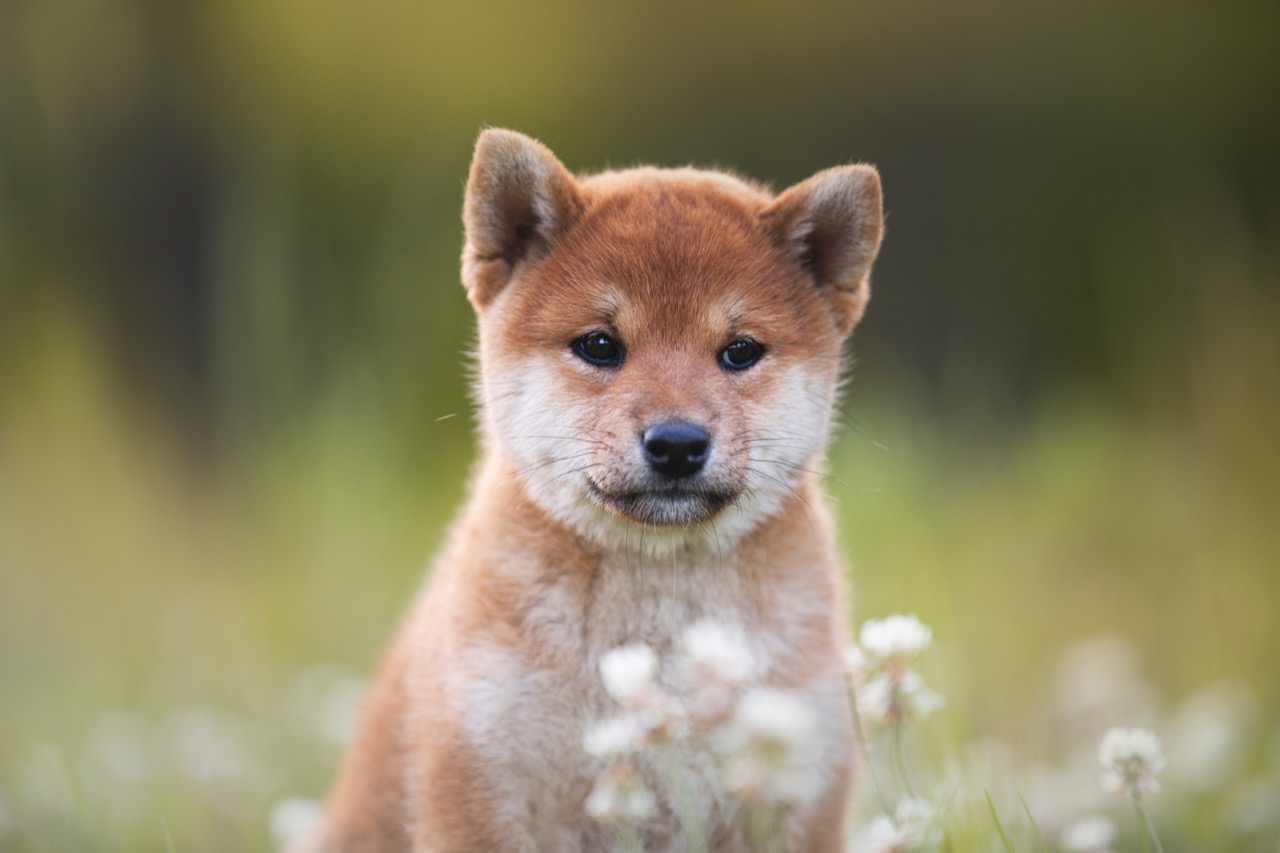
Introduction Small, foxlike, and famously self assured, the Shiba Inu is one of the most recognizable spitz type companion dogs in the world. People often fall for the breed’s alert expression, curled tail, and confident posture, only to discover there is a lot more going on behind that cute face. Learning the Shiba Inu’s history, temperament, and care needs helps explain why this little dog can be both a delightful companion and a serious training project.
Origins and what makes a spitz The Shiba Inu originated in Japan, where it was developed as a hardy hunting dog for birds and small game in rugged terrain. Like other spitz breeds, it has a thick double coat, upright ears, and a tail that curls over the back. The double coat is not just for looks. It is an insulating system designed for weather resistance, which is why it sheds heavily and why shaving the coat is usually a bad idea.
Temperament and the famous attitude Shibas are often described as bold, independent, and catlike. They tend to be clean, observant, and selective about affection. Many are loyal to their household but not automatically friendly with strangers. A common myth is that Shibas are naturally aggressive. In reality, they are typically confident and can be reactive if poorly socialized, pushed past their comfort zone, or handled roughly. Early, positive socialization is essential, especially around other dogs and unfamiliar people.
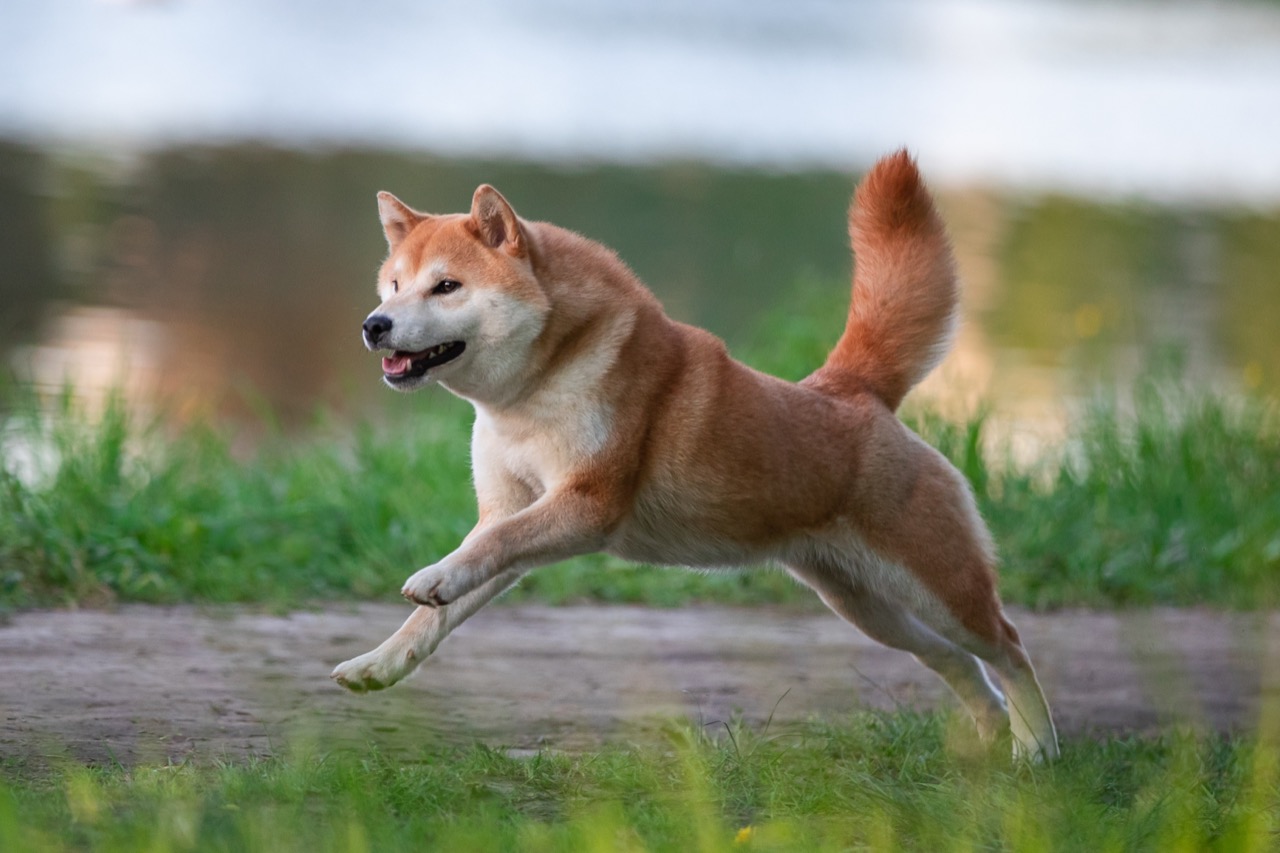
Training and communication quirks Quick intelligence does not always mean eager to please. Shibas learn fast, but they also evaluate whether cooperation benefits them. Training works best with short sessions, clear boundaries, and high value rewards. Harsh corrections often backfire and can increase avoidance or defensive behavior. Reliable recall is a known challenge because many Shibas have a strong prey drive and will chase. Using a secure leash or fenced area is usually the safest choice.
One surprising communication trait is the Shiba scream, a high pitched vocalization some individuals produce when upset, restrained, or overexcited. It is not always a sign of pain, but it is a sign the dog is overwhelmed. Reading body language, such as stiff posture, whale eye, or lip licking, can prevent conflicts long before the noise starts.
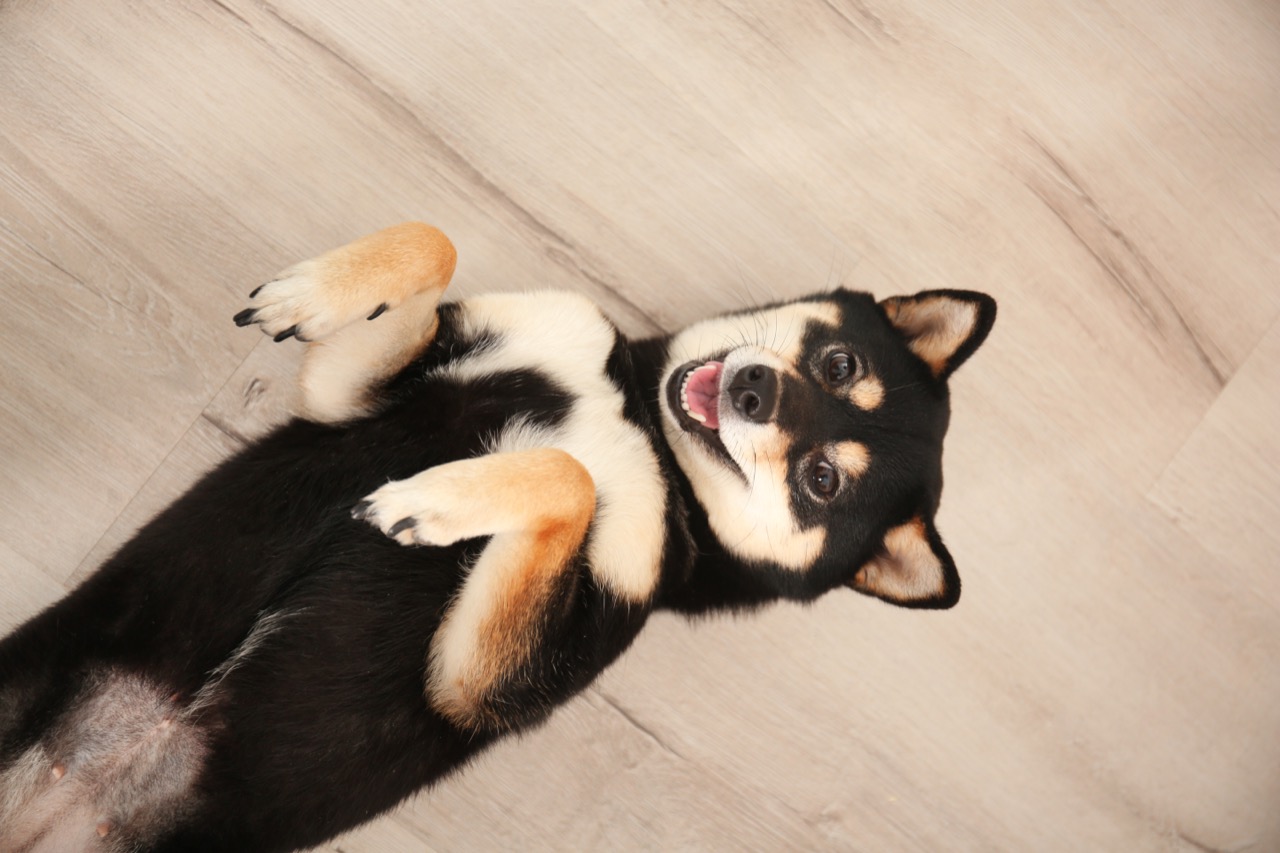
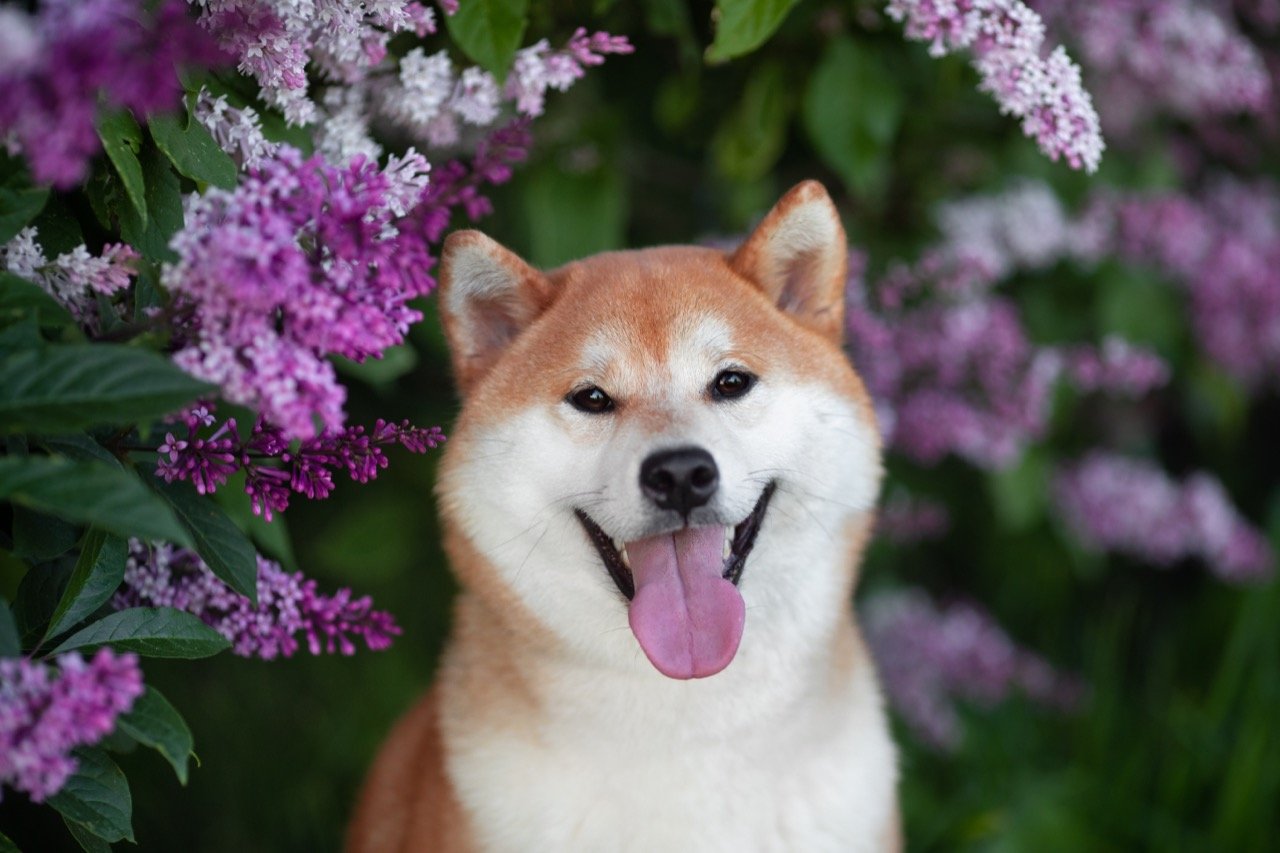
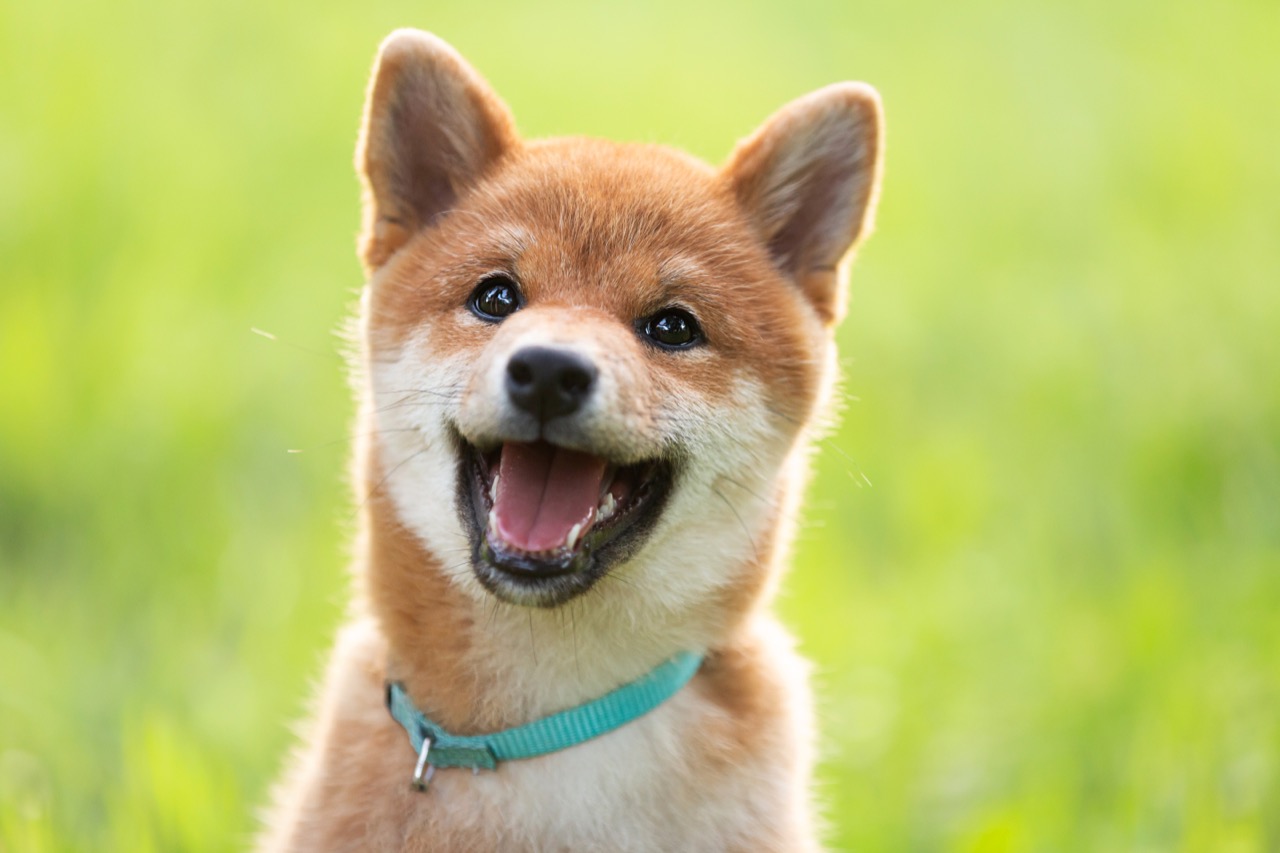
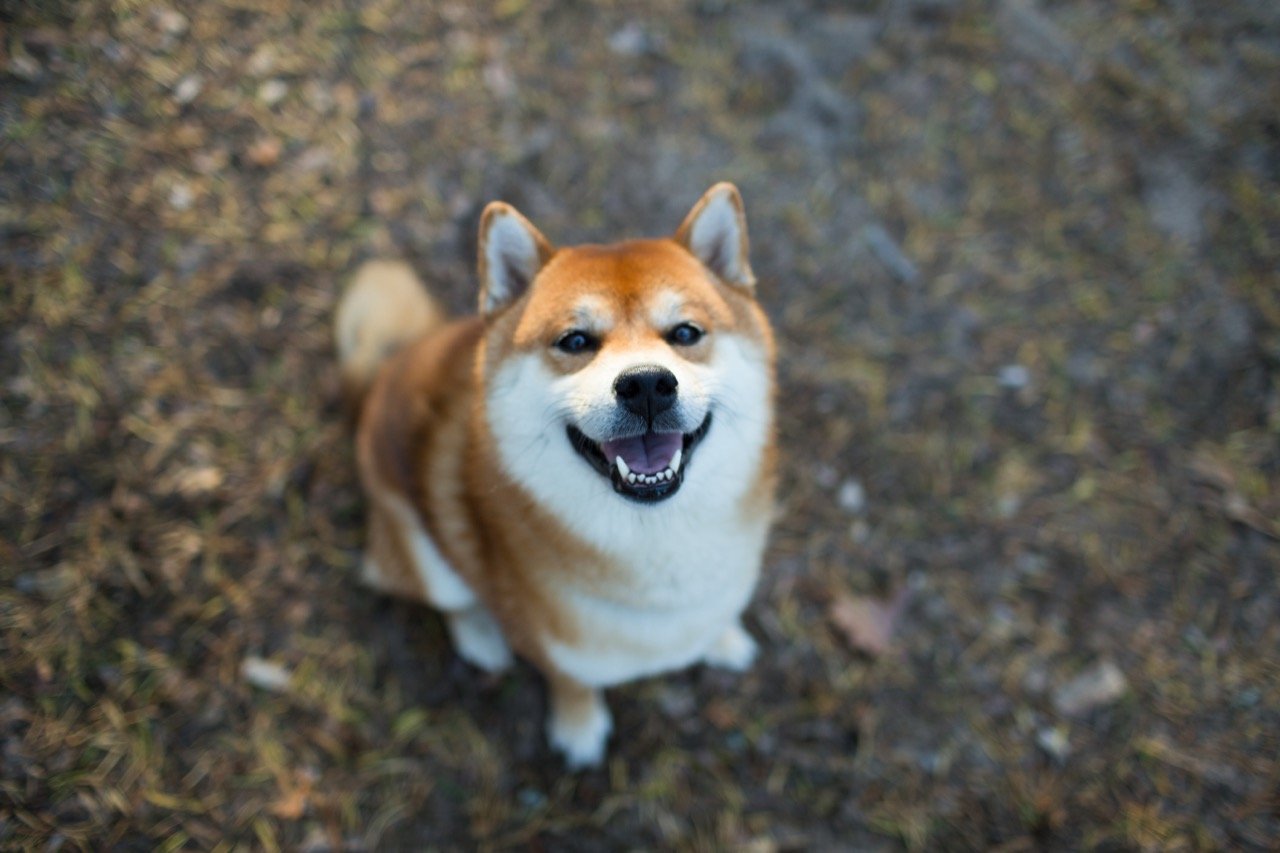
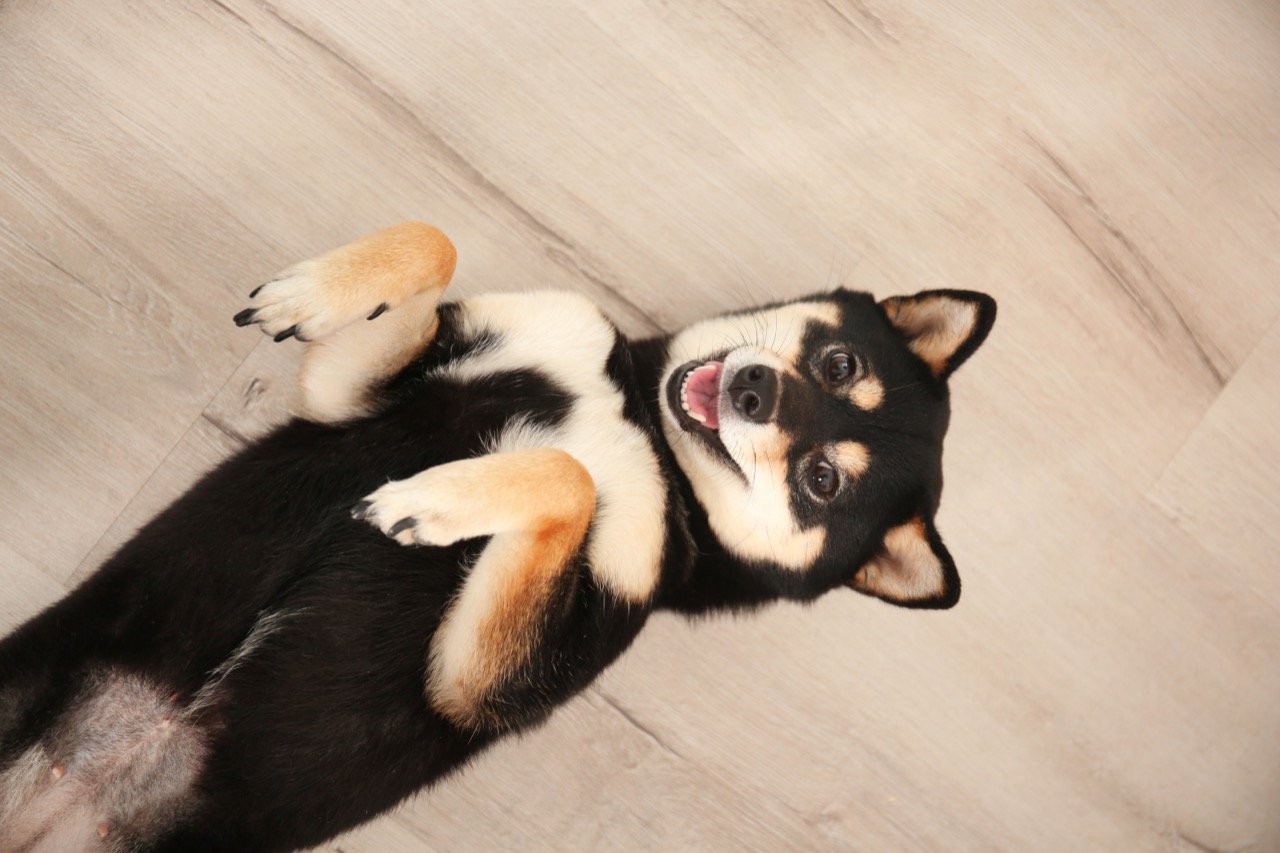
Grooming and seasonal shedding Shiba coats come in several colors, commonly red, black and tan, and sesame variations, with a lighter undercoat pattern called urajiro. The coat is relatively low maintenance most of the year, but twice yearly many Shibas blow their coat, shedding undercoat in dramatic amounts. Regular brushing during these periods helps prevent mats, reduces hair in the home, and supports skin health. Baths can help loosen dead coat, but frequent bathing is not required unless the dog is dirty.
Health and everyday care Shiba Inus are generally sturdy, but they can be prone to issues such as allergies, patellar luxation, hip problems, and certain eye conditions. Responsible breeders screen for inherited risks, and owners should keep up with routine veterinary care. Weight management is especially important because extra pounds can worsen joint strain. Daily exercise should include walks, training games, and safe sniffing time, not just a quick trip outside.
Conclusion The Shiba Inu is a small dog with a big personality, shaped by a history of independence and athleticism. With early socialization, patient training, and realistic expectations, the breed can be a fascinating and rewarding companion. Understanding the coat, the mind, and the quirks separates the myths from the reality, and makes you better prepared for the foxlike firecracker at the heart of this challenge.