

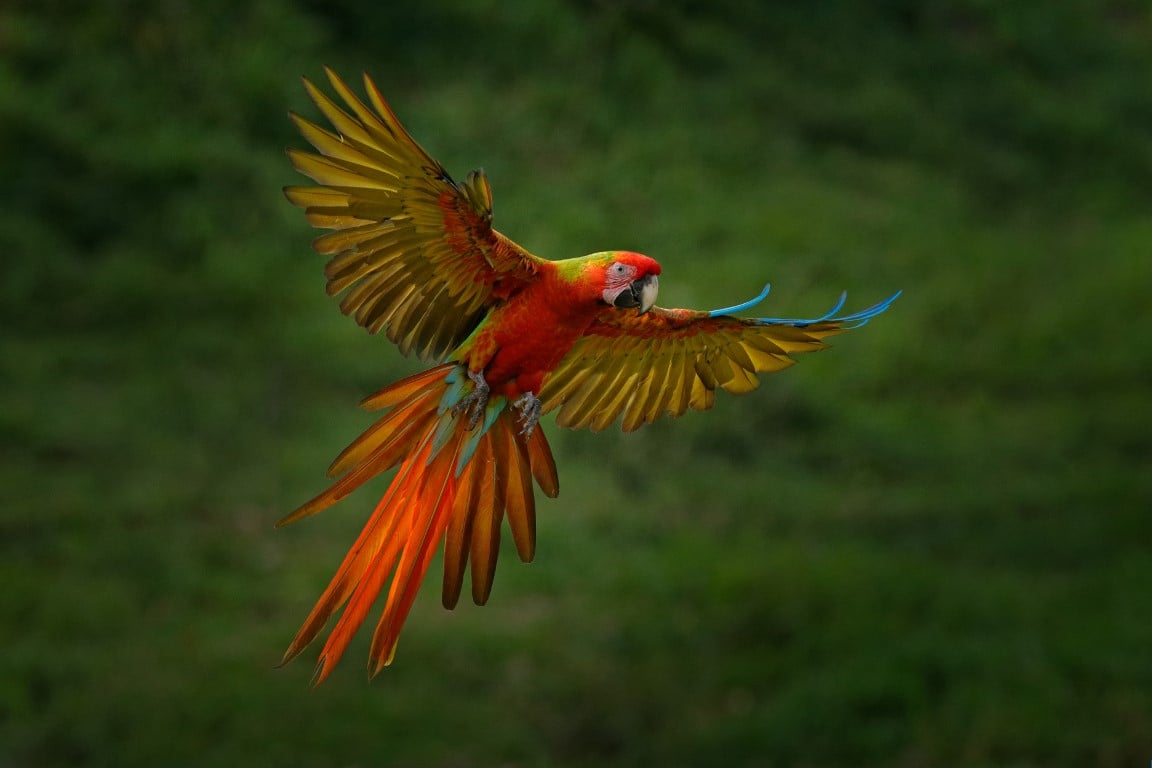
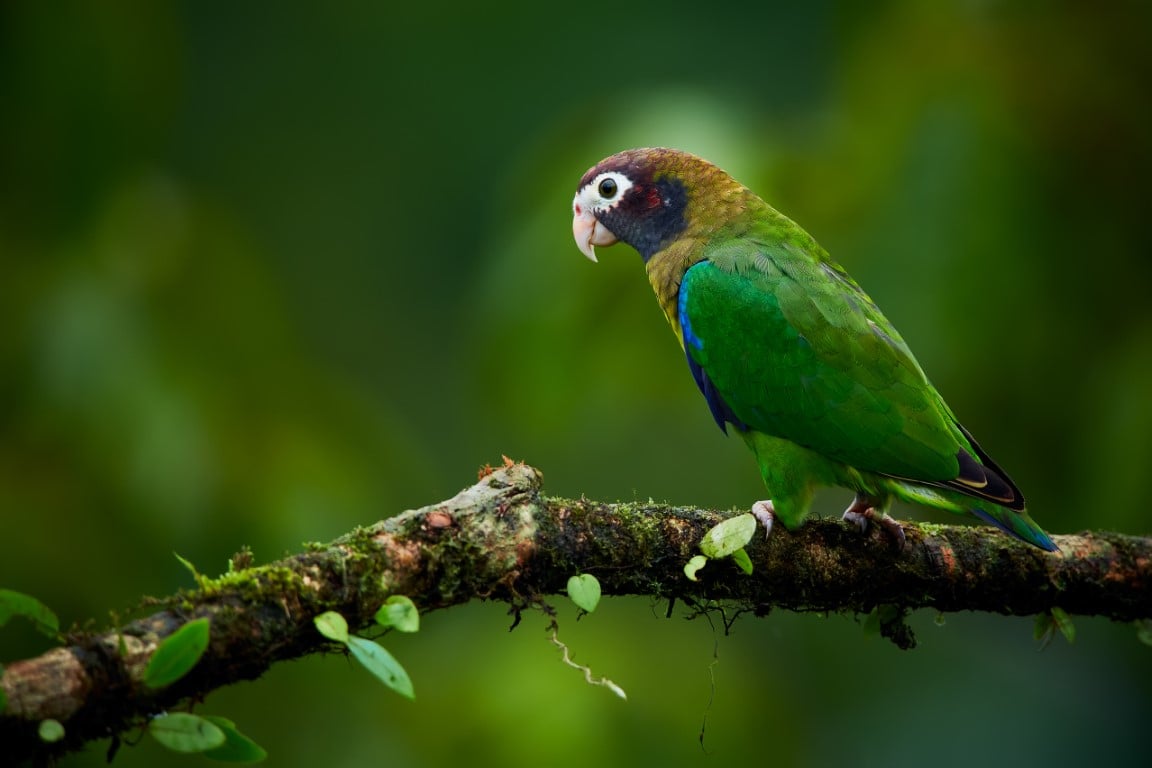




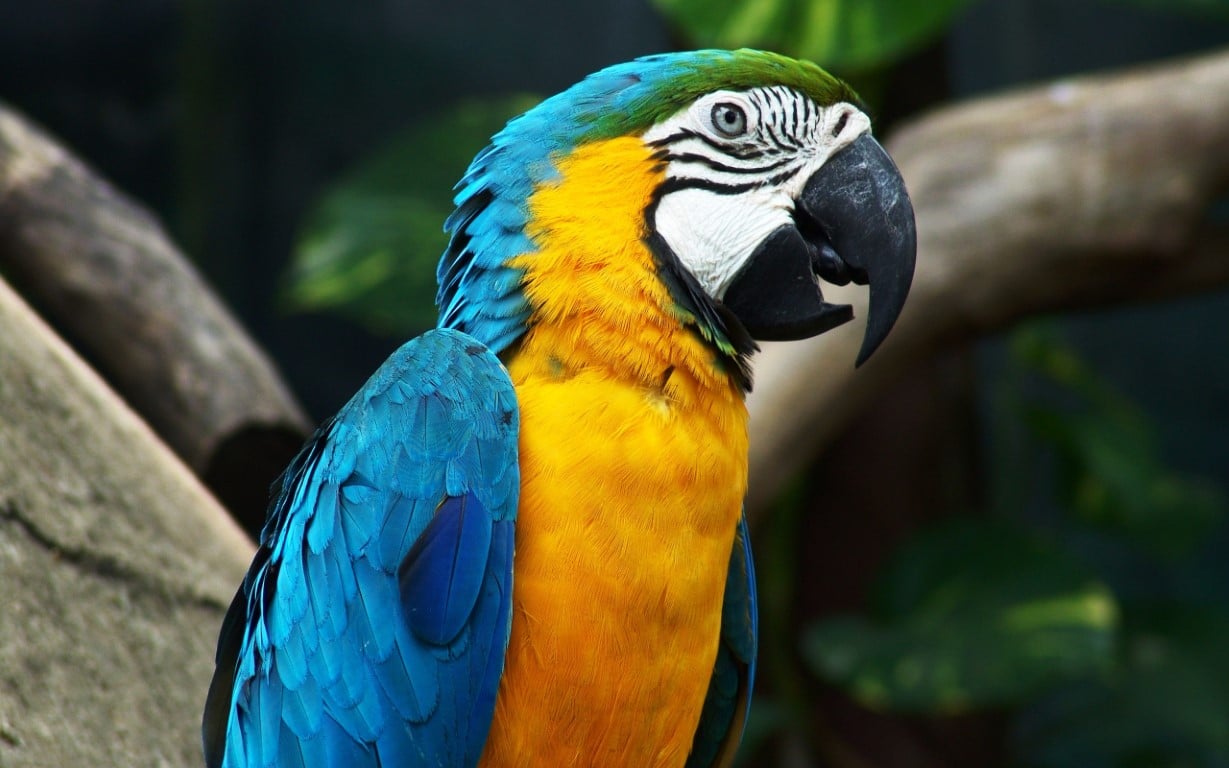
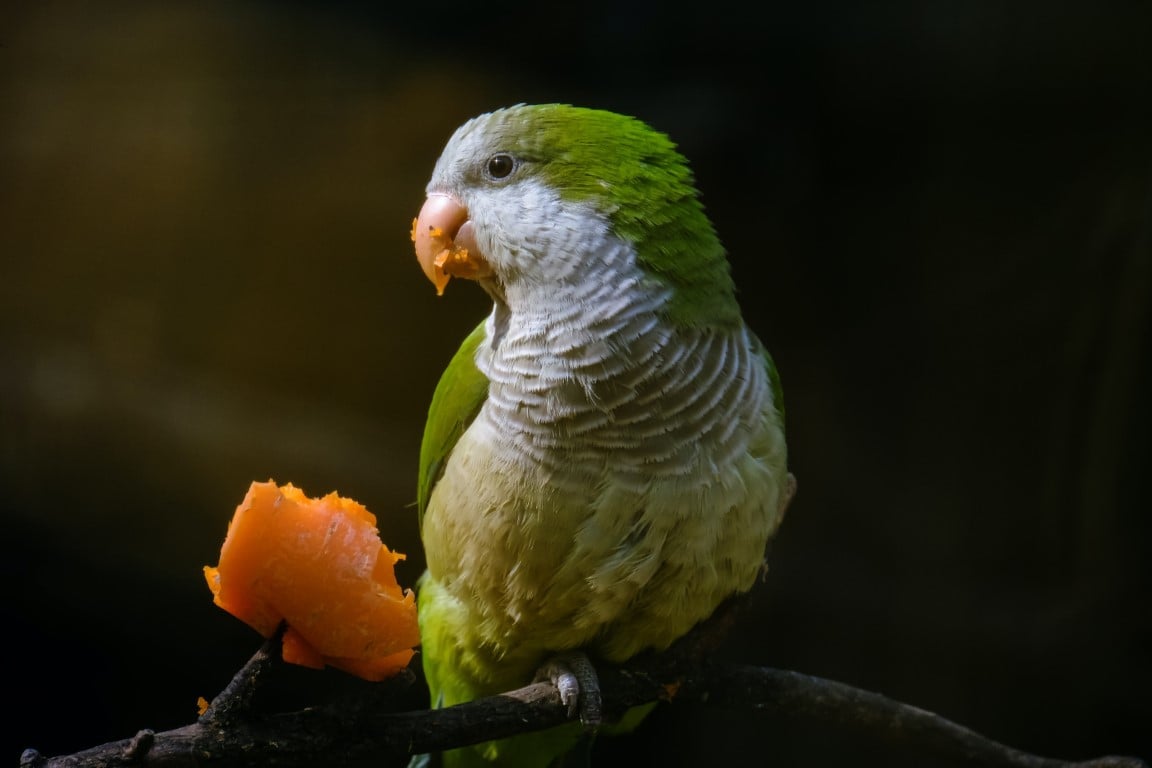

Introduction Parrots and their close relatives are among the most recognizable birds on Earth. Their bright colors and bold personalities make them famous, but their real magic is in how they think, communicate, and live together. From rainforest canopies to dry savannas and cool mountain forests, these birds have evolved impressive tools for survival, including powerful beaks and feet built for climbing. Understanding what makes them tick adds a whole new layer of appreciation to every squawk, whistle, and perfectly timed mimic.
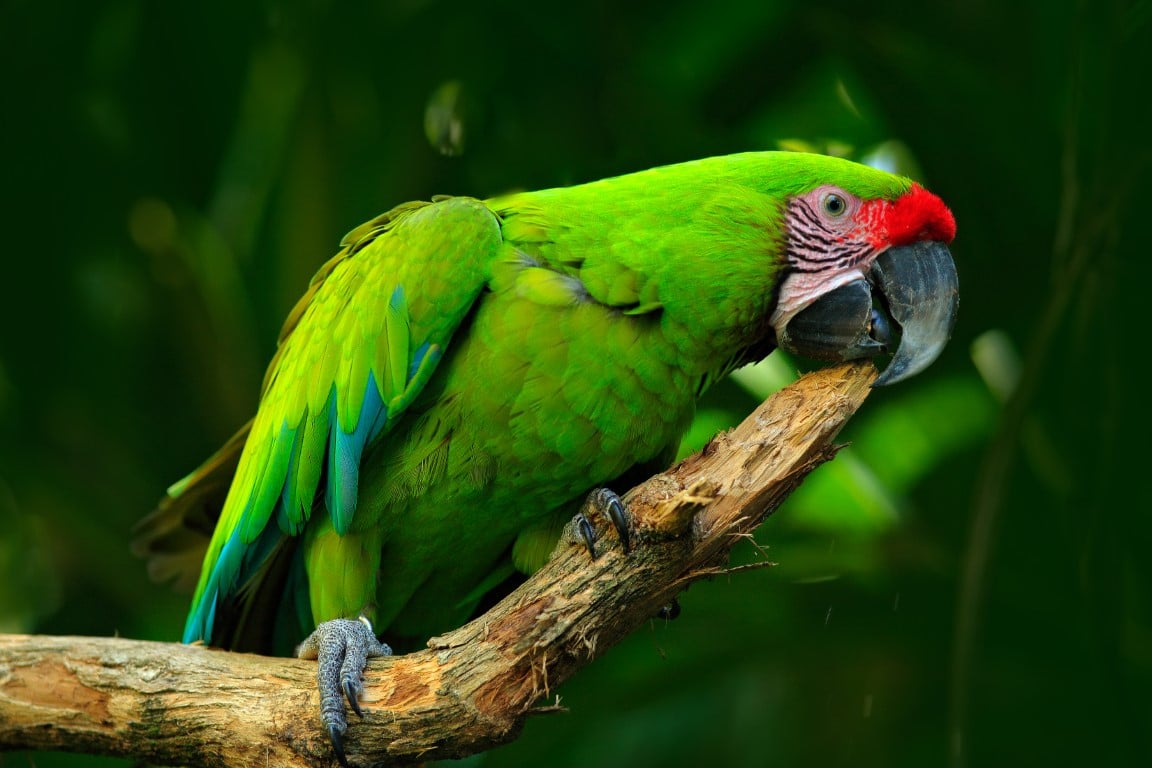
Brains, Beaks, and Built In Tools Many parrots have large brains for their body size, and they use that brainpower in practical ways. In the wild, problem solving can mean figuring out how to open a tough seed pod, remembering where fruit trees ripen at different times, or learning which areas are safest from predators. Their beaks are more than just mouthparts. They act like multi purpose tools for cracking nuts, stripping bark, digging into fruit, and even helping them climb. Their feet are another standout feature. Most parrots have zygodactyl feet, with two toes pointing forward and two backward, giving them a strong grip. This lets them hang, climb, and hold food like a hand, bringing items to the beak with surprising precision.
The Secret Life of Sound and Speech Parrots do not mimic sounds just to entertain humans. In nature, vocal learning helps them fit into a social group, recognize mates, and coordinate movement through dense habitat. Young birds often learn calls by listening to parents and flock members, and some species develop local call dialects, like regional accents. Mimicry can also be a form of social bonding. When a bird repeats a familiar sound, it may be reinforcing connection, not performing. Their voices can travel far, which is useful in forests where visibility is limited. Some species are famous for their vocal abilities, such as African grey parrots, Amazon parrots, and budgerigars, but many less celebrated species also have complex call repertoires.
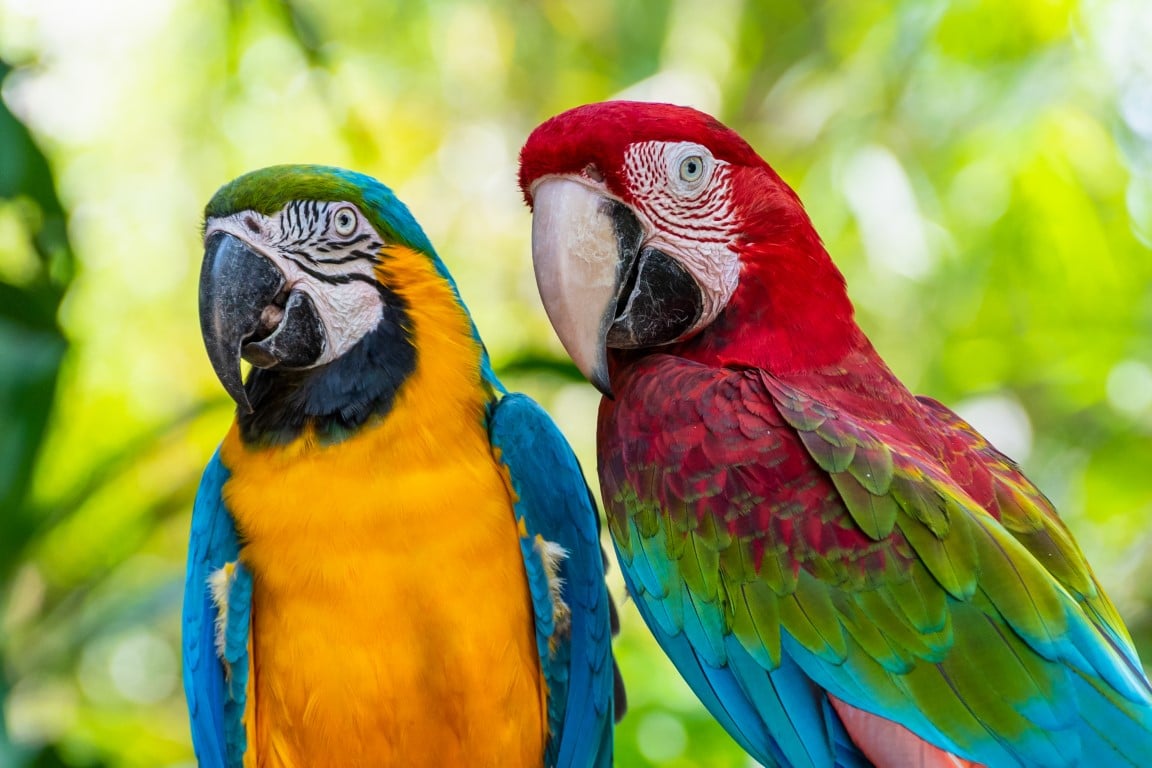
Social Bonds and Daily Routines Parrots are often deeply social. Many live in flocks that provide extra eyes for spotting danger and extra information about food sources. Pair bonds can be strong, with mates preening each other and coordinating nesting duties. A typical day may include early morning feeding, mid day rest, and afternoon movement to new foraging sites, with loud group calls that keep everyone connected. Nesting behavior is equally fascinating. Many species nest in tree cavities, which can be scarce and fiercely defended. Some parrots use cliffs or termite mounds, and a few build more elaborate structures. Because suitable nesting sites are limited, competition can shape where parrots can live and how well they reproduce.
Habitats, Diets, and Long Lives Parrots occupy a wide range of habitats, from tropical rainforests to open woodlands and high elevation cloud forests. Their diets are equally varied. While seeds and nuts are common, many species rely heavily on fruit, flowers, nectar, buds, and even clay from riverbanks, which may help them manage toxins found in some foods. Many parrots are long lived compared with other birds, and that long lifespan often pairs with slow reproduction. Raising chicks takes time and energy, which makes populations vulnerable when threats increase.
Conservation Challenges and How to Help Habitat loss is one of the biggest dangers parrots face, especially when forests are cleared or fragmented. The illegal wildlife trade has also harmed many species by removing birds from the wild and disrupting family groups. Climate change, invasive predators, and reduced nesting sites add to the pressure. Conservation solutions include protecting and reconnecting habitat, enforcing trade regulations, supporting community based programs, and providing safe nesting opportunities in areas where natural cavities are limited. Choosing responsibly sourced wood and paper products and supporting reputable conservation groups can make a real difference.
Conclusion Parrots are more than colorful birds with catchy voices. They are intelligent, socially complex animals shaped by demanding environments and lifelong learning. Their beaks and feet are perfectly suited for a life of climbing and cracking tough foods, while their voices help maintain bonds and coordinate flock life. Knowing these details turns every encounter into a richer story and makes the need to protect them feel personal and urgent.