Introduction Few dogs are as instantly recognizable as the Poodle. Its tight curls, alert expression, and reputation for intelligence have made it a favorite in homes, show rings, and working roles for generations. Despite its glamorous image, the Poodle is fundamentally an athletic retriever with practical origins. Knowing what the coat really is, why certain grooming styles exist, and how the breed’s sizes are defined helps separate fact from myth.
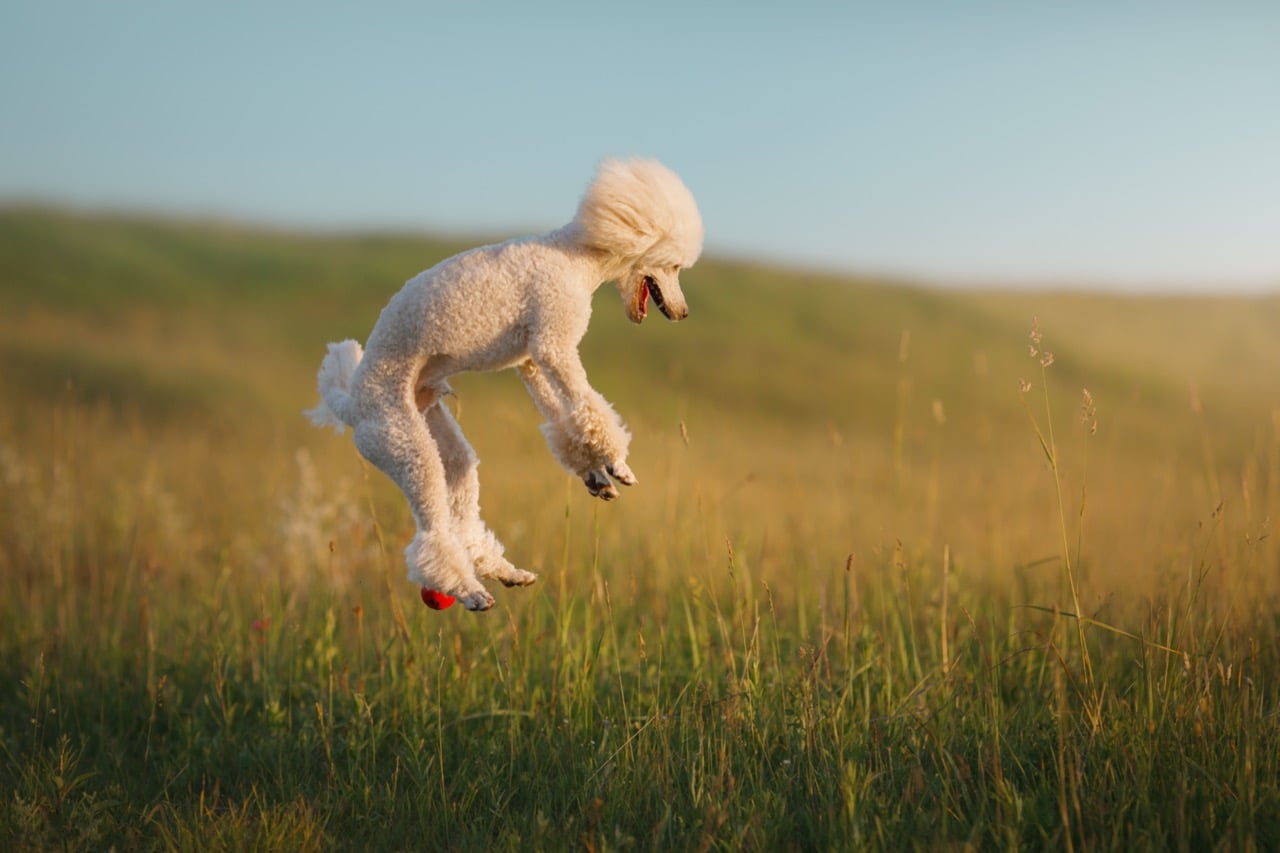
Origins and purpose Many people associate the Poodle with France, but the breed’s roots trace strongly to Germany, where the word pudel relates to splashing in water. The dog was developed as a water retriever, valued for swimming ability, trainability, and a coat that offered protection in cold conditions. Over time, the breed became popular across Europe, especially in France, where it was refined and celebrated. That mix of working utility and cultural prestige is why the Poodle can seem both sporty and sophisticated.
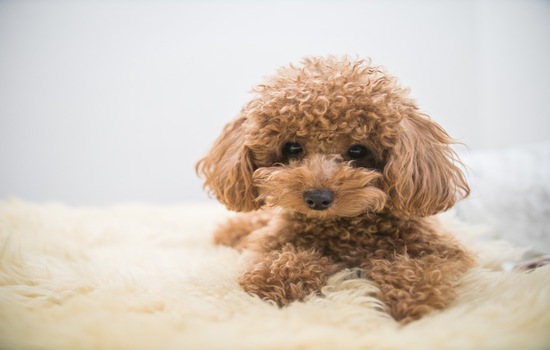
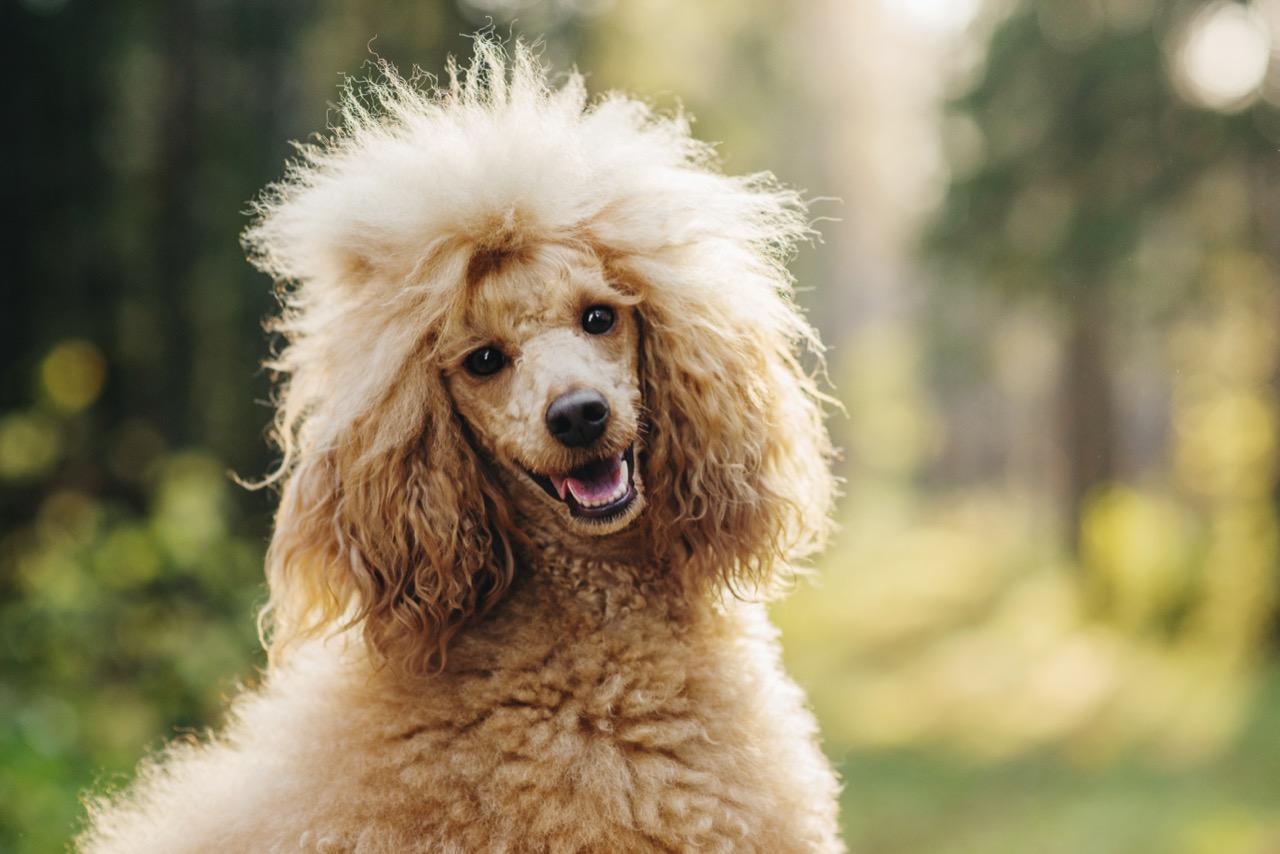
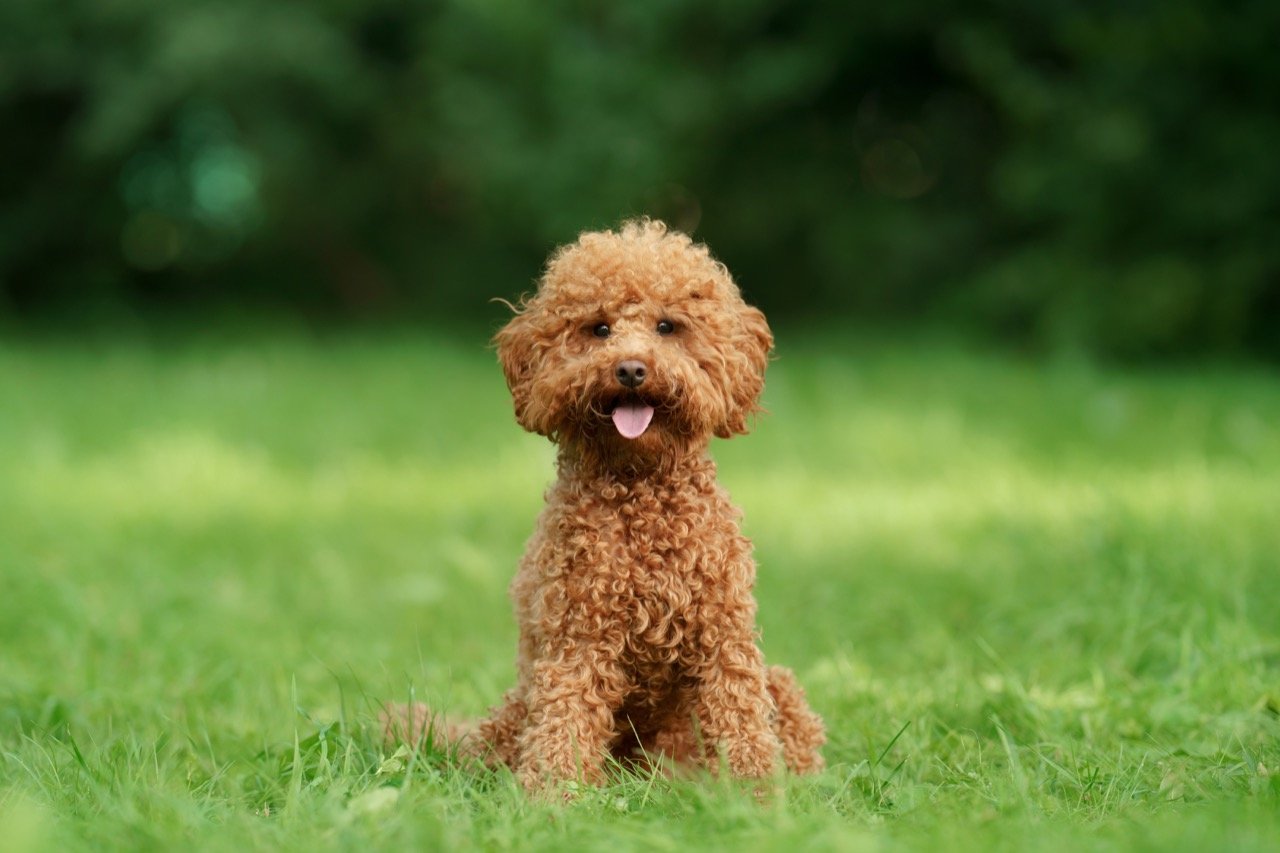
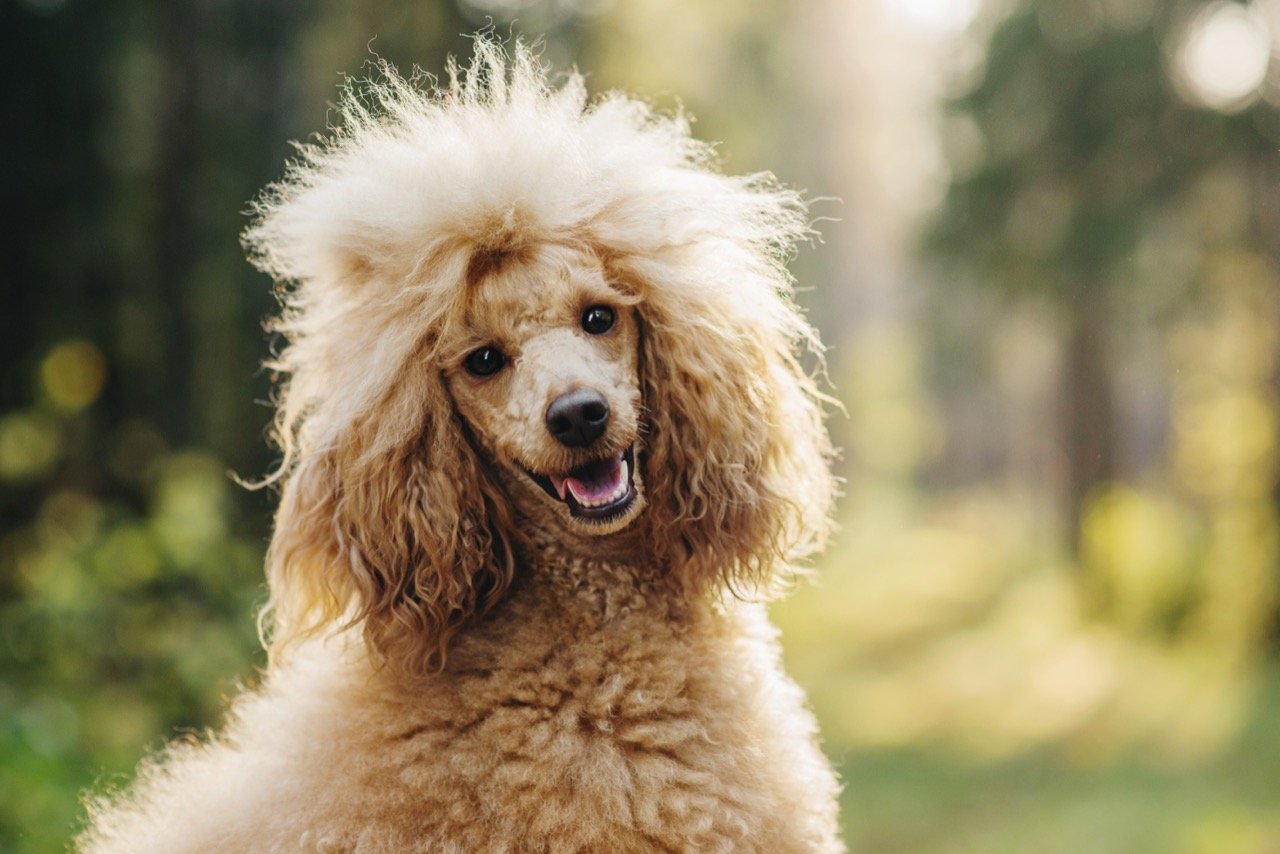
The coat: curls, hair, and common misconceptions A key point that surprises many owners is that the Poodle’s coat is hair-like and continuously growing, not typical shedding fur. This is one reason the breed is often recommended for people who want less hair around the house. However, less shedding does not automatically mean allergy free. Allergies are influenced by dander and saliva proteins as well as coat management, so individual reactions vary.
Poodle coats can appear in different textures. The curly coat is dense and springy, while a corded coat can form long rope-like cords if maintained that way. Both require regular grooming. Because the hair keeps growing and can mat easily, brushing and professional trims are not cosmetic luxuries but practical care.
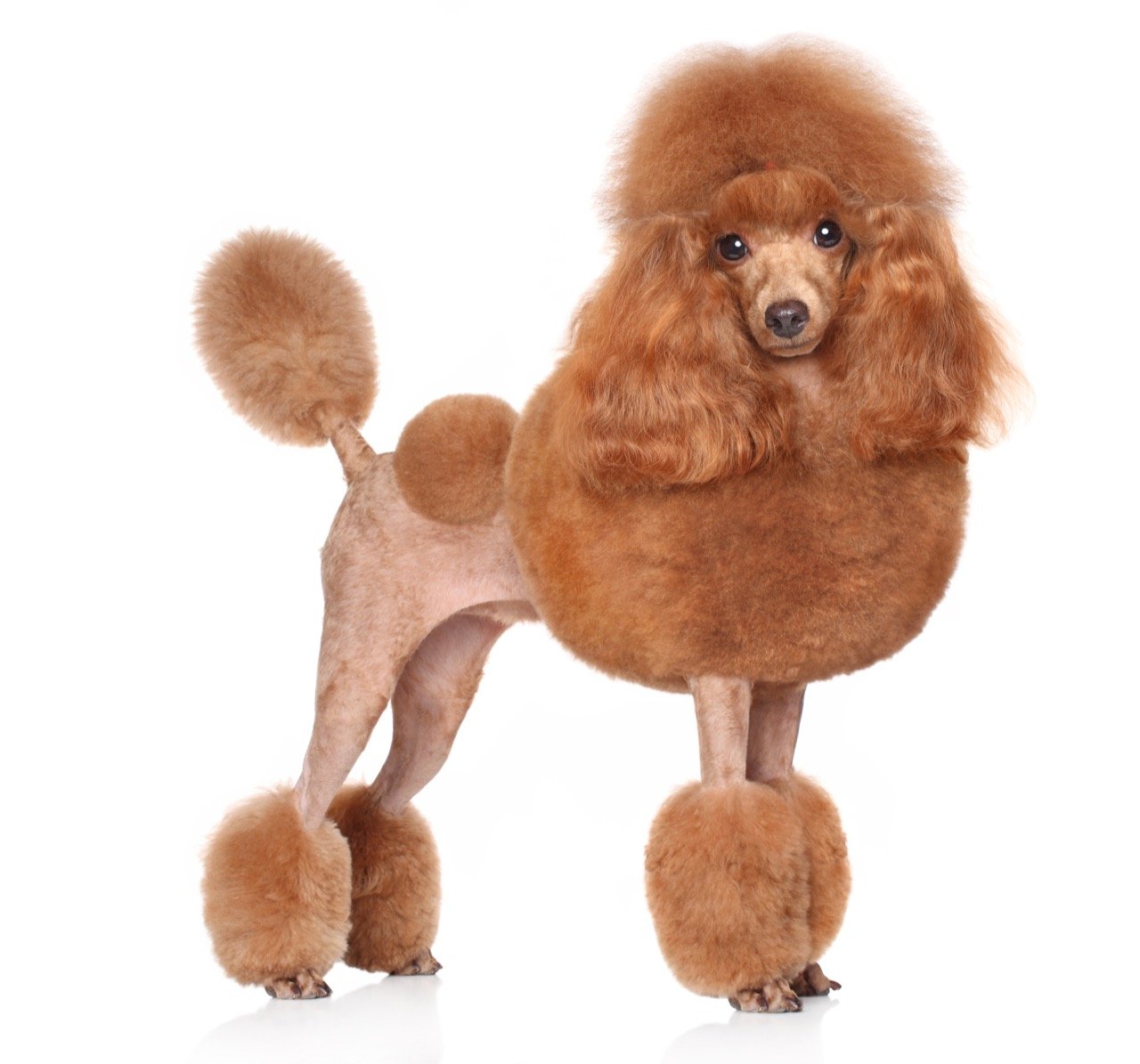
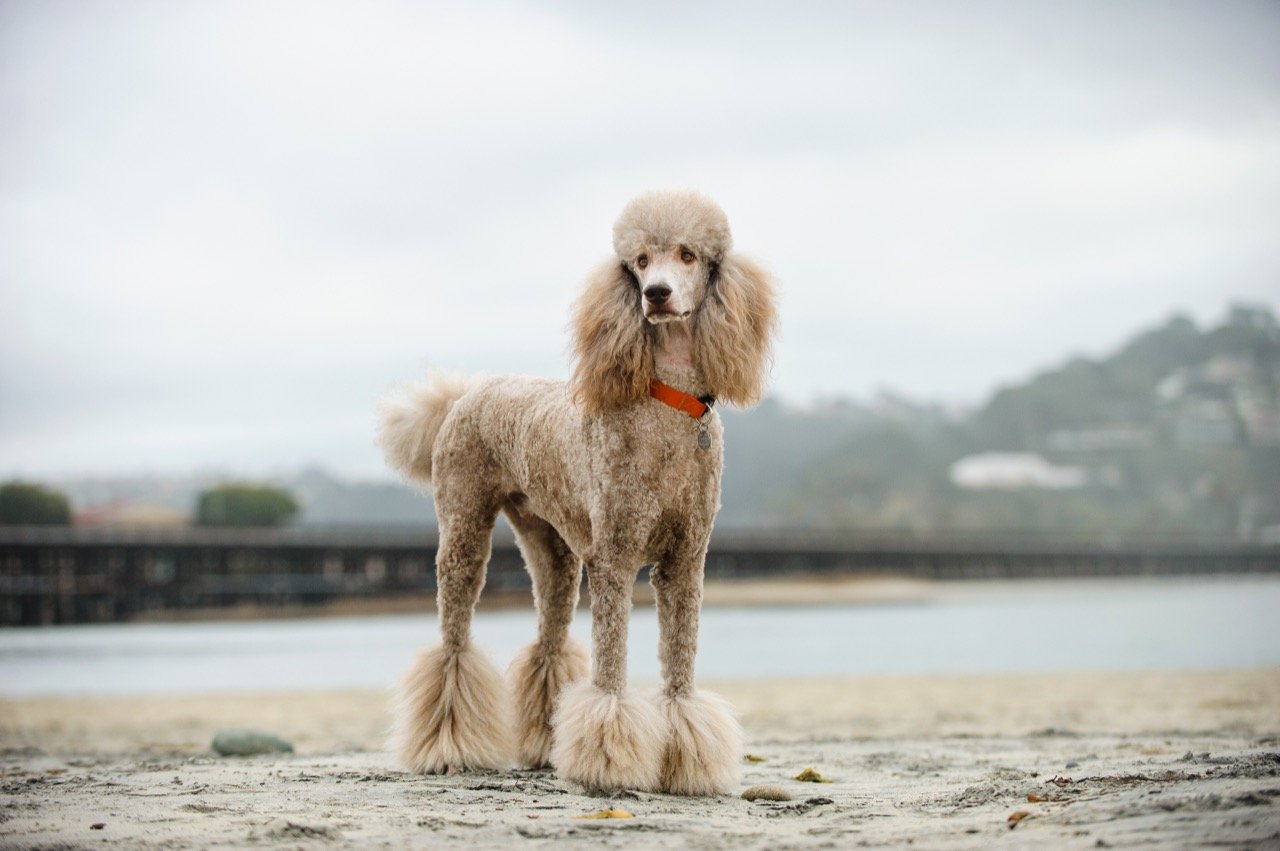
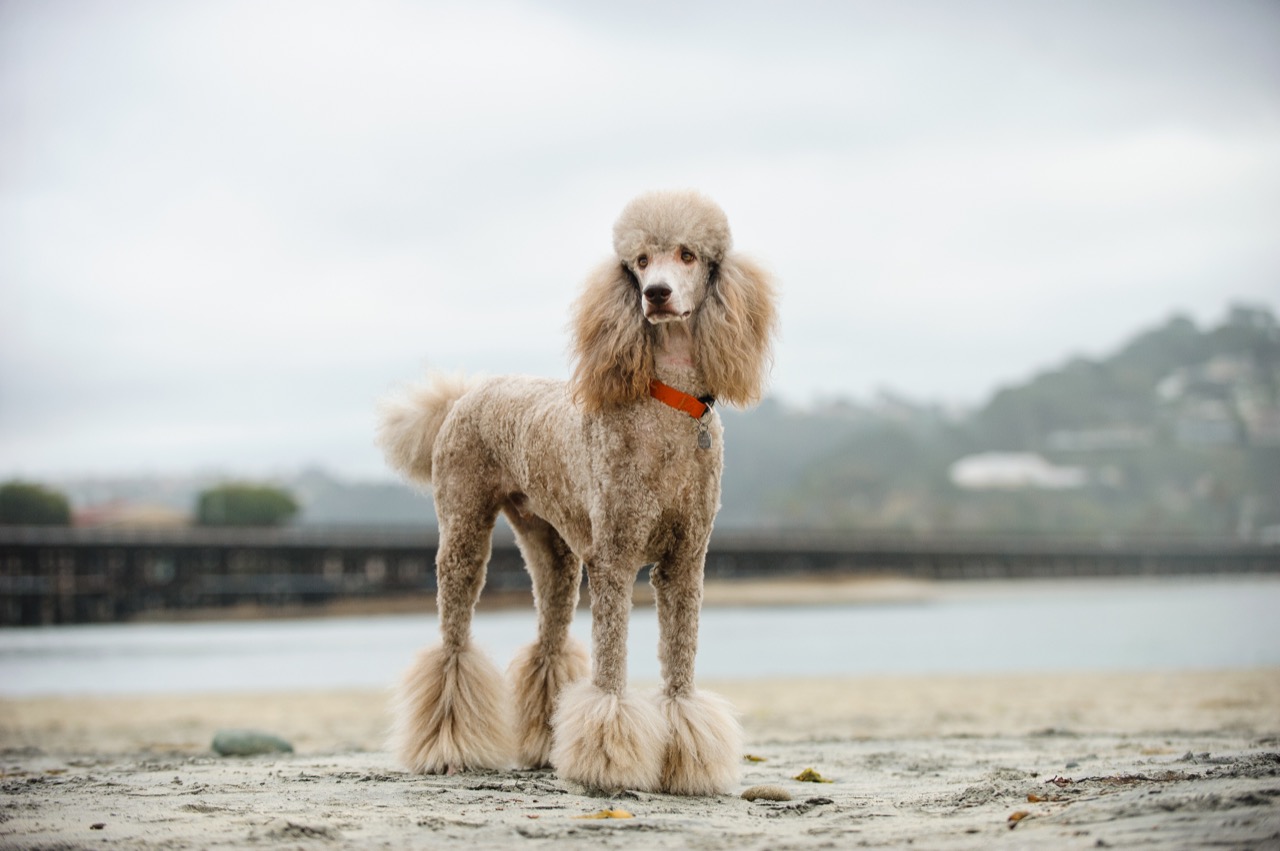
Why the famous clips exist The traditional Poodle clip is often misunderstood as purely decorative. In reality, early working clips were designed to help a swimming retriever. Hair was left longer over vital areas such as the chest and joints for warmth and protection, while other areas were clipped to reduce drag and improve mobility in water. Modern show clips are more stylized, but they evolved from functional choices. Even if you keep a simple pet trim, the same principles apply: keep the coat clean, detangled, and shaped for comfort.
Brains and training Poodles are widely regarded as among the most intelligent dog breeds, but intelligence comes with needs. They thrive on learning, problem solving, and interaction. Without enough mental stimulation, they may invent their own entertainment, which can look like mischief. Positive reinforcement training, short skill sessions, and activities like scent work, retrieving games, agility, or obedience can channel their quick minds in a satisfying way.
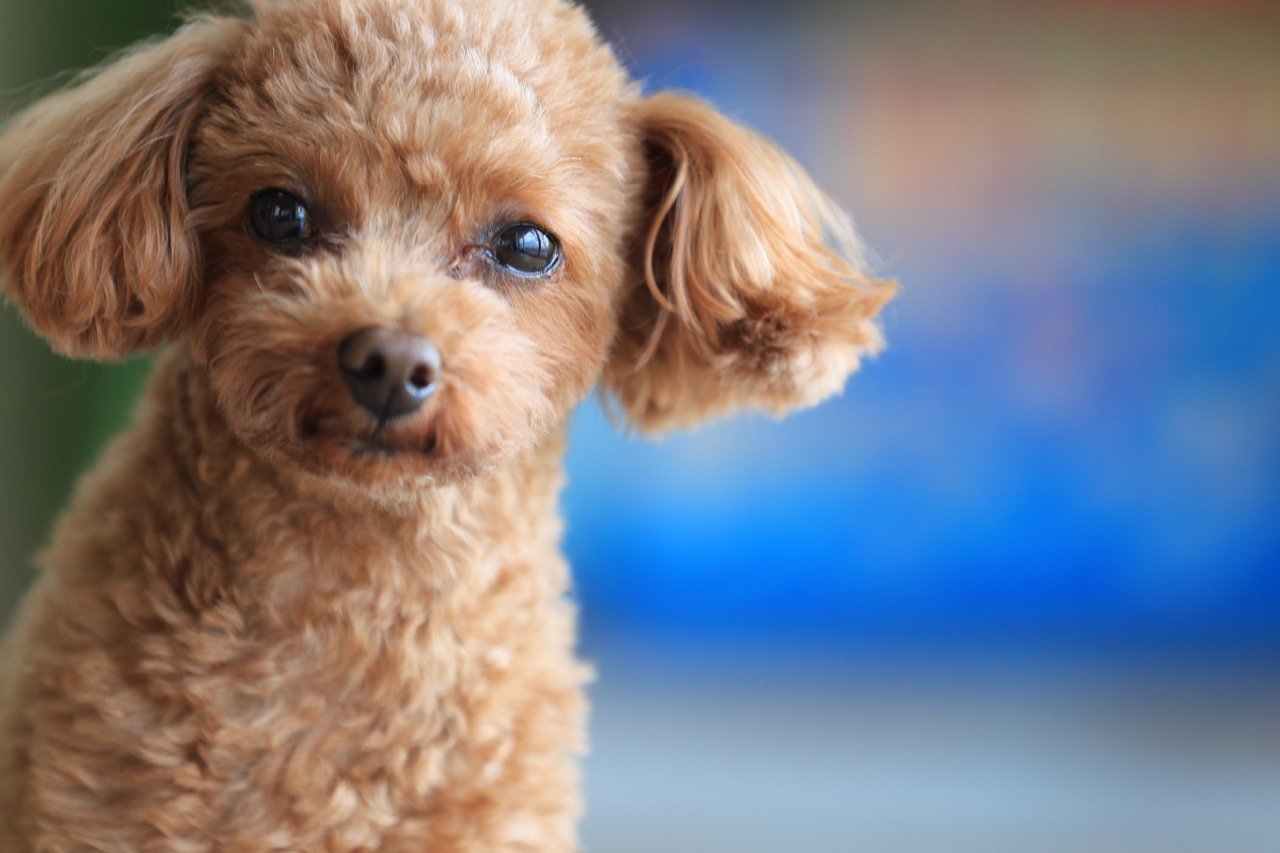
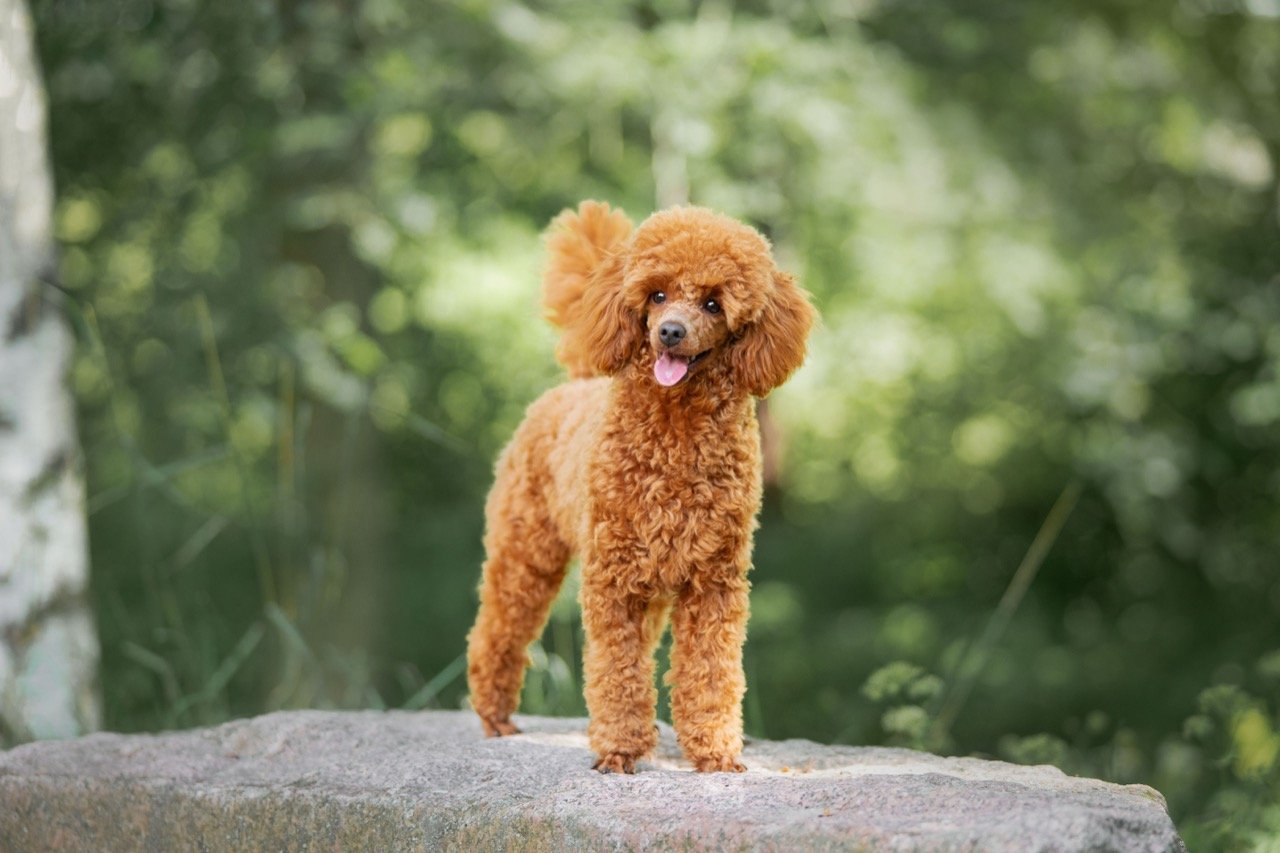
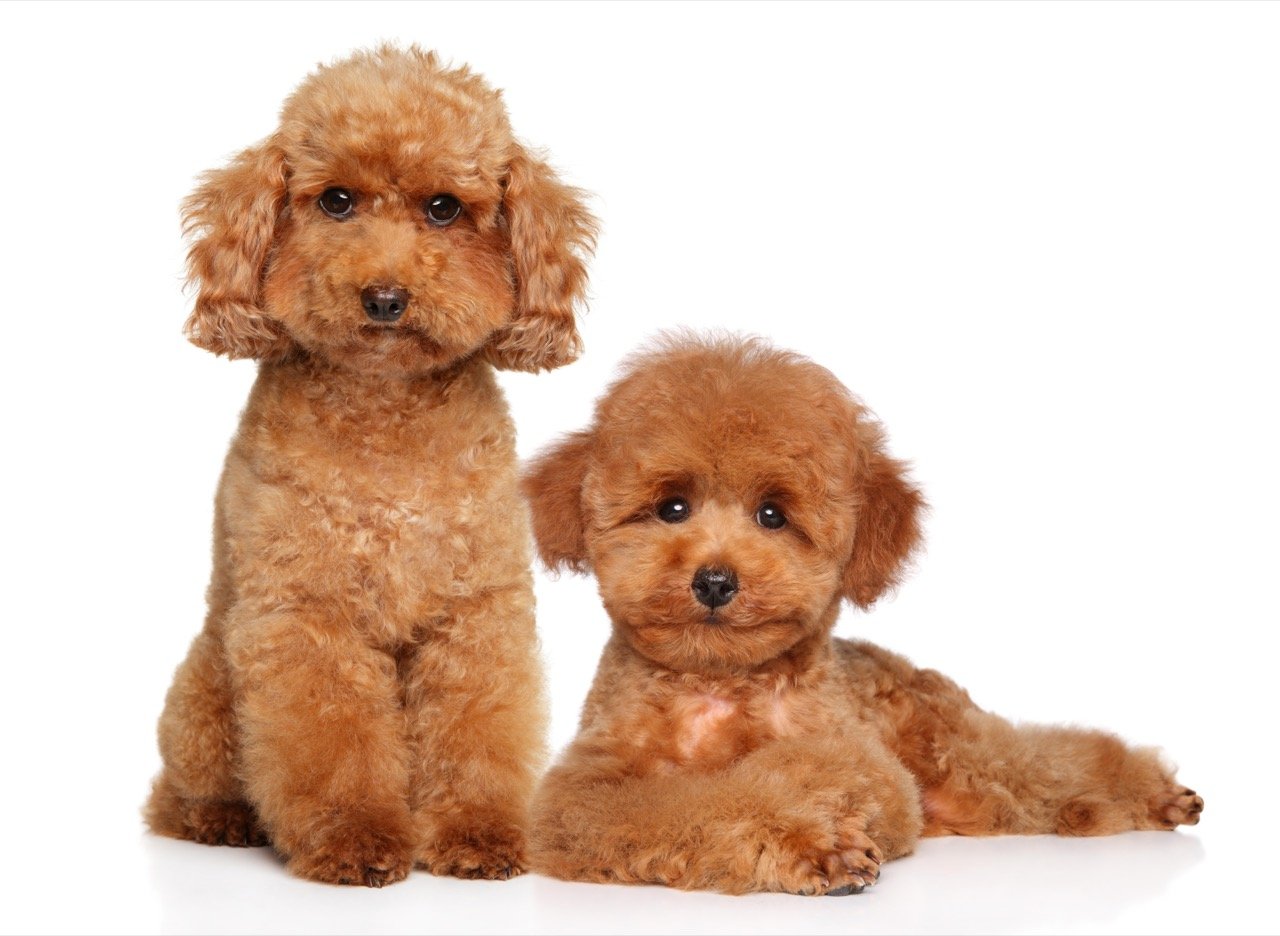
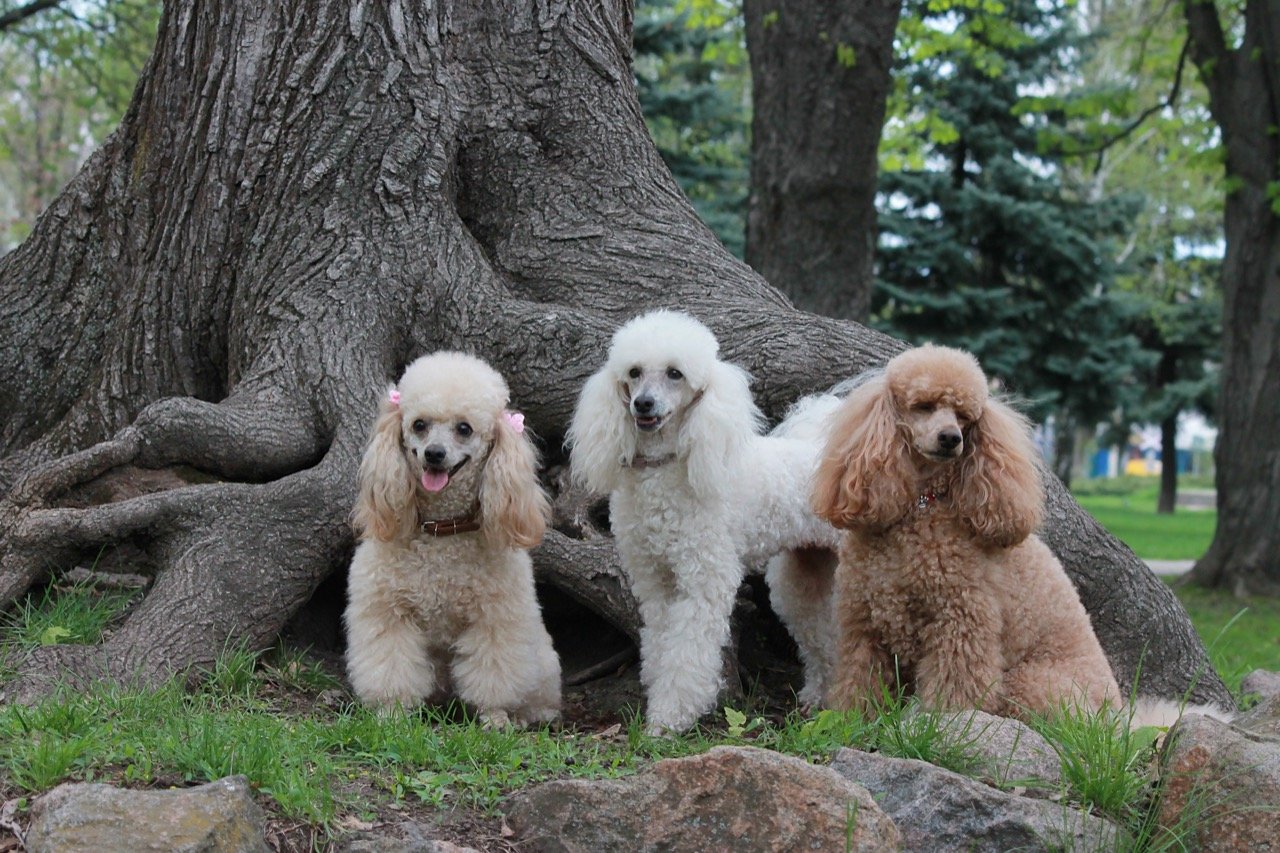
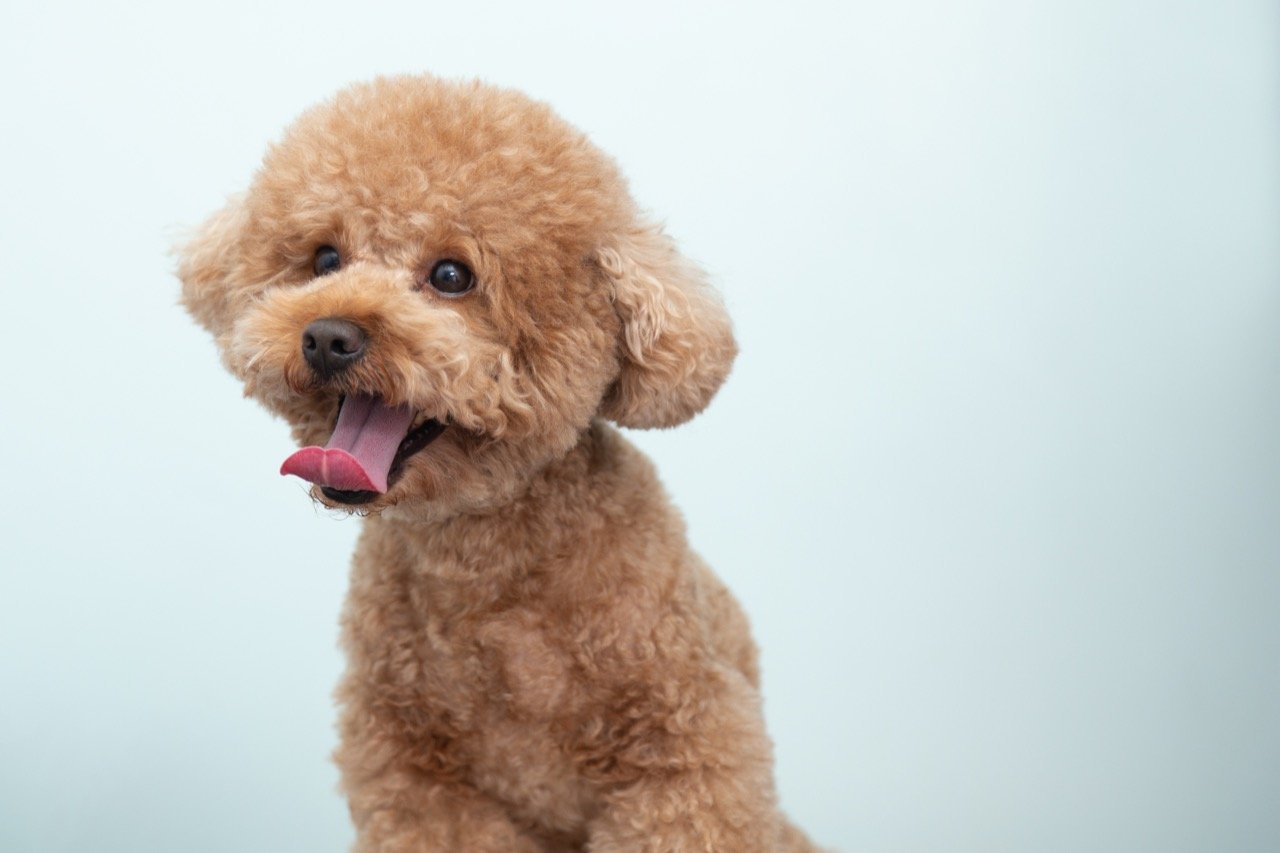
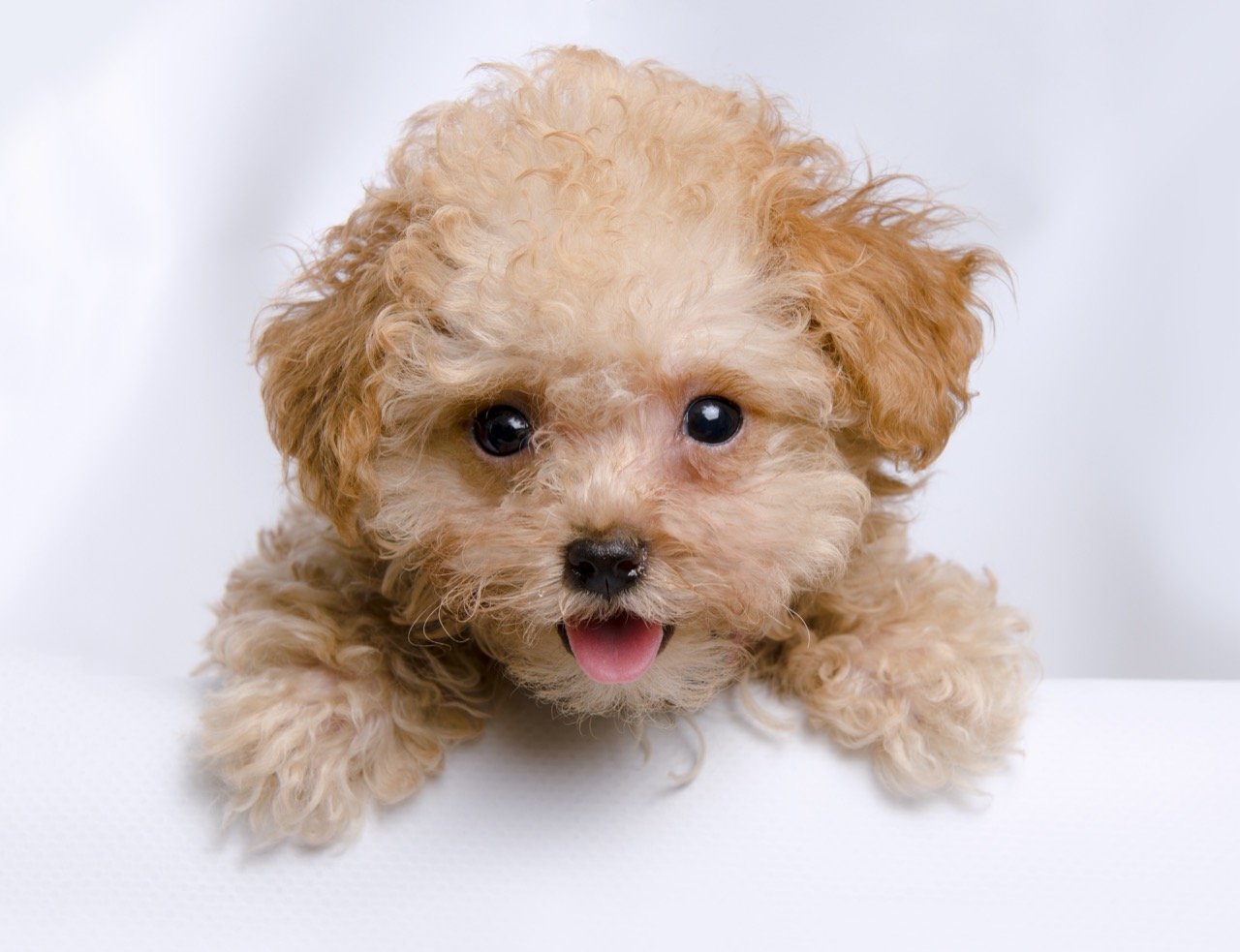
Size varieties and what they mean Poodles come in distinct size varieties, typically Standard, Miniature, and Toy, defined primarily by height at the shoulder rather than weight. Standards are the largest and were closest to the original water retriever role. Miniature and Toy Poodles were developed later, retaining the same general temperament and coat type in smaller bodies. While the sizes share many traits, energy levels, exercise needs, and fragility can differ, especially in the smallest dogs.
Modern roles and everyday care Today, Poodles excel as family companions, therapy dogs, service dogs, and competitive athletes. Their combination of trainability and sensitivity means they do best with consistent routines, gentle handling, and clear communication. Regular grooming, ear care, dental hygiene, and appropriate exercise are central to keeping them healthy and comfortable.
Conclusion The Poodle’s curls are only part of its story. Beneath the iconic coat is a capable retriever, a sharp learner, and a versatile partner. Understanding the breed’s history, coat realities, grooming logic, and size definitions makes it easier to appreciate why this curly coated genius continues to stand out in both tradition and modern life.