






Introduction Animal intelligence is not a single ladder with humans at the top. It is a toolkit shaped by each species needs: finding food, avoiding danger, raising young, and navigating complex social lives. The trivia in Brains, Beaks, and Bold Moves highlights a key idea: clever behavior shows up in many forms, from quick learning in city birds to strategic cooperation in the open ocean. Understanding these abilities makes the natural world feel less like a backdrop and more like a community of problem solvers.
Tools, tricks, and creative problem solving Tool use is one of the most famous signs of animal smarts, but it is not limited to primates. New Caledonian crows can shape sticks into hooks to pull grubs from crevices, and they can choose different tools depending on the task. Sea otters crack open shellfish by balancing a rock on their chest like an anvil. Some dolphins use sea sponges as protective gloves on their snouts while foraging on rough seafloors. These behaviors show planning, flexibility, and a willingness to try something new when old methods fail.
Memory and navigation: knowing where and when Many animals rely on impressive memory, especially when food is seasonal or scattered. Scrub jays and other caching birds hide thousands of food items and can remember what they stored and where, sometimes even adjusting their search based on how quickly different foods spoil. Migrating animals add another layer: salmon return to their birth rivers, sea turtles travel across oceans to nesting beaches, and monarch butterflies make multi generation journeys. Whether the key is smell, magnetic cues, landmarks, or the sun, the result is the same: a living map that helps them survive.
Communication and social intelligence Brains often shine brightest in social settings. Wolves coordinate hunts with roles that can shift mid chase. Meerkats post sentinels and use alarm calls that change depending on the type of predator. Elephants recognize many individuals, show signs of empathy, and use low frequency rumbles that can travel long distances. Even insects demonstrate complex communication: honeybees perform a waggle dance that encodes direction and distance to food. These systems are not just noise; they are information networks that make groups more effective than individuals.
Small bodies, big performance A large brain can help, but what matters is how well brain power matches the challenges of daily life. Octopuses, with very different nervous systems from mammals, solve puzzles, open jars, and learn through exploration. Jumping spiders plan routes and stalk prey with surprising precision. Rats and pigeons excel at learning patterns and adapting to new environments, which helps explain why they thrive around humans. Intelligence is not reserved for charismatic megafauna; it is everywhere that problems need solving.
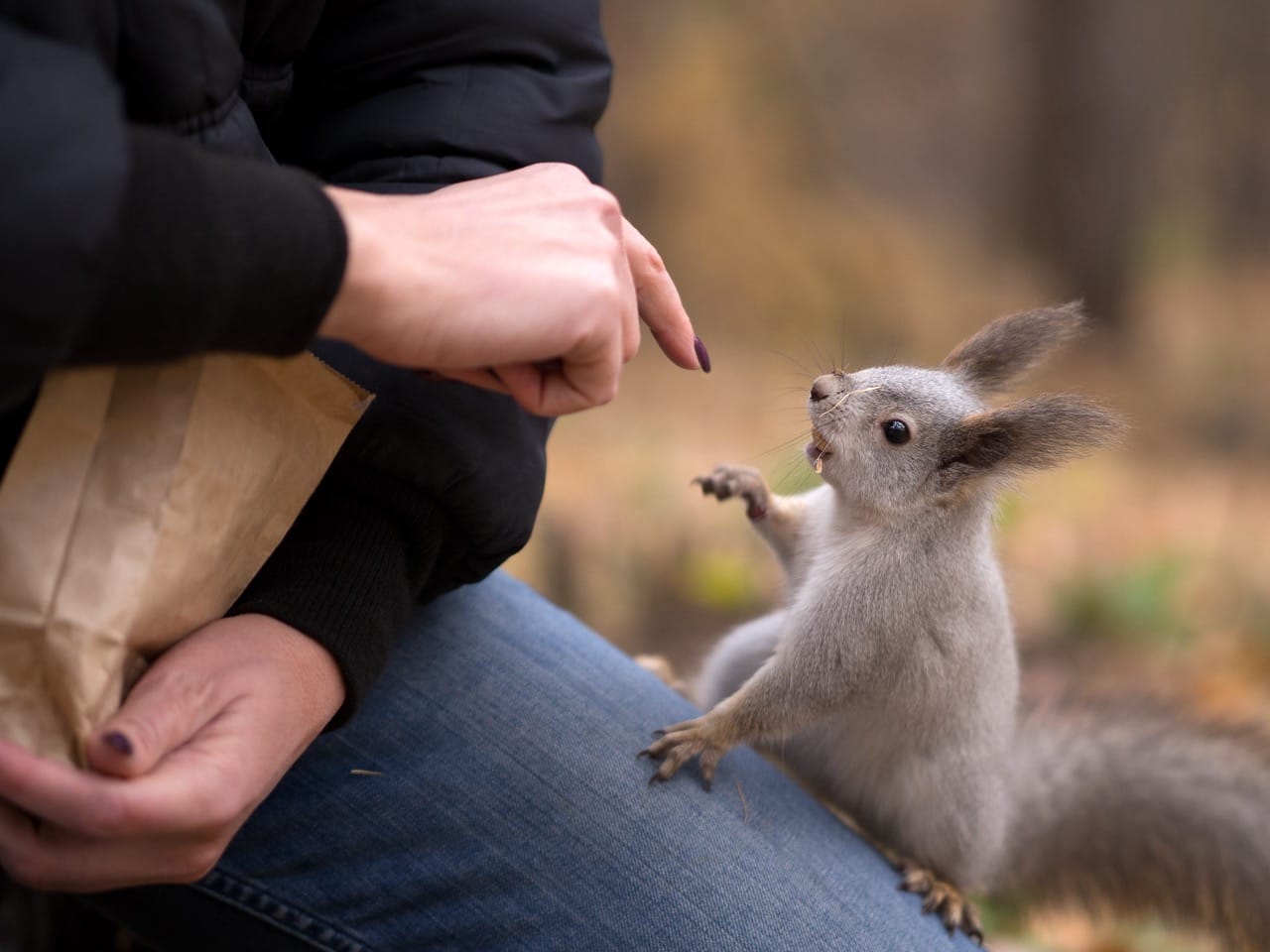
Living alongside humans: the city as a new habitat Urban environments reward flexibility. Raccoons learn how to open latches and exploit new food sources. Some birds time their singing around traffic noise or use human materials for nests. Coyotes adjust their activity to avoid people while still using city green spaces. These adaptations are not just boldness; they are behavioral strategies built on learning and quick decision making.
Conclusion The animal kingdom is full of minds tuned to different kinds of challenges. Tool use, memory, communication, and creative improvisation are not rare miracles but recurring solutions, each shaped by habitat and lifestyle. As you play the quiz, notice how often intelligence is about doing the right thing at the right moment, not doing everything. The more you learn about how animals think, the more you see nature as a world of clever choices, quiet strategies, and bold moves that keep life going.