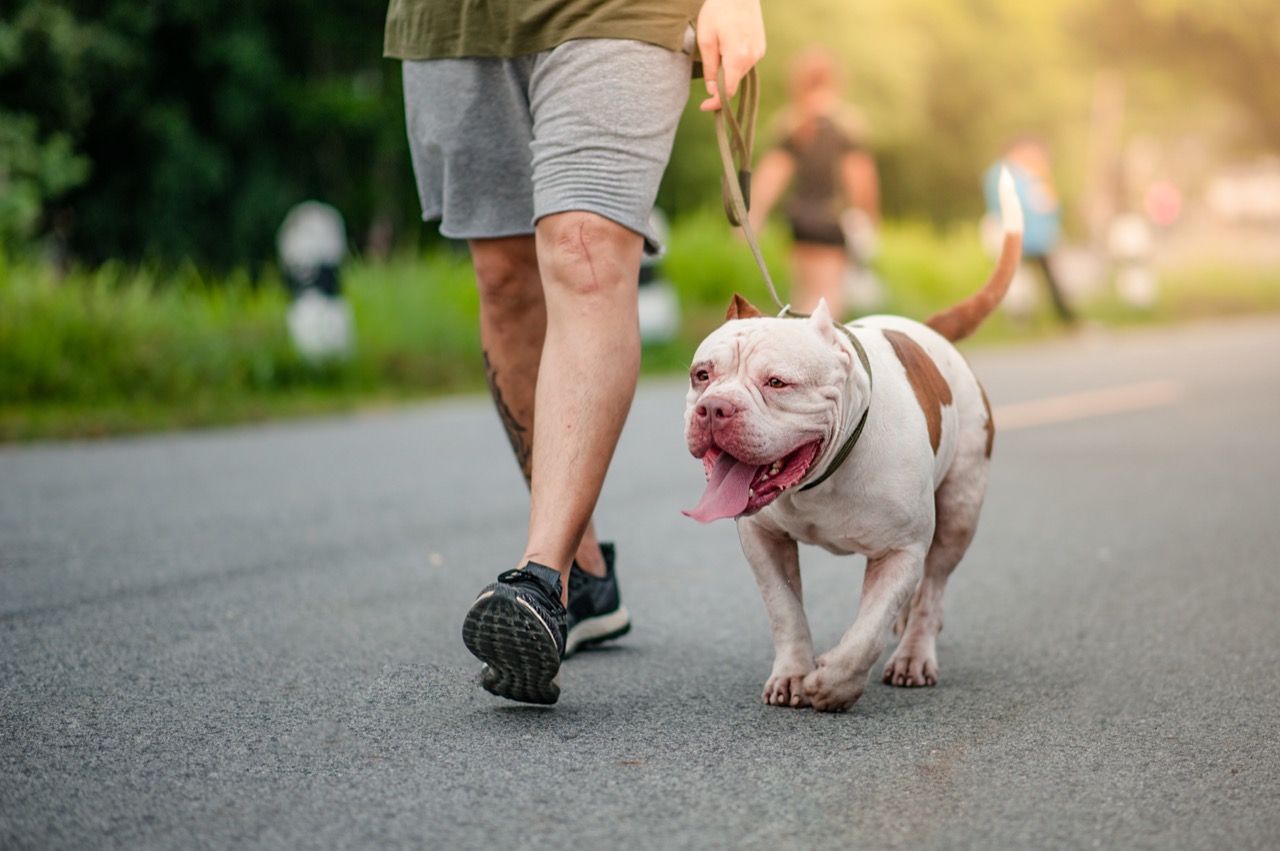

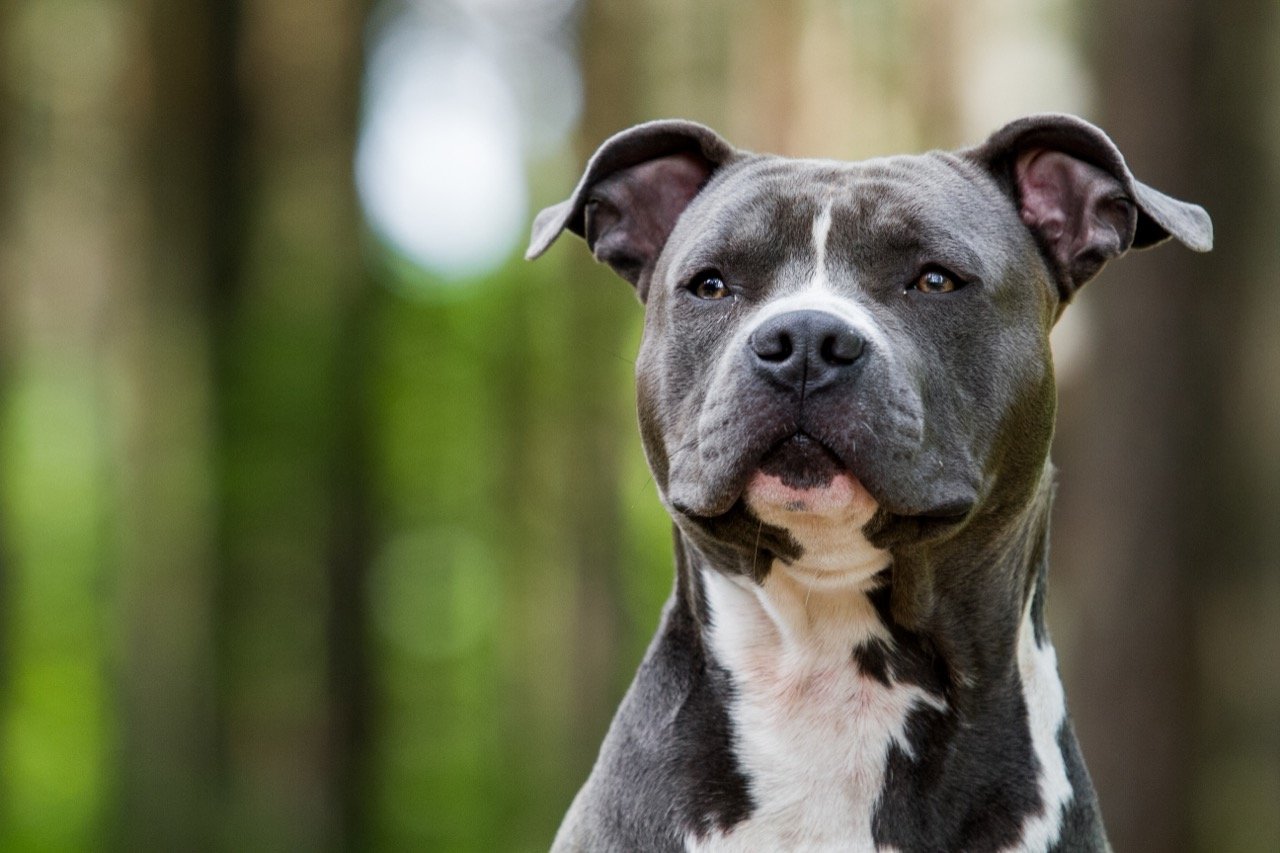
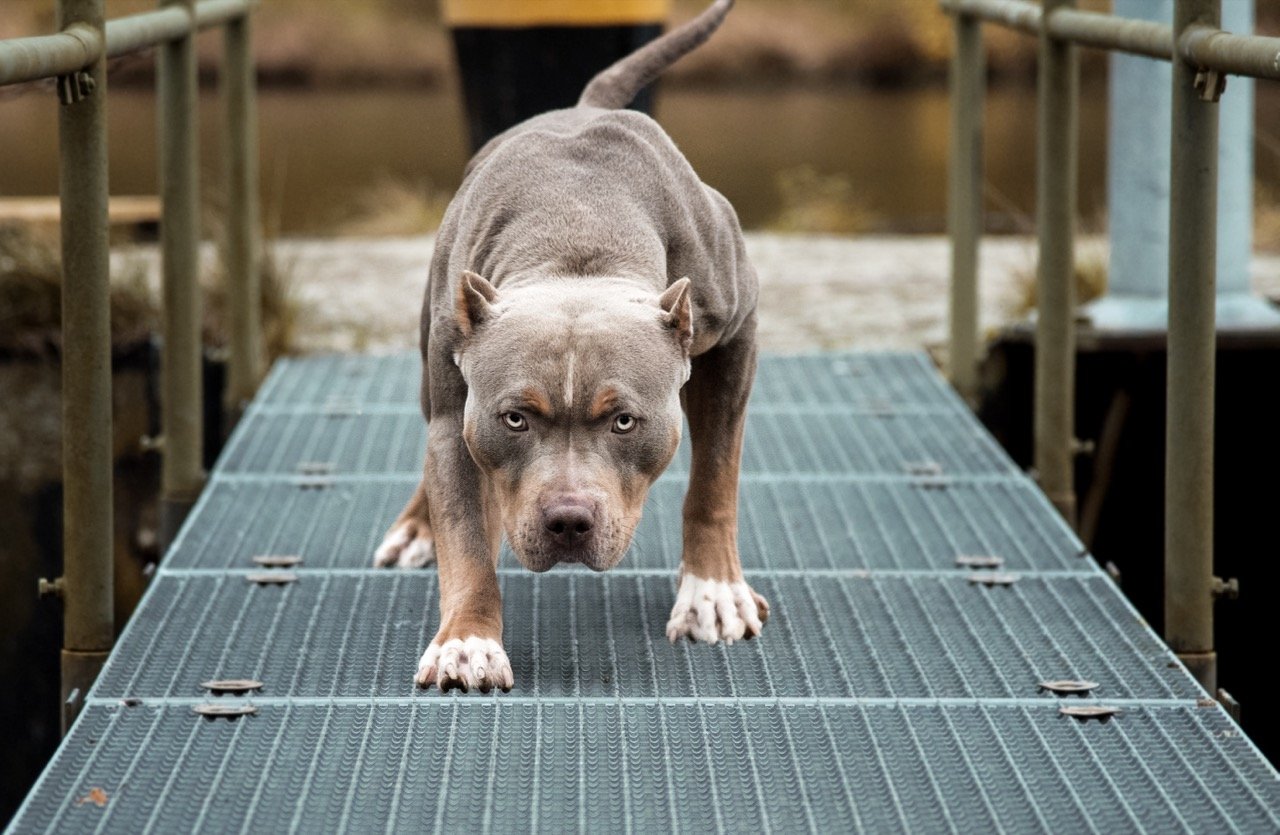
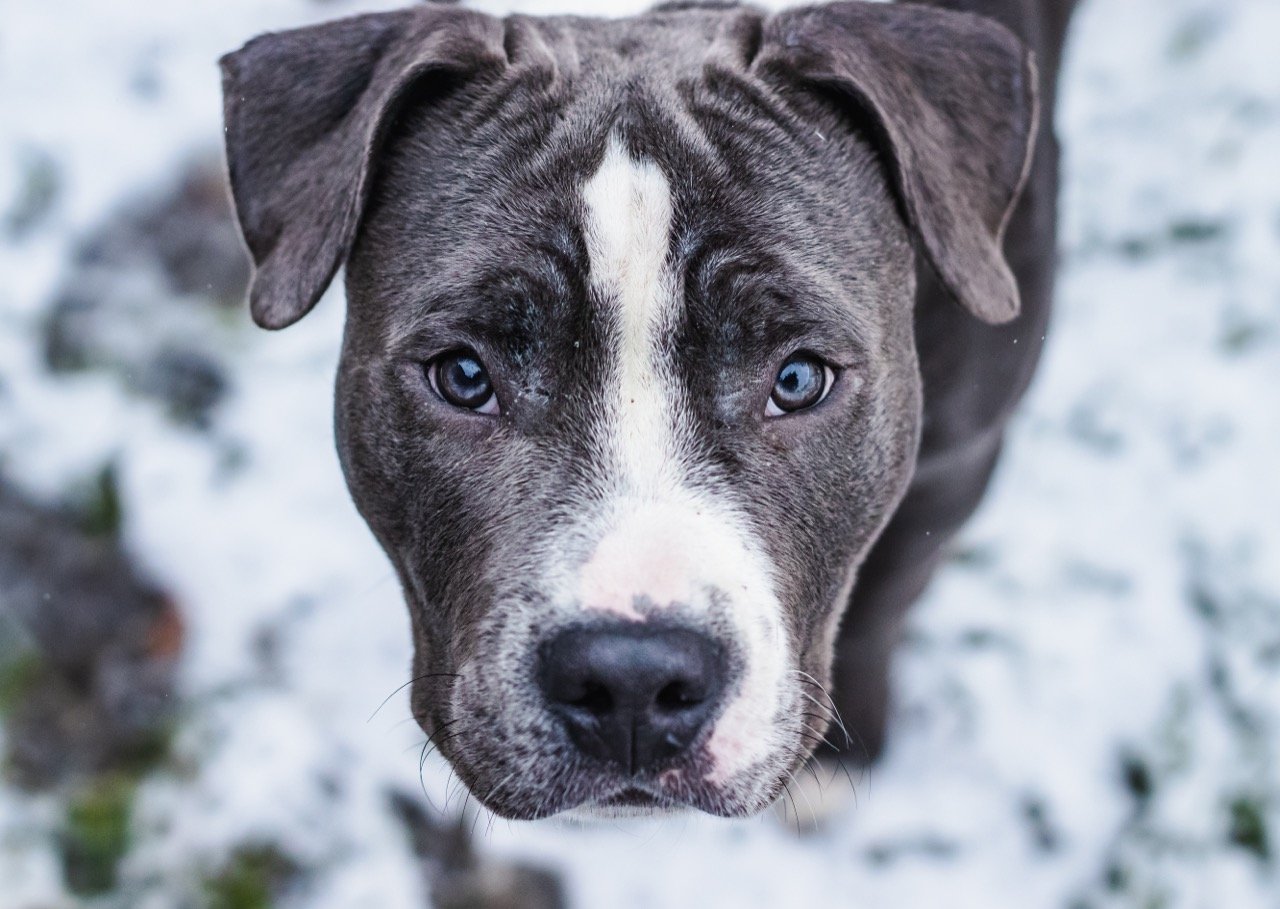
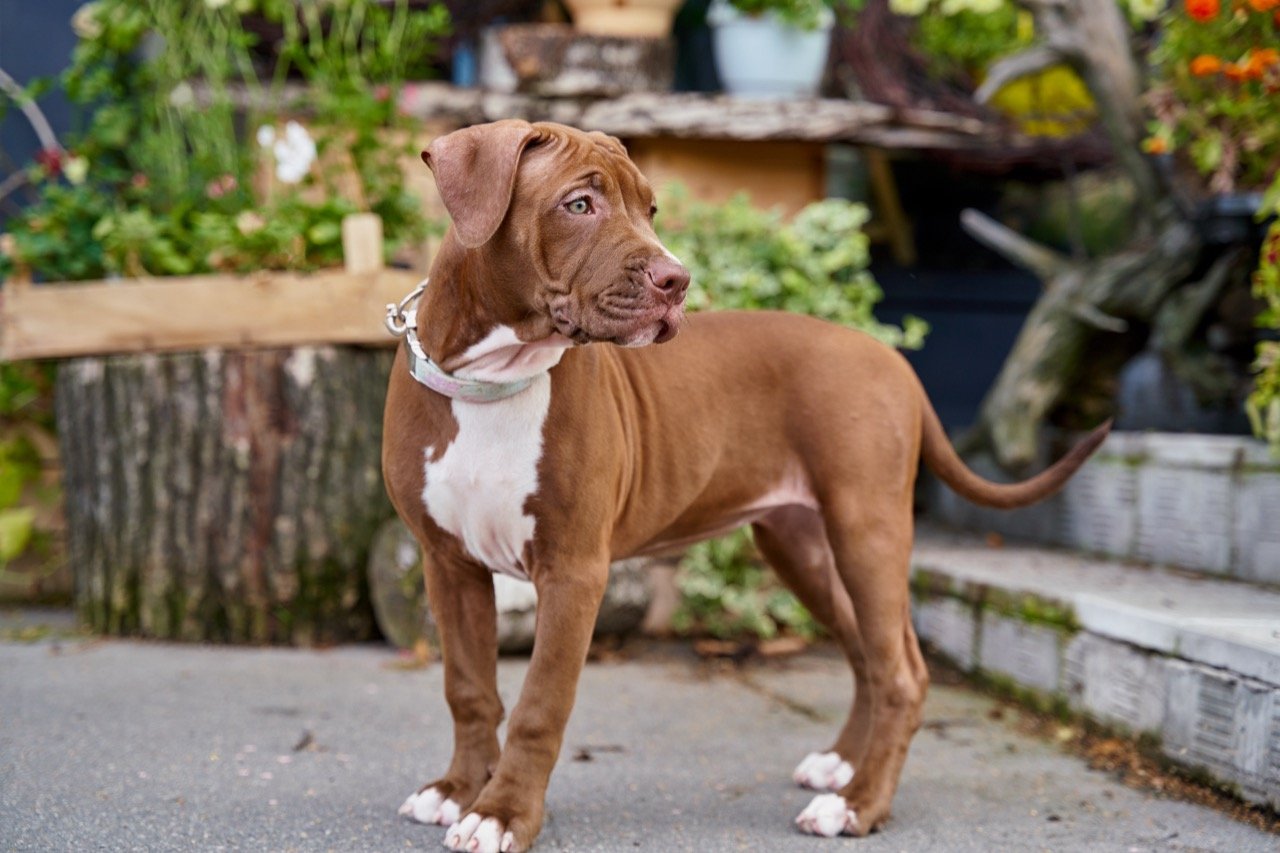
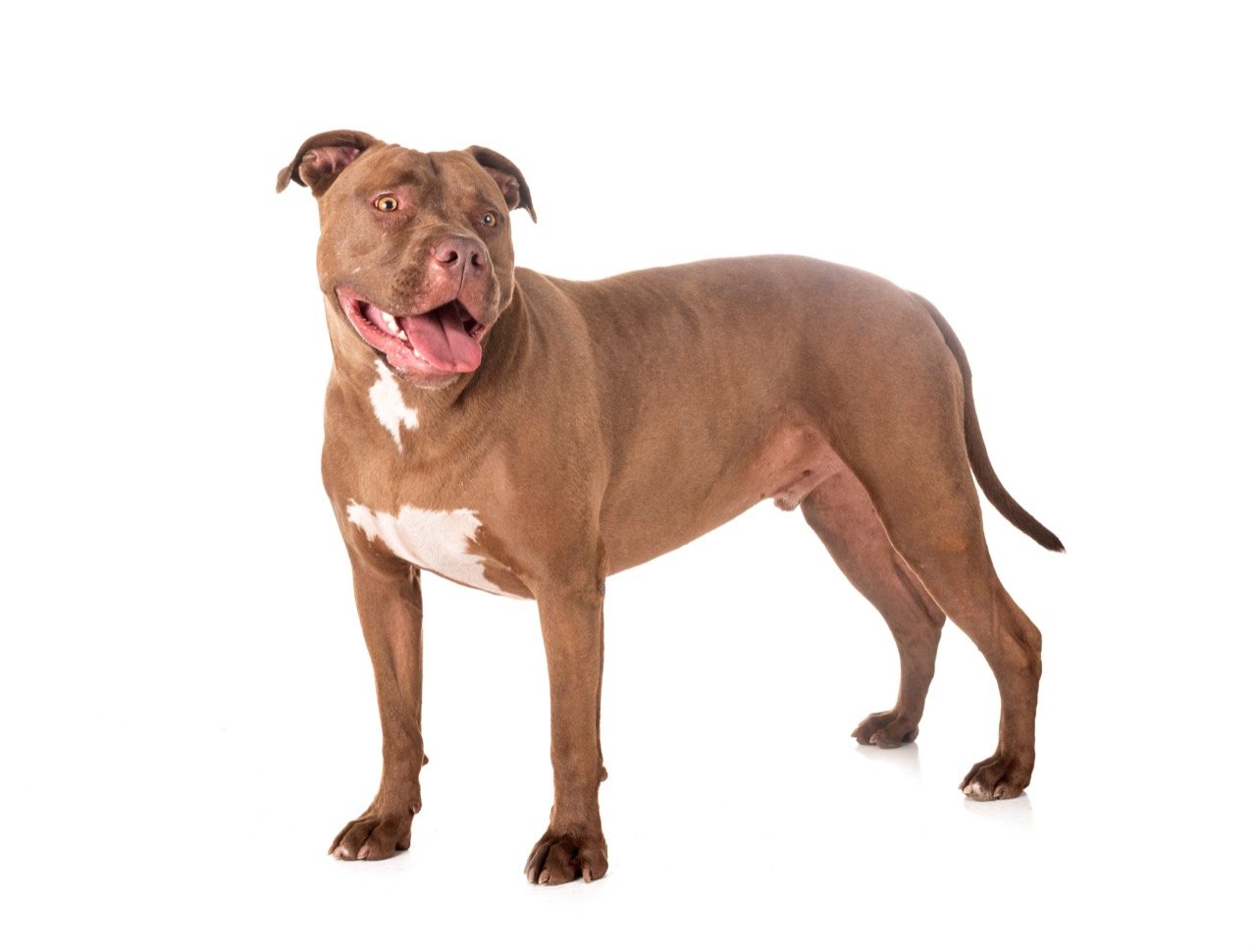
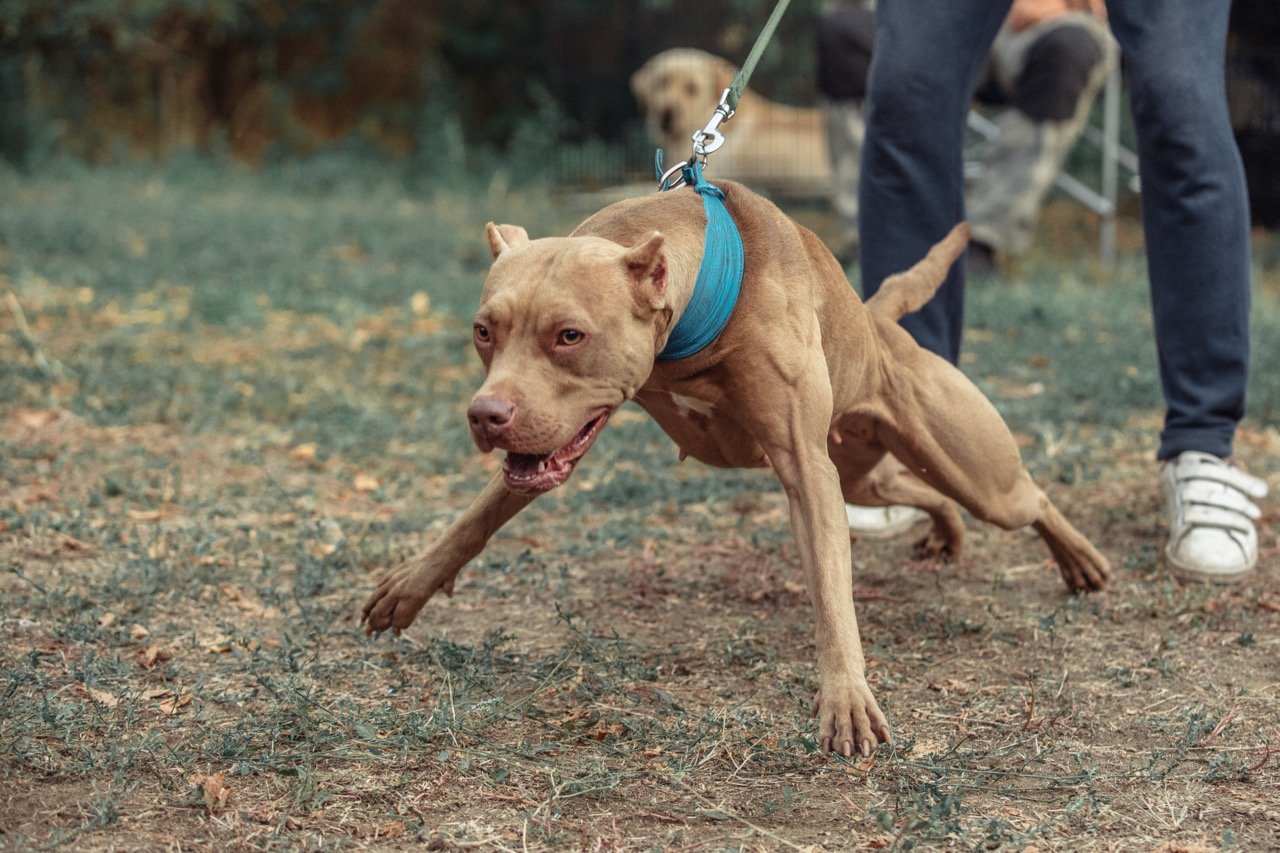
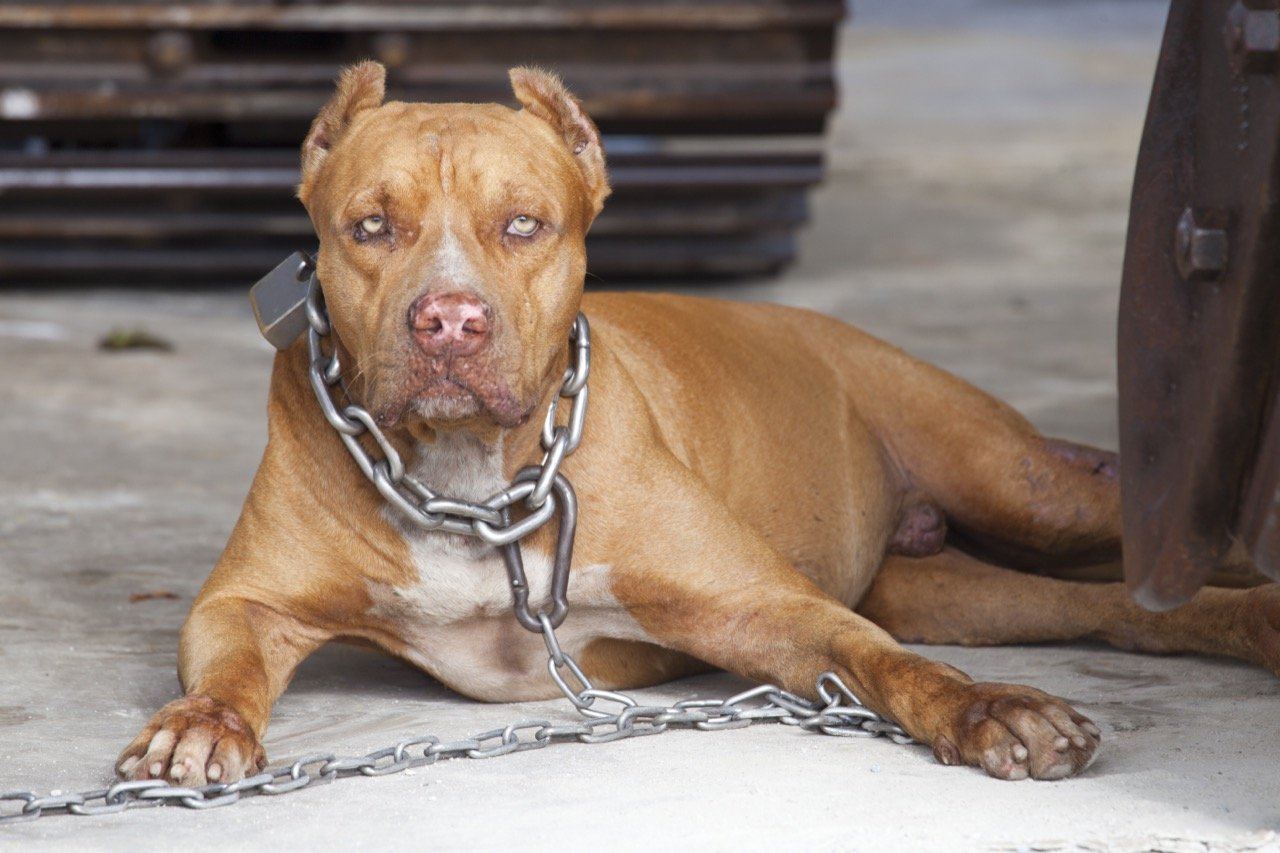
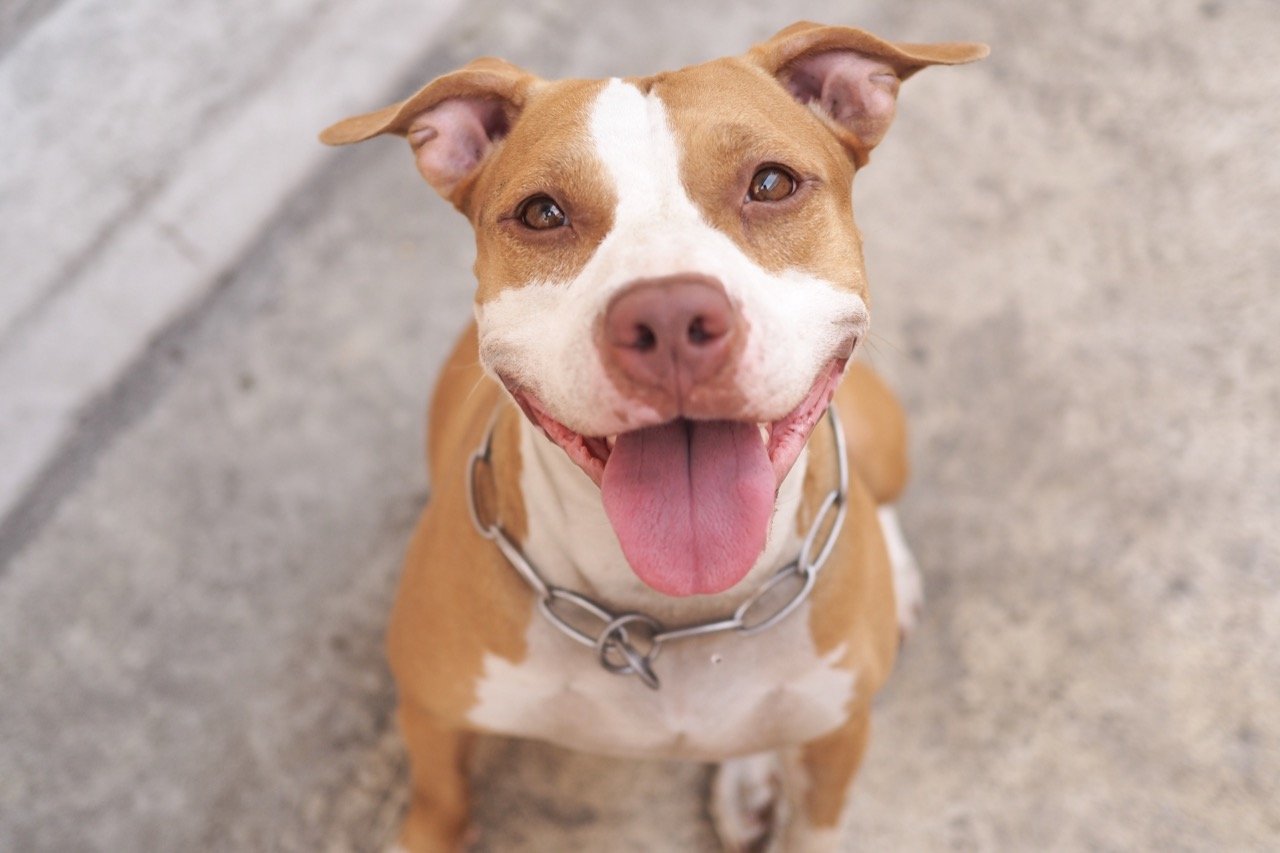
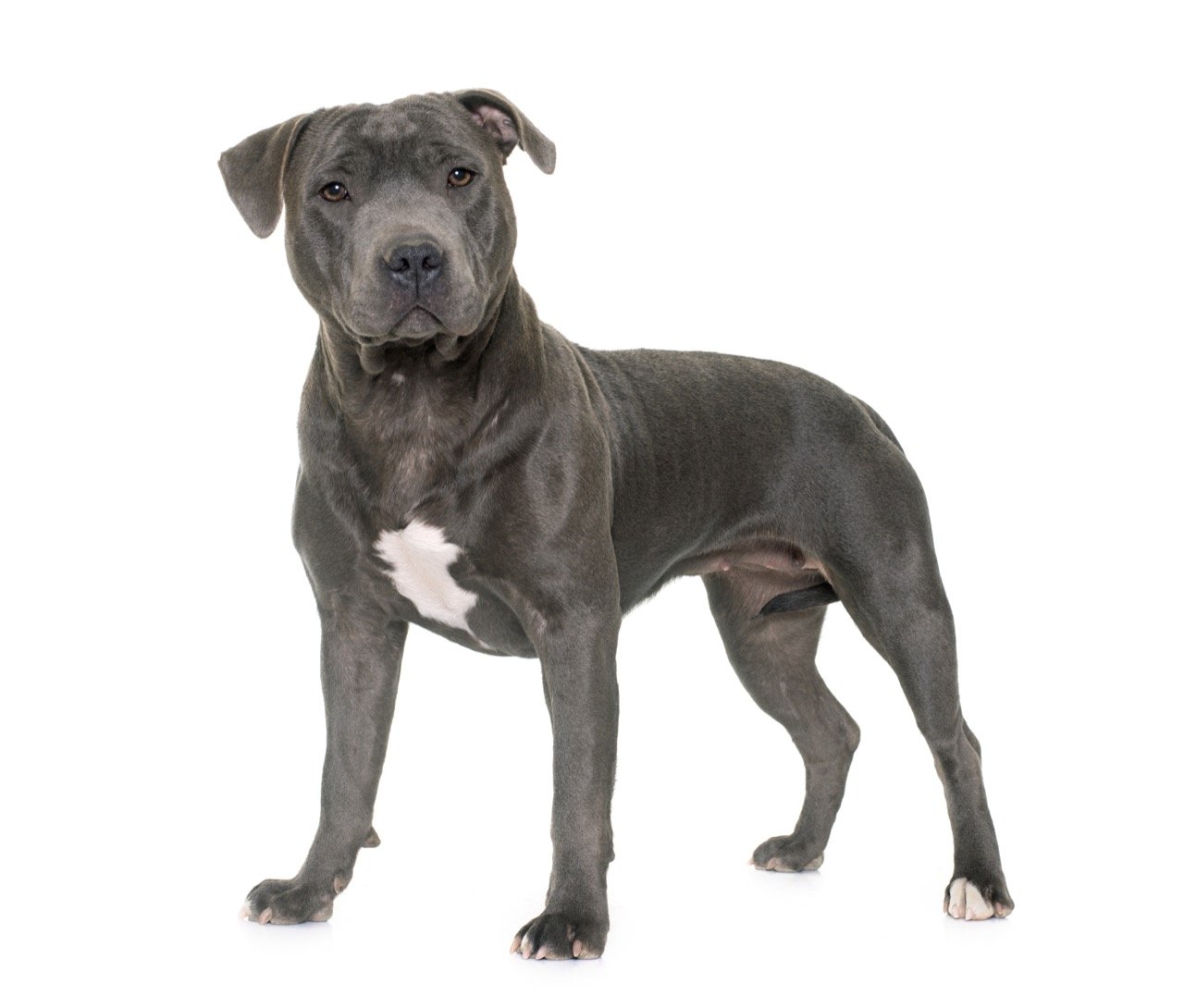
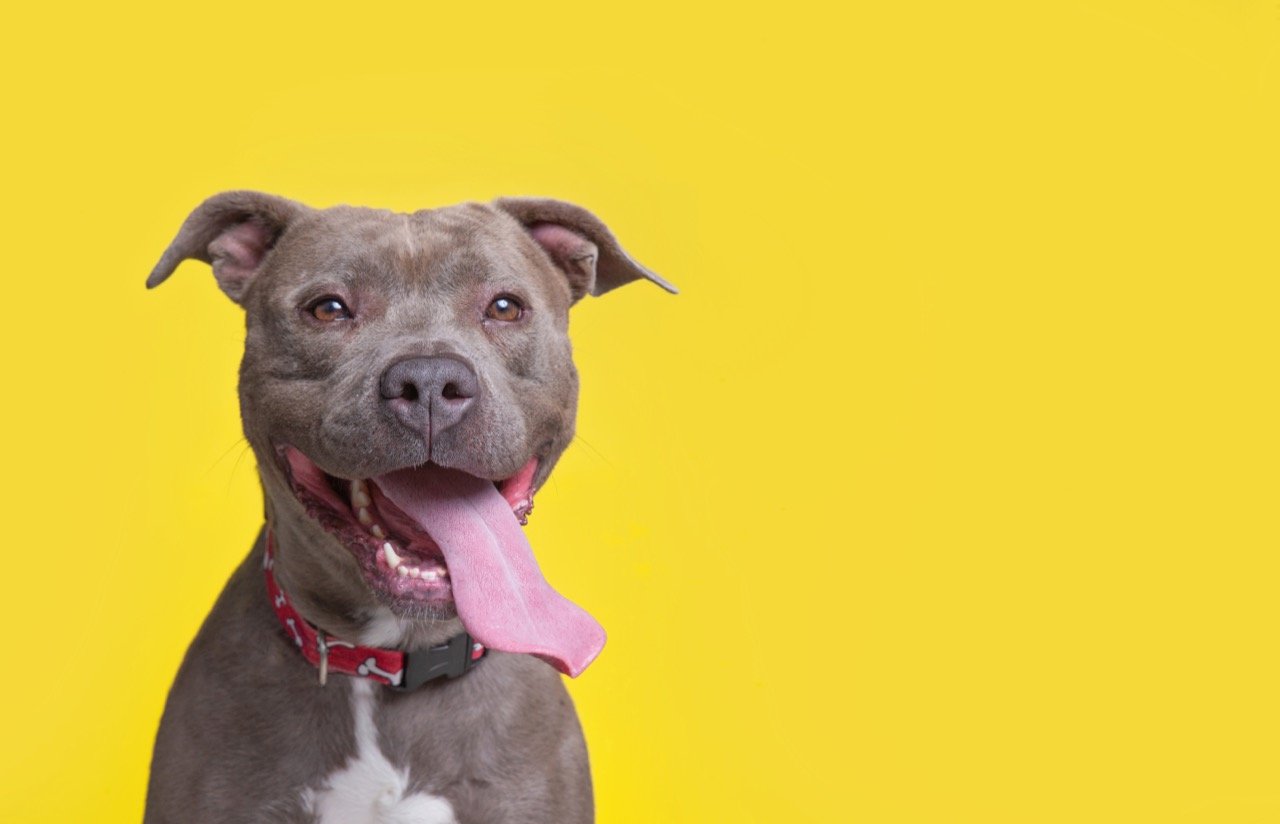
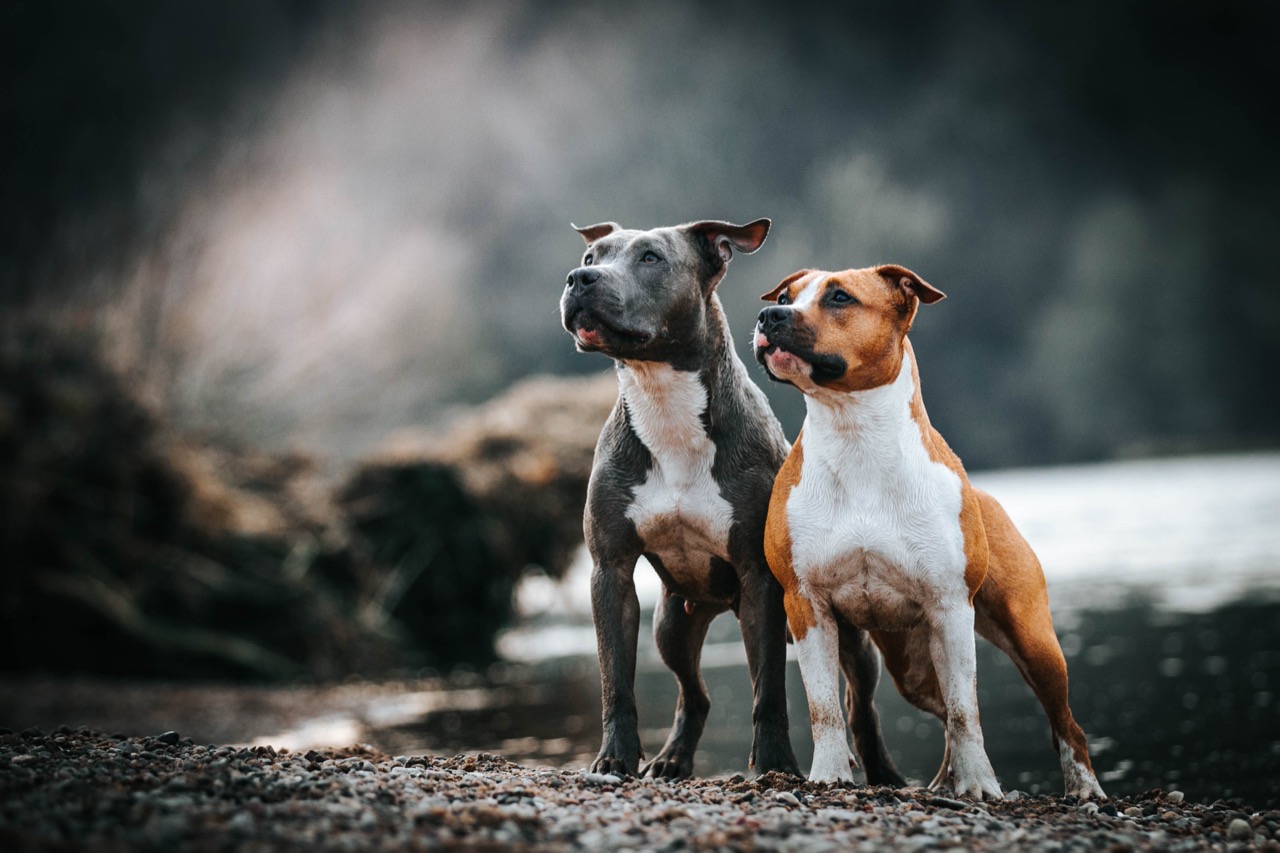
Introduction Dogs often described as blocky headed include several breeds and mixes that share a similar silhouette: broad skulls, muscular bodies, and an athletic, ready to work look. In popular conversation they are frequently grouped under labels like pit bull, even though that term is not a single breed. Their public image swings between devoted family companion and dangerous stereotype. Understanding what is real, what is exaggerated, and what depends on the individual dog helps owners, neighbors, and policy makers make better decisions.
Origins and terminology Many of today’s blocky headed dogs trace some of their ancestry to working dogs bred for strength, stamina, and determination. In the 1800s, bull and terrier type dogs were developed in parts of the United Kingdom and later in the United States for tasks that ranged from farm work and catching livestock to, unfortunately, blood sports that are now illegal. Over time, responsible breeding shifted emphasis toward stable temperaments and companionship.
The terminology can be confusing. American Pit Bull Terrier is a recognized breed in some registries, while American Staffordshire Terrier is recognized in others. Staffordshire Bull Terrier is a smaller, distinct breed. American Bully is a newer type developed primarily as a companion animal, often with a heavier build. Mixed breed dogs may resemble these breeds without sharing much genetic background. Visual identification is unreliable, and even professionals can mislabel dogs based on appearance alone.
Behavior and temperament: what’s typical and what’s a myth A common myth is that these dogs are naturally aggressive toward people. In reality, many are notably social with humans and thrive on attention. Like any dog, they can bite, and the risk depends on factors such as genetics, early experiences, training, health, and how they are managed. Another myth is the idea of a locking jaw. There is no special jaw mechanism. What some people observe is a strong grip and persistence, traits that can be shaped toward positive outlets like tug games with rules, weight pull sports, or structured play.
Energy and athleticism are more reliable general traits. Many need daily exercise and mental work, not just a quick walk. Boredom can lead to chewing, digging, or rowdy behavior. Some individuals may be reactive to other dogs, while others are easygoing. Because variation is wide, broad stereotypes miss the mark. A well raised, well trained dog can be calm and polite, and a poorly managed dog of any type can become a problem.
Training realities and responsible ownership Successful owners focus on early socialization, reward based training, and clear boundaries. Teaching impulse control, loose leash walking, and reliable recall pays off in everyday life. Managing the environment matters too: secure fencing, appropriate equipment, and avoiding situations the dog is not ready for. Because these dogs are strong, basic manners are not optional.
Health and care are part of responsibility. Common issues can include skin allergies, orthopedic problems, and in some lines, breathing challenges if bred too heavily. Choosing reputable breeders or adopting with support from a responsible shelter, keeping up with veterinary care, and maintaining a healthy weight all improve quality of life.
Public policy and community impact Breed specific legislation attempts to reduce bites by targeting certain types, but it often struggles with identification problems and may overlook the bigger drivers of risk, such as irresponsible ownership, lack of supervision, and failure to address dangerous behavior in any breed. Many experts favor breed neutral approaches: enforcing leash laws, supporting education, requiring containment standards, and focusing on individual dog behavior.
Conclusion Blocky headed dogs are not a single story. They are a group of strong, athletic companions shaped by history, breeding choices, training, and environment. When people look beyond labels and learn what these dogs need, they replace fear and hype with practical knowledge. That is the real challenge: not just knowing trivia, but understanding how to help dogs and communities thrive together.